Latest





Featured

Scania Advancing Autonomous Transport in Mining Environments
Special Report: Automated Haulage Systems and the Future of Mining Scania Advancing Autonomous Transport in Mining Environments Back to Report Home As the mining industry accelerates its digital transformation, autonomous transport is emerging as one of the most significant innovations in modern mining operations. Drawing on years of experience in ...

Beyond Automation: The Next Generation of Miners and their Machines
Special Report: Automated Haulage Systems and the Future of Mining Beyond Automation: The Next Generation of Miners and their Machines Back to Report Home It’s Friday night. You’ve just finished work and, with a quick glance at your smartphone, you decide to meet up with friends at your favourite bar ...
Debunking Common Myths in Autonomous Haulage
Special Report: Automated Haulage Systems and the Future of Mining Debunking Common Myths in Autonomous Haulage Back to Report Home Autonomous haulage systems are transforming mines across the world, yet longstanding misconceptions still create hesitation for operations considering autonomy for the first time. At EACON Mining Technology, we work closely ...
Key Takeaways: What Mining Leaders Should Actually Do Now
Special Report: Automated Haulage Systems and the Future of Mining Key Takeaways: What Mining Leaders Should Actually Do Now Back to Report Home Start with the constraint you actually have, not the technology everyone else is discussing. Rio Tinto and Nevada Gold Mines built comprehensive, capital intensive autonomous fleets because ...
Challenges, Risks, and Change Management
Special Report: Automated Haulage Systems and the Future of Mining Challenges, Risks, and Change Management Back to Report Home Automation comes with risks and challenges. The operations profiled in this special report include at least one outright failure and one recovery that took far longer and cost far more than ...

Haulage in Mining: What Autonomy Actually Costs, and What It Actually Returns
Special Report: Automated Haulage Systems and the Future of Mining Haulage in Mining: What Autonomy Actually Costs, and What It Actually Returns Back to Report Home Every executive reading this briefing eventually asks the same question underneath all the others: does this pay for itself, and on what timeline. The ...
The Limits of a Dual Supplier Strategy: Lessons From Kamoa-Kakula
Special Report: Automated Haulage Systems and the Future of Mining The Limits of a Dual Supplier Strategy: Lessons From Kamoa-Kakula Back to Report Home Most mines in this briefing chose one automation partner and built their operation around it. Kamoa-Kakula, the copper complex in the DRC's Katanga Copperbelt near Kolwezi, ...
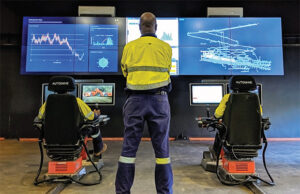
The Automation That Had to Be Scrapped: Resolute Mining, Syama, Mali
Special Report: Automated Haulage Systems and the Future of Mining The Automation That Had to Be Scrapped: Resolute Mining, Syama, Mali Back to Report Home In 2018, engineers from Sandvik and Resolute Mining stood over blueprints for a new underground gold mine in southern Mali and made a decision few ...

How Zambia Became the Testing Ground for Mining’s Biggest Battery
Special Report: Automated Haulage Systems and the Future of Mining How Zambia Became the Testing Ground for Mining's Biggest Battery Back to Report Home On April 16, 2026, at First Quantum Minerals' Kansanshi copper and gold mine in Zambia's North Western Province, a truck the size of a house rolled ...
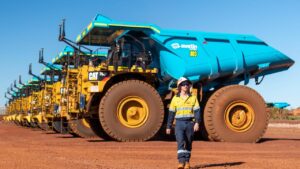
How Rio Tinto Grew a Mine’s Output Without Building a Second Mine
Special Report: Automated Haulage Systems and the Future of Mining How Rio Tinto Grew a Mine’s Output Without Building a Second Mine Back to Report Home Most mines add automation gradually, layering it onto infrastructure and workflows that were never designed for it. Gudai-Darri, which Rio Tinto brought into production ...