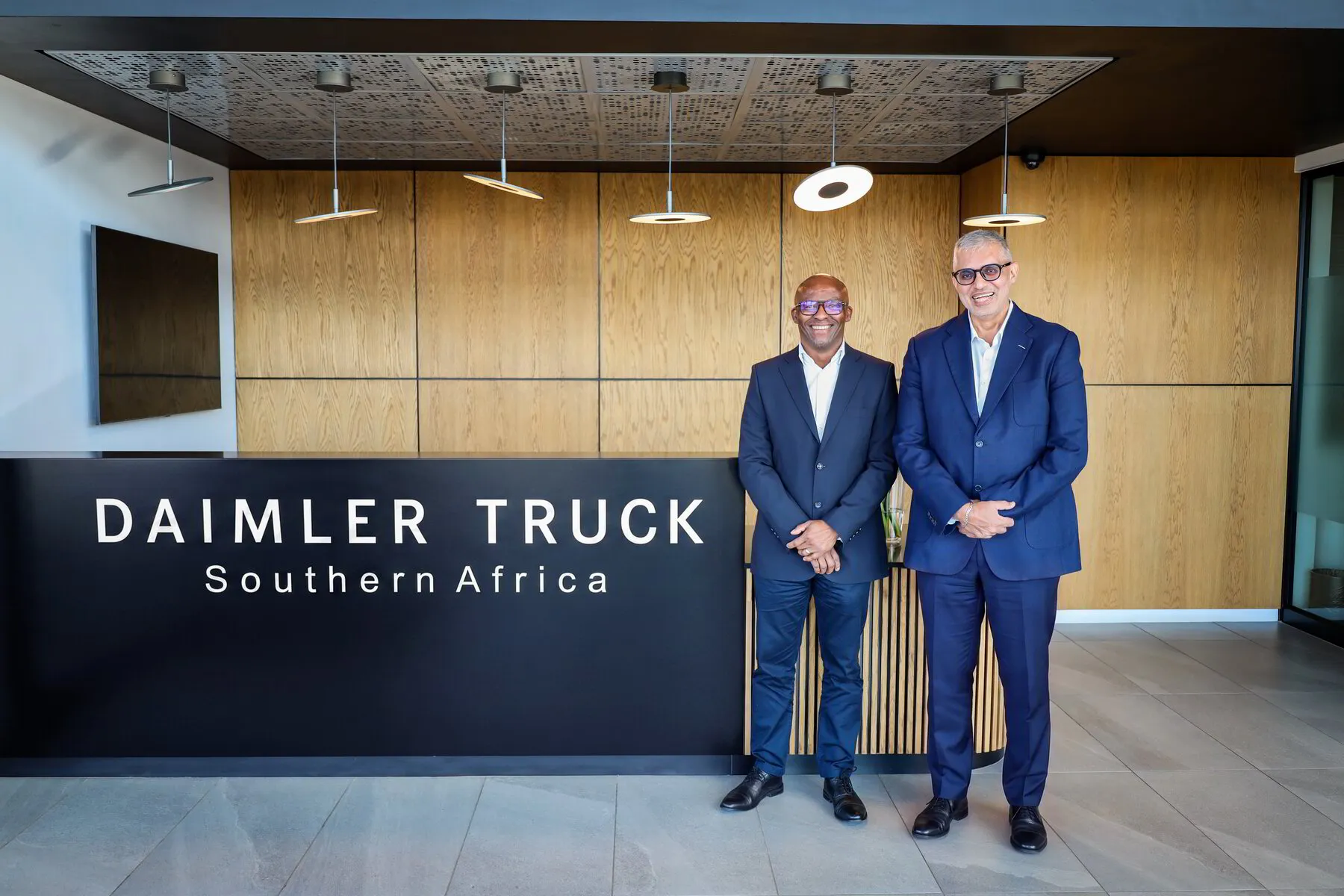





Adil Popat is the Executive Chairman of Simba Corporation, and one of the most influential figures in Kenya’s automotive and hospitality sectors. His career has been defined by a long, steady transition from operational management inside a family-founded motor business to the strategic leadership of a diversified conglomerate operating across East Africa.
 He formally took over executive leadership in 2007 after years within the business, and later assumed the role of Executive Chairman in 2017. By that point, he was already responsible for reshaping the organization’s direction, moving it away from a narrow focus on vehicle importation and distribution toward a broader structure built around assembly, services, hospitality, and long-term investments.
The business he inherited traces back to 1948, when his father, Abdul Karim Popat, started trading used vehicles in Nairobi. A defining moment came in 1968 with the securing of the Mitsubishi franchise in Kenya, which became the anchor of the group’s automotive identity for decades and positioned it as one of the earliest formal vehicle distributors in the country.
Adil Popat’s leadership marked a shift in how that legacy was managed. Instead of treating automotive distribution as a standalone trade, he restructured it into a lifecycle business. The focus moved toward aftersales service, parts supply, fleet support, and maintenance systems, reflecting the realities of a market where margins on new vehicle sales were tightening and operating conditions were increasingly shaped by exchange rate pressure and import regulation.
Over time, his approach expanded into multi-brand automotive relationships. The business has, at different points, worked with manufacturers including Mitsubishi, BMW, Renault, Mahindra, FUSO, and other commercial and industrial equipment brands. Rather than relying on a single franchise, the strategy under his leadership has been to maintain flexibility across passenger, commercial, and industrial vehicle segments.
A major structural move under his direction has been deeper involvement in vehicle assembly through Associated Vehicle Assemblers in Mombasa. This platform has allowed for local assembly of multiple vehicle types, reducing reliance on imports while creating space for partnerships with global manufacturers seeking entry into the East African market. It has also become a foundation for early participation in electric vehicle assembly programmes.
In parallel, he expanded the group’s presence in hospitality, developing a portfolio that includes Villa Rosa Kempinski in Nairobi, Olare Mara Kempinski in the Maasai Mara, and Acacia Premier in Kisumu. These investments positioned the business within Kenya’s premium tourism and business travel market, adding a stable, service-driven revenue stream that operates independently of automotive cycles. Villa Rosa Kempinski, in particular, has become a landmark property in Nairobi’s luxury hospitality segment and one of the group’s most visible assets.
More recently, Adil Popat has overseen entry into electric mobility, including a reported investment of approximately 7.7 million US dollars into an electric vehicle assembly line in Mombasa. The initiative reflects a broader repositioning toward new mobility technologies, with assembly operations already handling electric buses, vans, tuk-tuks, and passenger vehicles for different partners. Early deployments in the Kenyan market, including institutional fleet supply, have marked the beginning of a shift from combustion engine dominance toward electrified transport systems.
His leadership approach has been consistent across these transitions. Rather than pursuing rapid expansion into unrelated sectors, the focus has been on strengthening existing capabilities and extending them into adjacent areas. Automotive distribution evolved into assembly and lifecycle services. Industrial operations were structured around long-term partnerships rather than transactional sales. Hospitality was positioned as a parallel business with its own operating logic but integrated at the portfolio level.
The result is a business career defined less by disruption and more by restructuring. Adil Popat’s contribution has been to take a legacy motor trading enterprise and reposition it for a market where value is increasingly created in service, infrastructure, and long-term customer relationships rather than in one-time transactions.
Today, his leadership reflects a clear trajectory: from vehicle importer and distributor to architect of a diversified operating platform spanning mobility, industrial services, and hospitality, with increasing exposure to electric mobility and local manufacturing capacity.