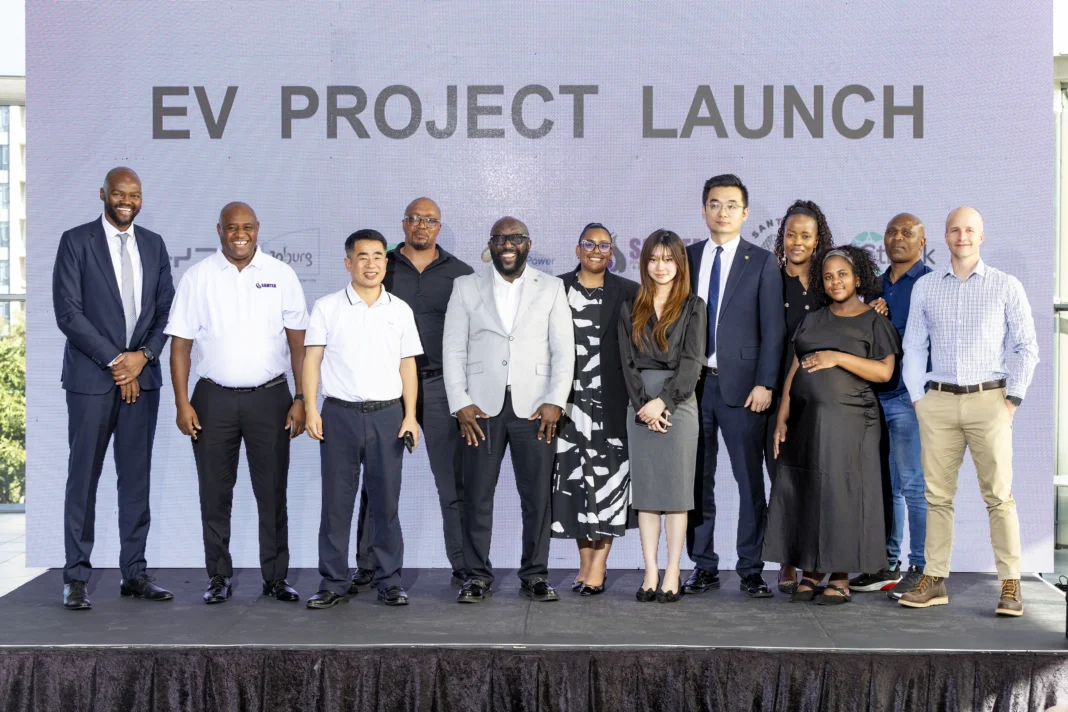
South Africa’s organized taxi industry has entered the electric ride-hailing market through a partnership involving the South African National Taxi Council (SANTACO), its affiliate the South African Meter Taxi and E-Hailing Association (SAMTEA), Chinese electric vehicle manufacturer BYD and mobility platform Bolt.
The initiative introduces an initial fleet of 10 BYD Dolphin Surf electric vehicles in Johannesburg, with SAMTEA taking responsibility for vehicle ownership and fleet management, while Bolt provides access to passengers through its digital ride-hailing platform. Fleet management technology company Ctrack is also participating in the arrangement.
The partnership represents a significant development in South Africa’s passenger transport industry, bringing an established taxi association into the ownership and operation of electric vehicles serving the app-based mobility market. It also marks a shift in relations between traditional taxi organizations and e-hailing companies, which have historically competed over passengers, operating licences and market access.
The initial vehicles have been deployed in Sandton and surrounding areas, including routes serving OR Tambo International Airport and parts of eastern Johannesburg.
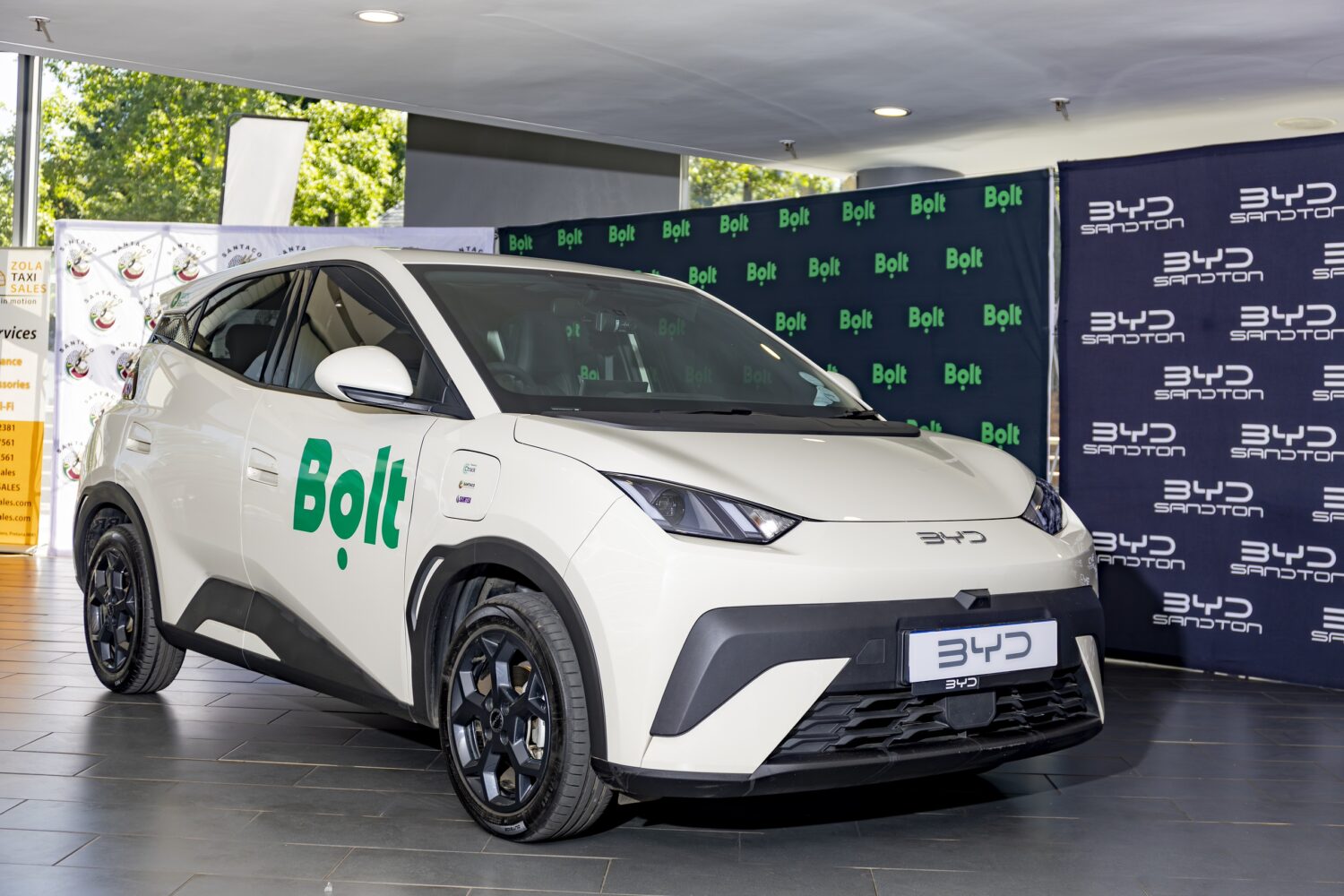
SANTACO President Abnar Tsebe has endorsed the initiative, identifying opportunities for the taxi industry to participate in electric vehicle charging infrastructure at ranks, depots and other transport facilities. The association’s involvement extends the discussion beyond vehicle electrification to the ownership of infrastructure and related commercial activities.
SAMTEA Chairperson Sibongiseni Shange has similarly advocated greater cooperation between traditional metered taxi operators and digital mobility platforms, arguing that the industry must adapt to changing technologies and passenger expectations.
SANTACO national spokesperson Rebecca Phala has linked the initiative to the rising cost of fuel and the financial pressures confronting passenger transport operators. Electric vehicles offer an alternative to conventional petrol-powered fleets, although their commercial viability will depend on acquisition costs, charging infrastructure, financing and operational utilization.
Advocate Nobuhle Mazolo, representing SAMTEA, has emphasized the importance of ensuring that taxi operators participate in the economic opportunities associated with electrification, including vehicle ownership, charging infrastructure, maintenance and skills development.
Bolt South Africa General Manager Graham Walker said the Johannesburg launch demonstrated how established taxi organizations, electric vehicle manufacturers and mobility platforms could cooperate to develop cleaner and more commercially sustainable passenger transport.
Bolt has set a target of 500 electric vehicles operating across South Africa by December 2026. The target covers its broader national operations, including Cape Town, where the company introduced its electric vehicle category earlier in the year. It does not represent the number of vehicles already deployed in Johannesburg.
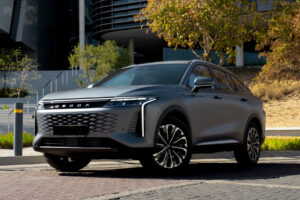
The Johannesburg fleet uses BYD Dolphin Surf electric hatchbacks, which entered the South African market in September 2025. The model was launched with a starting retail price of R339,900 (approximately US$20,580), although BYD’s current advertised starting price is R341,900 (approximately US$20,700). The actual acquisition price paid by SAMTEA has not been disclosed.
Bolt has indicated that fares for the electric category are slightly higher than those charged under its standard ride-hailing service. The company has not disclosed the current number of electric vehicles operating nationally.
The commercial structure of the Johannesburg operation is particularly significant because SAMTEA will own and manage the vehicles, rather than leaving individual drivers to purchase or rent electric cars independently. This creates opportunities for centralized vehicle procurement, maintenance, charging arrangements and fleet utilization, while giving the association a direct commercial interest in the electric mobility market.
However, the partners have not disclosed the financing structure, vehicle acquisition terms, charging infrastructure investment or total capital committed to the initial operation.
The arrangement also creates a potential platform for expanding electric mobility into other segments of South Africa’s passenger transport industry. SAMTEA has identified electric minibus taxis and participation in charging infrastructure as longer-term opportunities, although no confirmed orders or deployment timetable for electric minibuses have been announced.
Bolt’s Johannesburg expansion follows a decade of operations in South Africa, during which the company says it has contributed R3 billion (approximately US$181.65 million) to the country’s economy. The figure represents Bolt’s stated economic contribution over the period and should not be confused with capital invested in the new electric fleet.
The partnership places SAMTEA alongside BYD and Bolt in an emerging commercial arrangement in which established passenger transport associations participate directly in electric fleet ownership.