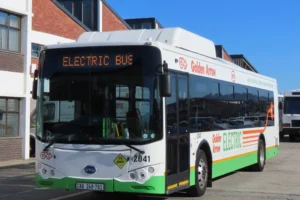
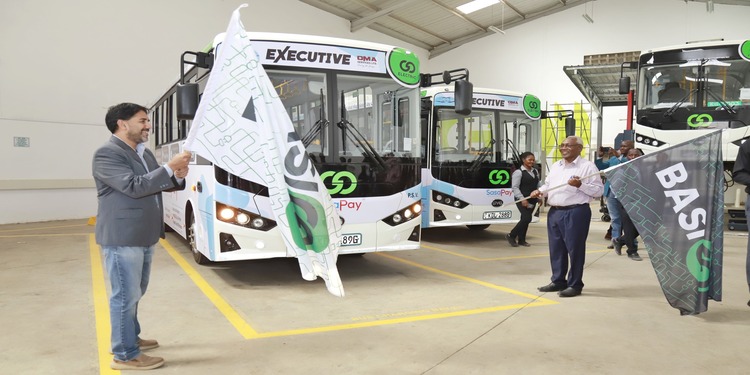
Nairobi’s public transport sector is undergoing a quiet transformation. On streets long dominated by loud, diesel-powered matatus, sleek electric buses are increasingly taking over daily commuter routes. Leading this transition is OMA Services a Nairobi-based public service vehicle operator that has expanded its all-electric fleet to 21 BasiGo buses, demonstrating that clean transit is commercially viable in East Africa.
Spearheading this fleet transition is OMA Services Chairperson and CEO George Muriithi Githinji, who has guided the company’s steady replacement of internal combustion engines with zero-emission vehicles. Operating along major commuter corridors—including the busy route connecting Kariobangi South to Nairobi’s Central Business District—OMA Services has moved rapidly from running a dozen electric buses in mid-2025 to 21 units today. Under Githinji’S leadership, the operator has followed a deliberate strategy of retiring one diesel bus for every electric vehicle acquired, moving closer to its target of a 30-bus all-electric fleet.
For Nairobi matatu operators, the shift to electric vehicles is driven as much by the bottom line as by environmental goals. OMA Services reported strong operational performance across its growing electric fleet, with buses consistently achieving daily operating ranges of 190 to 230 kilometers. This mileage comfortably covers a full day of stop-and-go urban commuter service without requiring midday top-ups.
When the workday ends, the vehicles rely on high-speed depot charging infrastructure. The buses complete a full recharge in roughly two hours overnight, ensuring the entire fleet is ready for the morning rush hour. Equally significant is the reduction in overhead expenses. Unlike traditional diesel buses that require monthly oil changes and frequent replacements of mechanical parts like bearings, electric buses rely primarily on routine checks for tires, brakes, and wheel greasing. Paired with Kenya’s national electricity grid—which derives over 90 percent of its power from renewable sources like geothermal, hydro, and wind—operators are insulated from volatile global diesel prices while sharply cutting routine maintenance costs.
The rapid scaling of operators like OMA Services has been made possible largely by BasiGo’s Pay-As-You-Drive financing model. Historically, the high upfront purchase price of electric buses prevented local transport Savings and Credit Cooperative Societies (SACCOs) from adopting the technology.
Founded in 2021 by CEO Jit Bhattacharya and CFO Jonathan Green, and led locally by Kenya Managing Director Moses Nderitu, Nairobi-based e-mobility firm BasiGo bypassed this barrier by allowing operators to acquire electric buses for an upfront cost comparable to a standard diesel bus. Operators then pay a per-kilometer subscription fee that bundles vehicle leasing, overnight charging, and full preventative maintenance. This model removes the technical risk of battery degradation and charging logistics from the transport operators, letting them focus strictly on passenger service and route management.
The expansion of OMA Services’ fleet reflects a wider surge in Kenya’s e-mobility ecosystem. BasiGo now has more than 150 electric buses operating across Kenya and Rwanda, with hundreds more reserved by local transport operators. To meet this demand, BasiGo has partnered with Kenyan manufacturers such as Associated Vehicle Assemblers (AVA) in Mombasa and Kenya Vehicle Manufacturers (KVM) in Thika to assemble electric buses locally from knocked-down kits, integrating locally fabricated components like seats, flooring, and glass.
Beyond improving profit margins for operators and creating local assembly jobs, the transition delivers immediate benefits to Nairobi residents. Each diesel matatu taken off the road eliminates roughly 50 metric tons of carbon dioxide emissions annually, while reducing toxic exhaust fumes and urban noise pollution. For daily commuters, the shift means a quieter, smoother, and cashless ride—signaling that Nairobi’s public transit future is firmly electric.