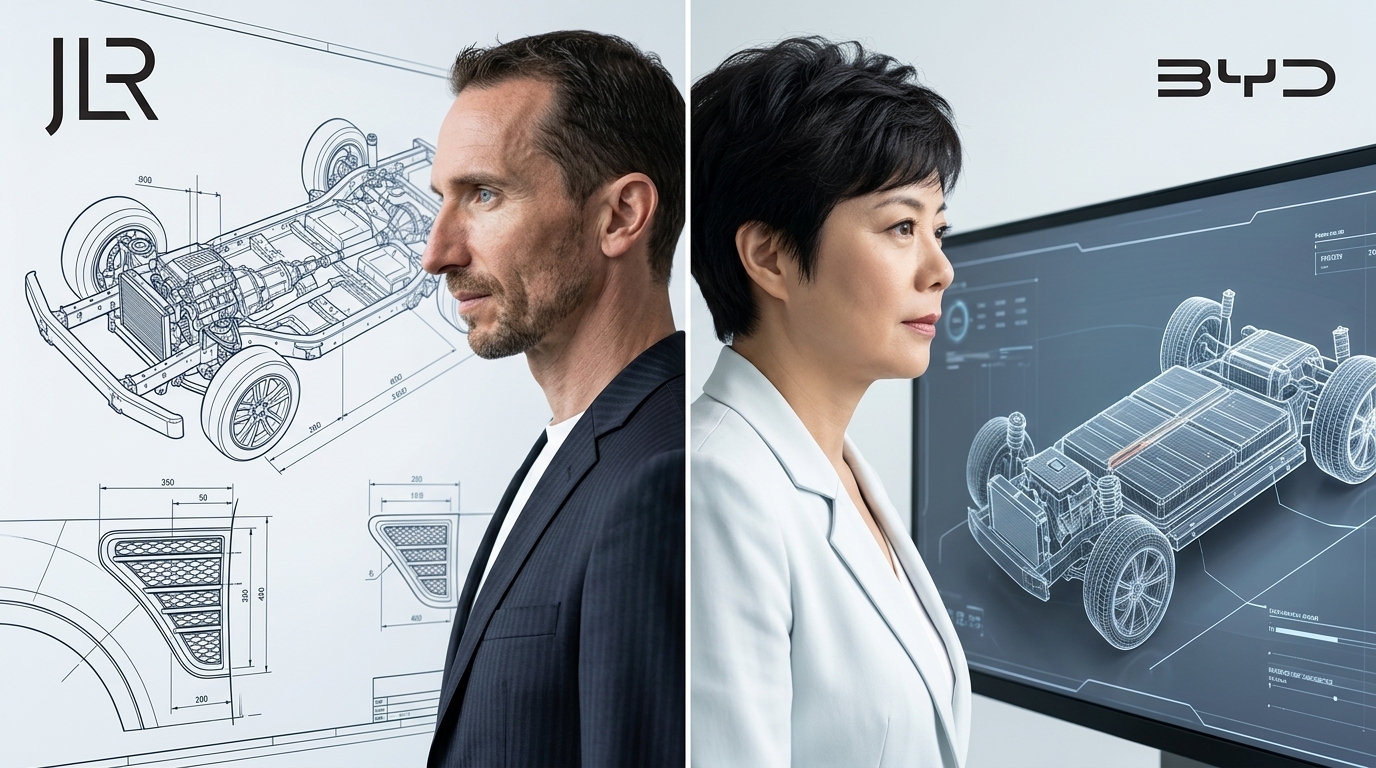
JLR has officially escalated European intellectual property law against BYD, initiating dramatic, court-ordered bailiff raids on two of the Chinese automotive giant’s Netherlands offices. The surprise legal blitz in Schiedam and Hoofddorp resulted in the seizure of a massive trove of digital records. The highly unusual, preemptive raid aimed to freeze and secure critical data before it could be modified or destroyed. The legal teams are now heading into a crucial, immediate preliminary hearing in The Hague on Wednesday, November 11, which will decide whether BYD has a formal case to answer and which parts of the seized evidence JLR can legally use to construct a broader market blockade.
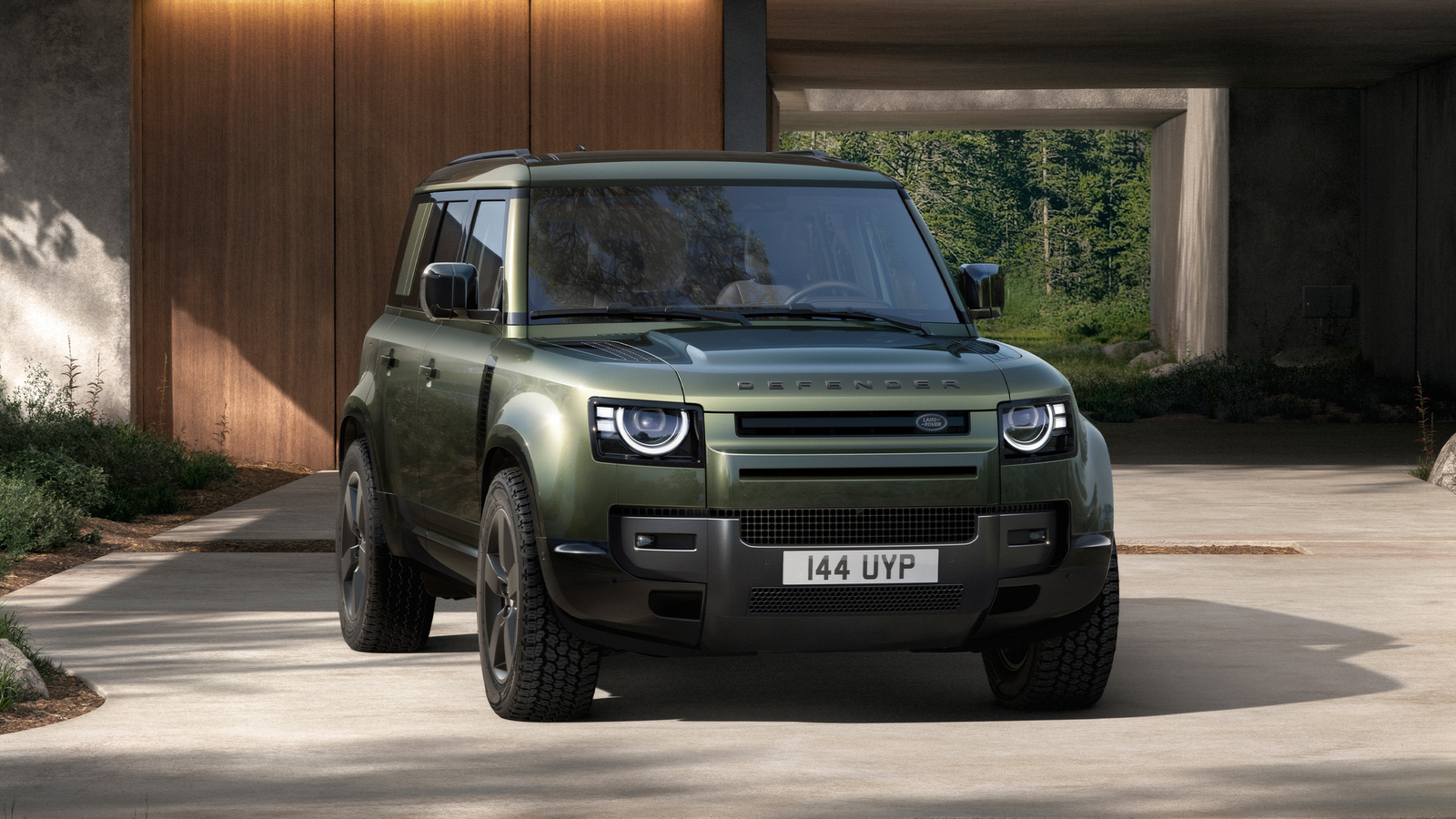
At the center of JLR’s crusade is the preservation of its crown jewel and most profitable vehicle line, the Land Rover Defender. JLR contends that BYD’s upcoming seven-seat plug-in hybrid SUV, the BYD Ti7 (sold domestically under its rugged Fangchengbao sub-brand), is not merely a visual look-alike. JLR’s internal legal stance alleges that BYD acquired and completely stripped down a physical Land Rover Defender to reverse-engineer its proprietary technology and architecture.
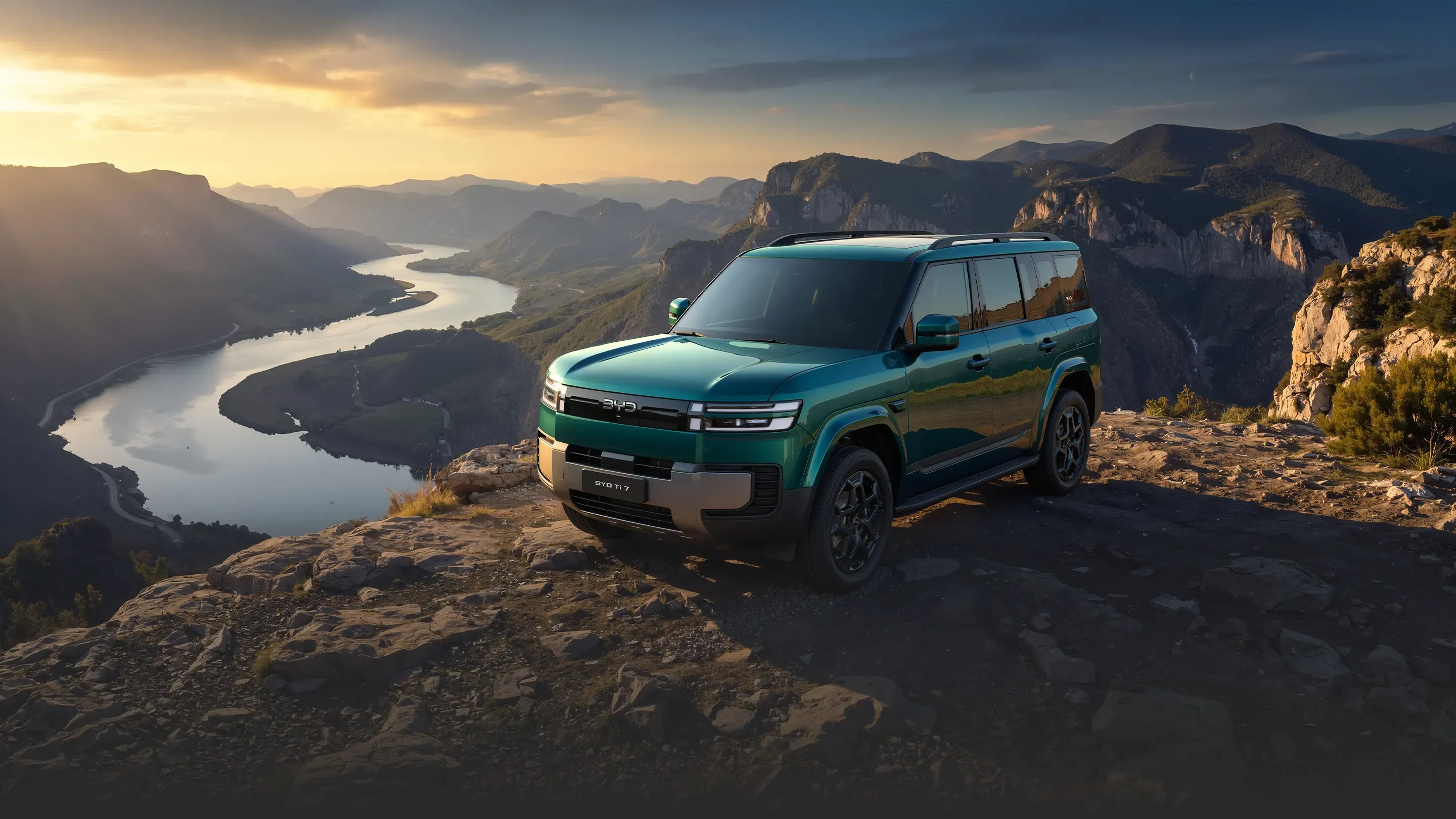
Automotive analysts have long noted a striking aesthetic parallel between the two models—characterized by flat bonnets, a boxy profile, floating rooflines, and upright rear pillars. However, this lawsuit bypasses subjective artistic overlap to target structural tech imitation. While both companies officially declined to comment on the active litigation, executive tension has boiled over.
Only weeks prior to the public exposure of the raid, Range Rover boss Martin Limpert stated publicly that JLR does not appreciate seeing its luxury designs copied by Chinese brands. Behind the scenes, JLR’s legal advisors claimed that BYD deployed unprecedented delaying and stonewalling tactics to obstruct the process. Conversely, BYD’s legal representatives fought back intensely in pre-trial briefings, condemning the operation as a broad, invasive “fishing expedition” and claiming that “too many files were taken”.

The commercial urgency driving JLR’s high-risk litigation becomes evident when reviewing the market data. The Land Rover Defender is JLR’s critical volume and margin anchor, but European legacy manufacturers are facing a severe pricing squeeze. The BYD model is scheduled to begin customer deliveries in Europe and the UK in January. It enters the market loaded with premium tech specifications, including an 18-speaker audio setup, an onboard refrigerator, massive triple-zone climate control screens, and a hybrid powertrain that vastly outperforms its Western competitors on pure-electric range.
The corporate growth trajectories explain JLR’s rapid legal escalation. JLR’s third-quarter flagship Range Rover sales dropped globally to 43,300 vehicles, down from 47,196 over the same period last year. Meanwhile, BYD is experiencing explosive growth, establishing itself as the world’s largest electric vehicle manufacturer.
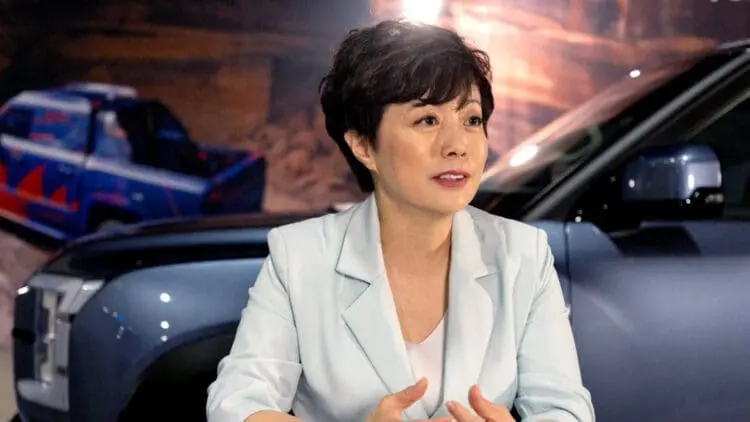
The company recently crossed a massive 19 million New Energy Vehicle (NEV) production milestone, selling an all-time monthly record of 490,168 NEVs in October alone—marking an 11% domestic increase while its global exports surged by 102.8%. In the UK and Europe, BYD’s regional footprint has scaled by 80% over the last year, with the brand capturing more than 5% of the total British automotive market.
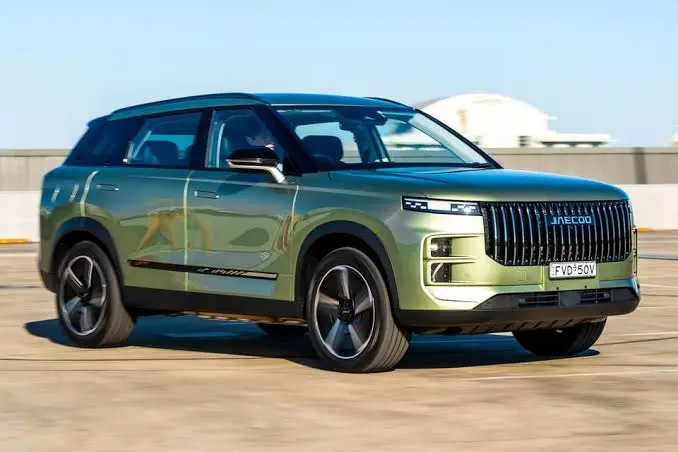
Compounding the problem for JLR is the parallel rise of Chery’s Jaecoo 7. Colloquially dubbed by industry commentators as the “Temu Range Rover,” the Jaecoo 7 undercuts JLR by £10,000. The Jaecoo 7 shocked the industry by becoming a massive hit in the UK, recording 10,813 registrations in October alone to double its British market share from 2.07% to 4.30%. JLR’s ultimate courtroom objective in The Hague is to secure a sweeping injunction to bar the Ti7 from entering the European market entirely.
However, the wheels of international law turn slowly, and JLR admits that this complex case will not reach a final structural ruling before the Ti7 officially goes on sale in January. While JLR is deploying such aggressive, scorched-earth legal tactics against BYD, it is necessary to analyze the landmark 2019 legal playbook they engineered in China. For decades, Western automakers considered it impossible to win a vehicle copyright case in Chinese courts. JLR completely rewrote that script in a grueling three-year battle against Jiangling Motor Corporation’s blatant Range Rover Evoque clone, the Landwind X7.
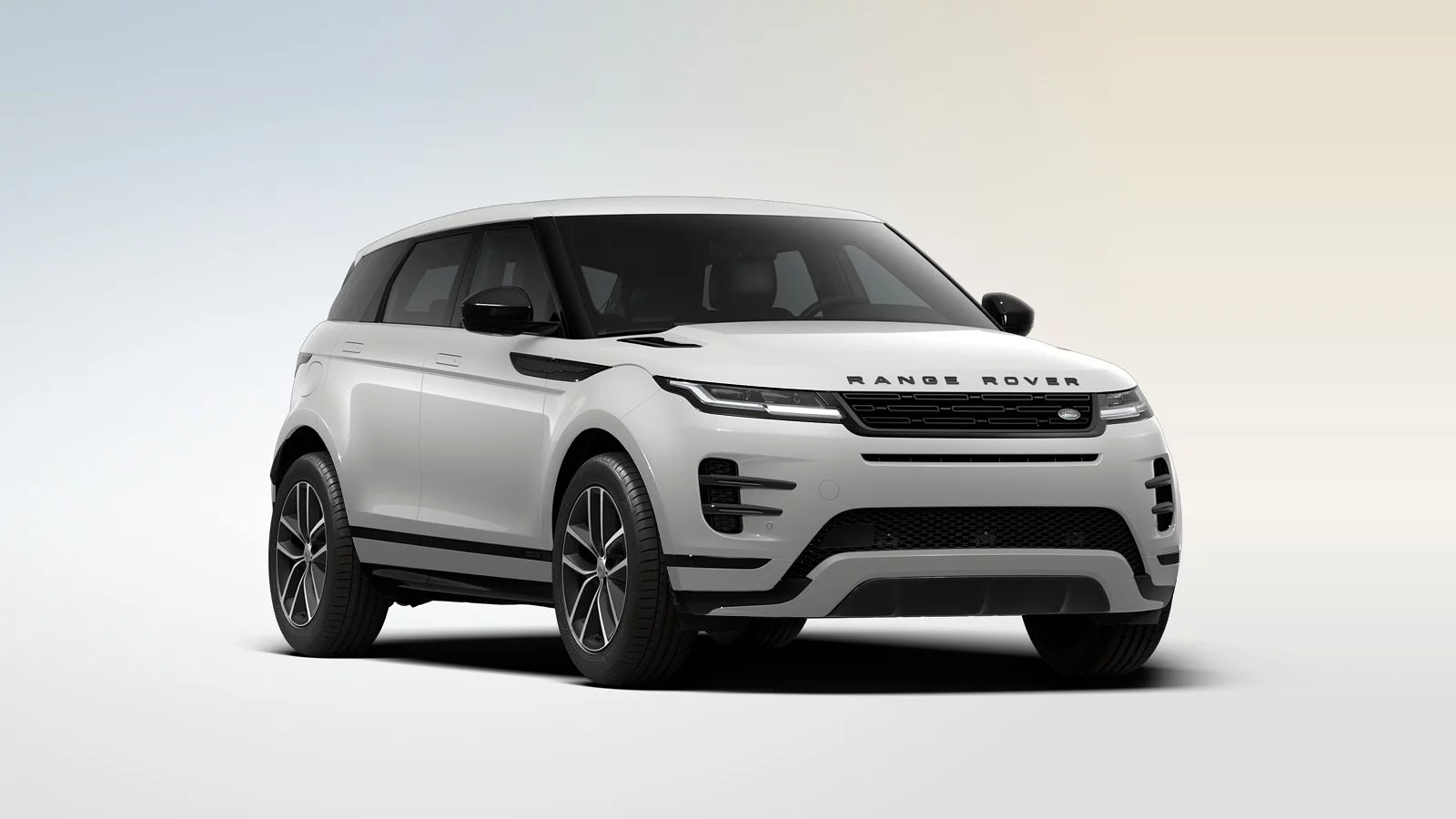
When JLR first filed suit against Jiangling, Chinese patent authorities unexpectedly invalidated JLR’s design patent for the Range Rover Evoque because the brand had publicly exhibited the car at a 2010 auto show before filing, destroying its technical “novelty.” Pivoting immediately, JLR’s legal team abandoned standard patent law and instead weaponized China’s Anti-Unfair Competition Law (AUCL). Rather than arguing about blueprints, JLR successfully argued that the clone was actively destroying their commercial reputation and tricking the public.
JLR won that case by meticulously isolating the “Five Unique Features” of the Evoque—mapping out the tapering roofline, the sweeping window lines, the side character panels, the bonnet styling, and the taillight placement. They combined this with real consumer forum data showing that buyers were purchasing the cheap Landwind X7 and buying aftermarket Land Rover badges to clip onto the grille. On March 13, 2019, a Beijing court handed JLR a historic victory, forcing Jiangling to immediately cease all manufacturing, marketing, and sales of the vehicle, while ordering them to pay financial damages and issue a public apology.
The BYD lawsuit represents the evolution of that 2019 playbook. JLR learned that waiting for a car to hit the market and proving “consumer confusion” takes years, allowing a competitor to freely steal market share in the interim. By executing aggressive corporate bailiff raids in the Netherlands before the Ti7 ever rolls off the transport ships, they are shifting from defense to offense. JLR is no longer relying on visual overlap; they are using seized digital files to prove systematic corporate reverse-engineering, attempting to drop a legal guillotine on BYD’s luxury off-road expansion before it can take root in Europe.
While JLR fights BYD in court, the situation highlights a profound industry irony: Western auto’s deep, inescapable dependence on Chinese manufacturing infrastructure. JLR maintains a highly collaborative relationship with Chery, recently striking a deal to revive the historic Freelander brand as a collaborative electric vehicle line built directly on Chery’s EV architecture.
This creates a delicate “frenemy” dynamic where JLR relies on one Chinese giant for its future EV platforms while using bailiffs to raid the offices of another. Whether JLR can prove explicit corporate theft or if BYD successfully dismisses the evidence as a legal overreach, this confrontation will set a massive precedent for the future of global automotive design and industrial property protection.