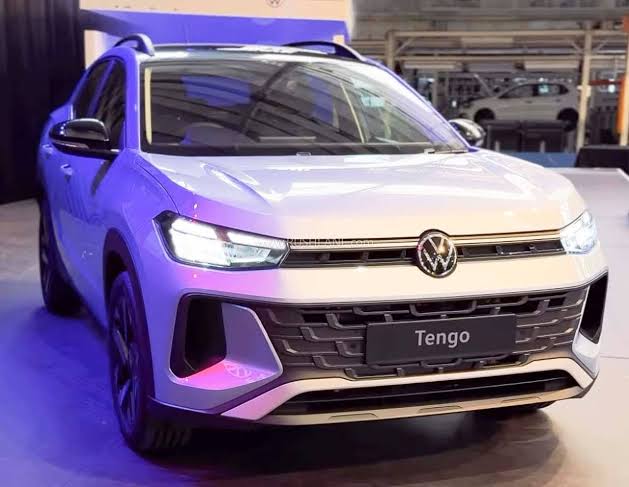
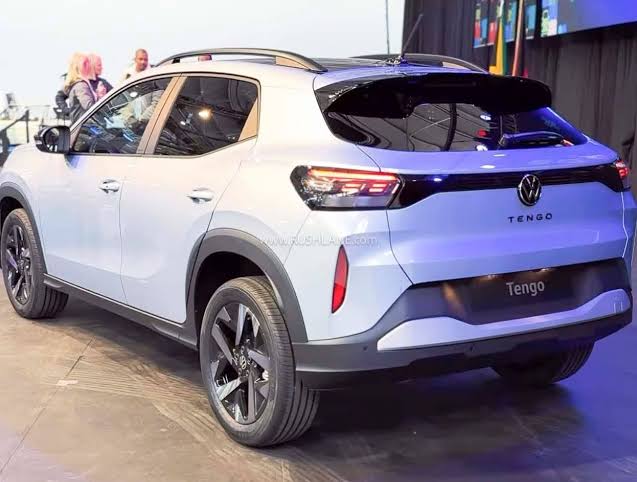
Volkswagen Group Africa (VWGA) has officially launched full-scale production of the petrol-only Tengo compact sport utility vehicle at its Kariega plant in South Africa, marking a calculated bet on internal combustion engines to defend its sub-Saharan market share against rapidly advancing Chinese rivals.
The first customer-bound Tengo rolled off the assembly line in the Eastern Cape on November 9, 2026, twelve weeks ahead of schedule and ahead of an early 2027 commercial rollout. The launch comes at a pivotal moment for South Africa’s automotive sector. According to recent data from the Automotive Business Council (naamsa), South African New Energy Vehicle (NEV) sales surged 34% during the first nine months of 2026 to reach 22,389 units, already surpassing the full-year 2025 total of 16,703 units. While conventional hybrids and plug-in hybrids have fueled that expansion, Volkswagen is banking on the reality that more than 95% of the broader South African market—and the vast majority of sub-Saharan export territories—still relies on petrol and diesel due to high vehicle costs, import tariffs, and limited charging infrastructure.
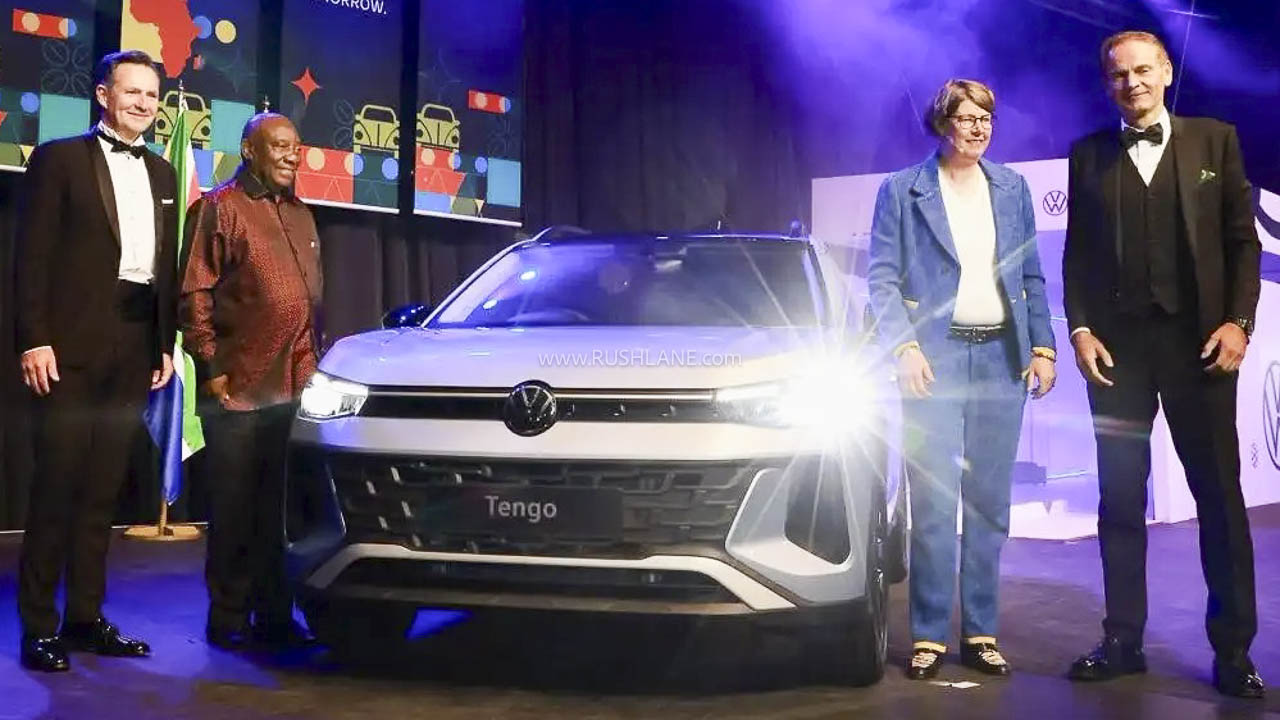
Speaking after the production start, Volkswagen Passenger Cars CEO Thomas Schäfer praised the Kariega workforce for delivering the vehicle ahead of schedule. Schäfer, who previously led Volkswagen’s South African operations before rising to lead the global passenger brand, had unveiled the vehicle alongside Volkswagen Group CEO Oliver Blume and South African President Cyril Ramaphosa during the plant’s 75th-anniversary celebrations on August 31, 2026. At that event, Schäfer described the project as proof that Volkswagen remains committed to Kariega for the next 75 years.
The Tengo represents the culmination of a R4 billion ($241 million) capital investment first announced in 2024 under former VWGA Chairperson and Managing Director Martina Biene. Biene spearheaded the facility’s upgrades and regional strategy before departing in October 2026 to join Škoda Auto as its board member for sales and marketing. Her successor, newly appointed VWGA Chairperson and Managing Director Christiane Zorn, oversaw the transition to full series production. Zorn hailed the milestone as a testament to the capabilities of the local workforce, suppliers, and dealership network, emphasizing the vehicle’s identity as a product built in Africa for African consumers.
Final operational sign-off for the assembly line followed an end-of-October quality and manufacturing inspection by senior global executives, including Volkswagen Brand Board Member for Production and Logistics Dr. Christian Vollmer, Head of Production for the Southern Hemisphere Region Miguel Sanches, and Executive Director for Corporate Quality in the Southern Hemisphere Thomas Mehringer. VWGA Director for Production and Logistics Marc Stephan credited plant employees for executing the complex retooling alongside existing Polo and Polo Vivo hatchback lines, marking the first new nameplate added to Kariega since 2010 and the first SUV built there in its 75-year history.
Developed in close collaboration with Volkswagen do Brasil and adapted into a right-hand-drive configuration from the Brazilian Tera, the Tengo was engineered specifically for African road and fuel conditions. Riding on the MQB A0 platform, the compact SUV features a 1.0-liter TSI petrol engine recalibrated for lower-octane regional fuel grades, alongside reinforced suspension, brakes, exhaust systems, and rear axles. Roughly 45% of its components are sourced from South African suppliers—well above the 38% industry average—and it shares 75% of its parts with the locally built Polo, allowing Volkswagen to keep manufacturing and maintenance costs low.
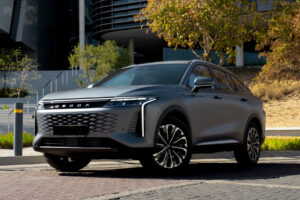
This localized, combustion-only strategy is designed to counter an aggressive wave of Chinese automakers—led by Chery, GWM, and Jetour—that have steadily eroded legacy market share across southern Africa with competitively priced compact SUVs and hybrid offerings. By anchoring the Tengo in local assembly, qualifying for South African automotive production incentives, and tapping into an established sub-Saharan service and parts network, Volkswagen aims to protect one of its most reliable regional strongholds at a time when the German automaker is navigating severe restructuring pressures and declining sales in China.