Nigeria · Alternative Fuels
HBM Nigeria Commissions CNG Station Capable of Fuelling 150 Trucks Daily
HBM Nigeria Plc has commissioned a compressed natural gas station at its Mfamosing cement plant in Cross River State, expanding fuel supply for its transport partners and targeting lower logistics costs. The first phase can serve up to 150 trucks a day, with a second phase planned to increase capacity to approximately 250 trucks daily in October 2026.
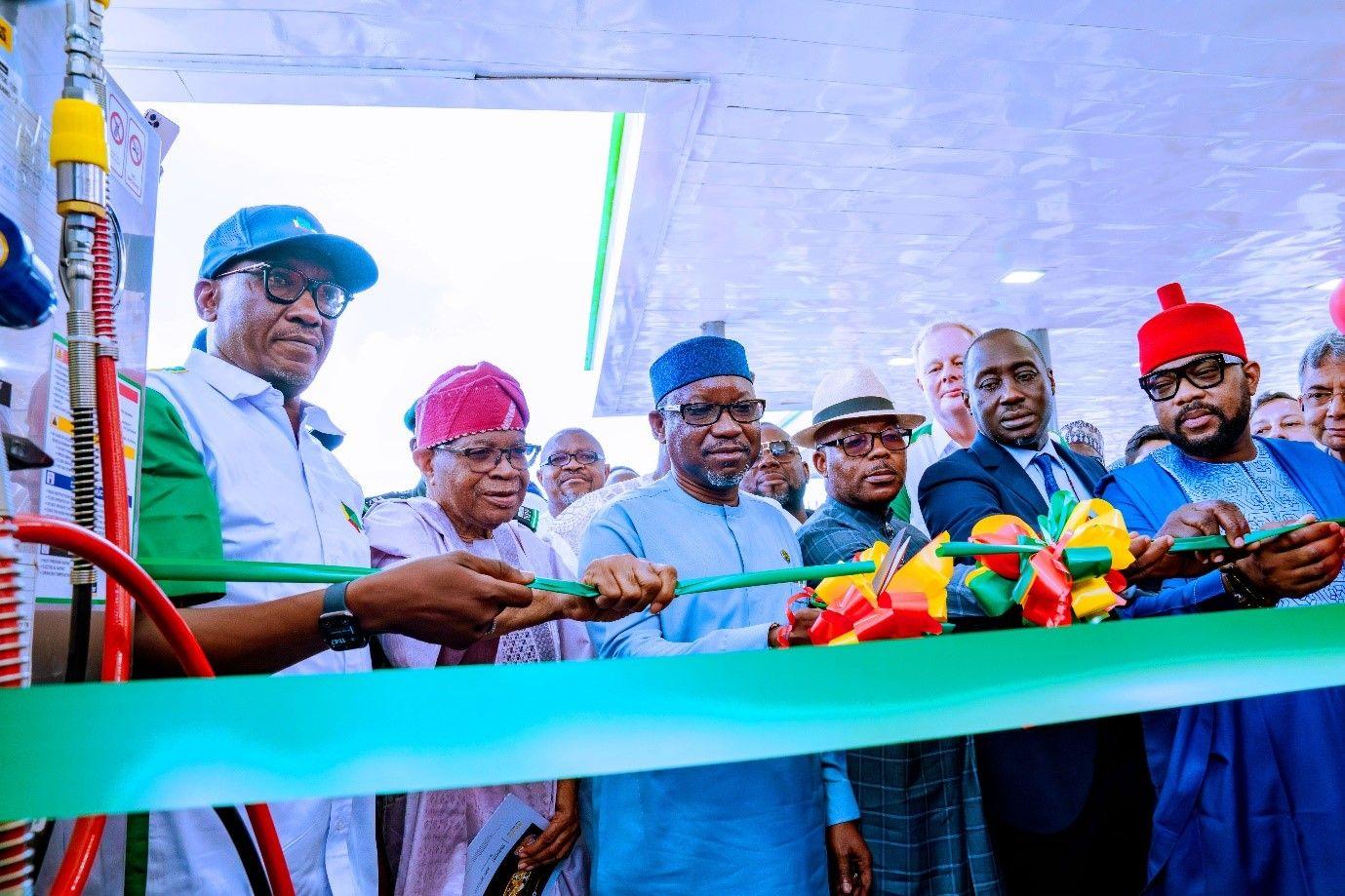
HBM Nigeria Plc has commissioned a compressed natural gas station at its Mfamosing cement plant in Cross River State, expanding fuel supply for its transport partners and targeting lower logistics costs. The first phase can serve up to 150 trucks a day, with a second phase planned to increase capacity to approximately 250 trucks daily in October 2026.
The facility was inaugurated on 31 August at Mfamosing in Akamkpa Local Government Area. HBM Nigeria, formerly Lafarge Africa Plc and now part of China’s Huaxin Building Materials Group, operates cement manufacturing facilities in Ogun, Gombe and Cross River states, alongside ready-mix operations in Lagos, Abuja and Port Harcourt.
The new CNG mother station has an installed capacity of 144,000 standard cubic metres per day. It is equipped with two pumps and four dispensing points and is designed for 24-hour operation. Unlike daughter stations that depend on gas delivered by road in mobile storage units, the Mfamosing facility receives gas directly from a pipeline.
A pipeline-fed CNG mother station
Lolu Alade-Akinyemi, Group Managing Director and Chief Executive Officer of HBM Nigeria, said the investment was intended to address two of the company’s major operating expenses: energy and logistics. He described the station as part of the company’s wider effort to improve efficiency while increasing the use of alternative fuels.
“Energy and logistics remain significant cost drivers for the company and its value chain,” Alade-Akinyemi said at the commissioning. He added that greater CNG use would support more cost-effective operations and align with the Federal Government’s policy of encouraging cleaner energy alternatives.
The station also forms part of HBM’s expansion following its change of ownership and corporate identity. Alade-Akinyemi said the company’s new name, ownership and growth ambitions were being translated into operational investments. He described the commissioning as a visible demonstration of the direction in which the business was moving.
Transporters are the primary users
HBM’s Logistics Director, Osaze Aghatise, said the company had used CNG in its logistics operations for nine years, but the new infrastructure represented a substantial increase in scale. The first phase is designed to serve 150 trucks daily, while the planned October expansion would raise that figure to approximately 250.
Aghatise said the investment was intended to shorten refuelling queues, reduce truck waiting times and improve vehicle availability. For a cement manufacturer dependent on heavy road transport, these factors affect the number of trips a vehicle can complete and the reliability of deliveries to customers.
The project’s importance to transport contractors was emphasized by Emmanuel Usiakpor, Managing Director and Chief Executive Officer of Joza Global Logistics. He said the facility was designed primarily to serve transporters working with HBM rather than the cement company’s own vehicles.
“This project is actually a transporter project,” Usiakpor said. He explained that HBM’s approach to working with its logistics partners had enabled the investment and would provide them with a more reliable operating environment.
Lower waiting times and fuel-supply costs
Usiakpor said transporters had previously waited between 10 and 15 days for CNG supplies, with gas commonly transported from Port Harcourt, the nearest mother-station location available to them. The long-distance movement of gas skids increased supply costs and created delays for trucks waiting to refuel.
With the Mfamosing station connected directly to the pipeline, Usiakpor said the cost of CNG could fall by more than 50% compared with the previous supply arrangement. He also pointed to a refuelling demonstration in which a truck was filled in 15 minutes, compared with more than an hour under the previous process.
Those figures describe the experience and expectations of a transport operator at the commissioning, rather than independently audited fleet-wide savings. Actual cost reductions will depend on gas pricing, vehicle consumption, utilization and the extent to which transporters can replace diesel with CNG on their routes.
Supporting a larger cement distribution network
The investment comes as HBM prepares to expand cement production at Mfamosing. Alade-Akinyemi said the plant currently produces five million metric tonnes annually and is expected to add a three-million-tonne production line. He also referred to planned capacity additions at Ashaka and Sagamu, which the company expects to bring its total installed Nigerian capacity to approximately 17 million tonnes by December.
Higher cement output will place additional demands on the company’s distribution network, making fuel availability and truck turnaround important operational considerations. The CNG station is intended to support that growth while reducing the cost of moving finished products.
Cross River State Commissioner for Information and Orientation, Pastor Ekpeyong Ene Cobhams, attended the commissioning on behalf of the state government. He commended HBM for the investment and said the government remained committed to creating an environment in which industrial investors could operate and expand.
Cobhams said the project reflected the importance of efficiency in the choice of energy sources used to deliver goods and services. He also acknowledged HBM’s corporate social responsibility activities and its contribution to the state’s industrial economy.
HBM said the facility would create opportunities for transporters, contractors, customers and host communities. Alade-Akinyemi linked the company’s wider expansion program to employment, skills development and community initiatives around its Nigerian operations.
What it means for heavy-vehicle operations
For the Nigerian heavy-vehicle market, the project adds a large, dedicated refuelling asset at an industrial site where truck demand is concentrated. Its immediate effect is expected to be felt by cement transporters serving Mfamosing, while the planned second phase would increase daily fuelling capacity by approximately 100 trucks.
The company has not disclosed the capital cost of the station, the number of CNG-powered trucks currently operating in its logistics network, or the vehicle manufacturers and models used by its transport partners. The announced capacity refers to the number of trucks the station can serve each day, not a new vehicle order or fleet delivery.