
Ethiopia has launched an ambitious push to secure nearly $11 billion in concessional financing from international development partners to expand its national electricity grid. The funding drive is designed to close a critical gap in domestic power distribution as the country’s electric vehicle (EV) fleet surges past 120,000 vehicles on the road toward a 2030 target of half a million.
The financing request anchors the third National Electrification Programme (NEP 3.0), unveiled by the Ministry of Water and Energy following 18 months of consultations. Under its higher-investment scenario, the decade-long blueprint requires $18.1 billion to achieve universal electricity access by 2035. The government expects the World Bank and other international partners to cover roughly 61 percent of the cost.
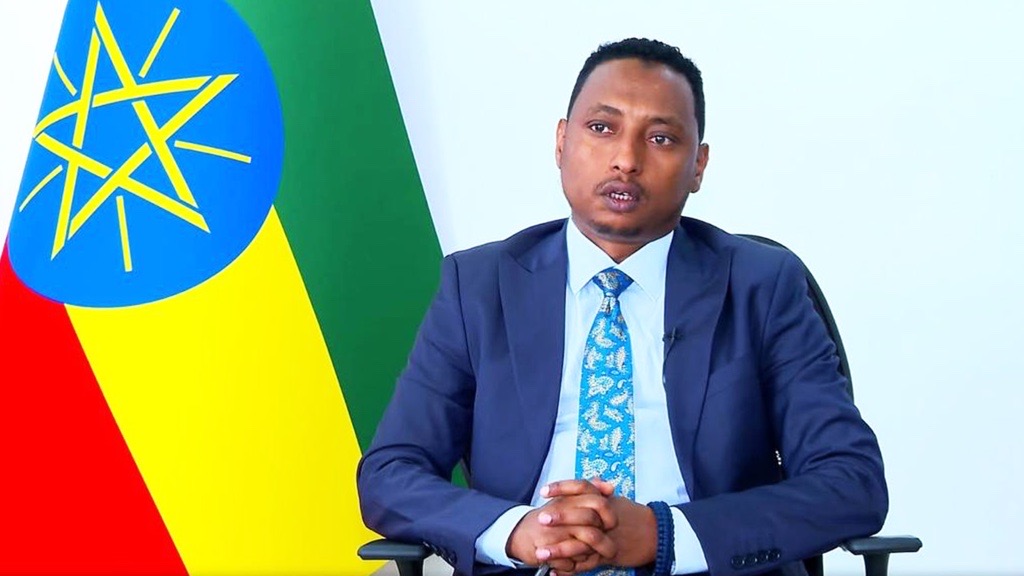
Mesfin Dabi, Executive Officer for Electrification and Energy Information at the Ministry of Water and Energy, noted that the programme targets connecting approximately 32.5 million households. Roughly 28.1 million households will link directly to the national grid, while 4.4 million rural homes will receive power via off-grid solar installations and mini-grids.
The grid expansion addresses a striking energy paradox in East Africa. Powered by massive hydropower facilities—most notably the 5,150-megawatt Grand Ethiopian Renaissance Dam (GERD)—Ethiopia generates over 90 percent of its electricity from renewable sources and exports surplus power to Kenya, Djibouti, and Sudan. However, weak last-mile distribution infrastructure leaves more than half of Ethiopia’s population without reliable power.
Strengthening that domestic grid is essential to sustaining Ethiopia’s rapid transition away from fossil fuels. Following its landmark 2024 ban on internal combustion engine (ICE) vehicle imports—a move aimed at curbing an annual $4 billion fuel import bill—Ethiopia’s EV market has expanded faster than almost any other in Africa. Fleet numbers have climbed from roughly 7,000 units in 2022–2023 to more than 120,000.
To ensure the grid can handle growing transport demand, the Ministry of Transport and Logistics is rolling out its National E-Mobility Strategy and Implementation Plan (2025–2030). The roadmap aims to put 500,000 EVs on Ethiopian roads by 2030, supported by tax exemptions and customs incentives that have already attracted 17 local assembly plants.
State Minister of Transport and Logistics Bareo Hassen confirmed that the government is targeting the construction of 2,230 fast EV charging stations nationwide to support the transition. Addis Ababa alone requires 1,176 charging points, while state-owned utility and telecom operators—including the Ethiopian Electric Utility (EEU) and Ethio Telecom—are extending fast-charging corridors to regional hubs like Adama and along the vital Ethio–Djibouti trade route.
By pairing its $11 billion distribution overhaul with aggressive e-mobility policies, Addis Ababa aims to turn its surplus hydropower into both universal household access and a continental blueprint for clean transportation.