South Africa · Public Transport Electrification
Johannesburg puts electric buses through real-world fleet trials
The City’s 30–60 day programme will test battery-electric buses on Metrobus and Rea Vaya routes, with operating data intended to inform future fleet recapitalisation decisions.
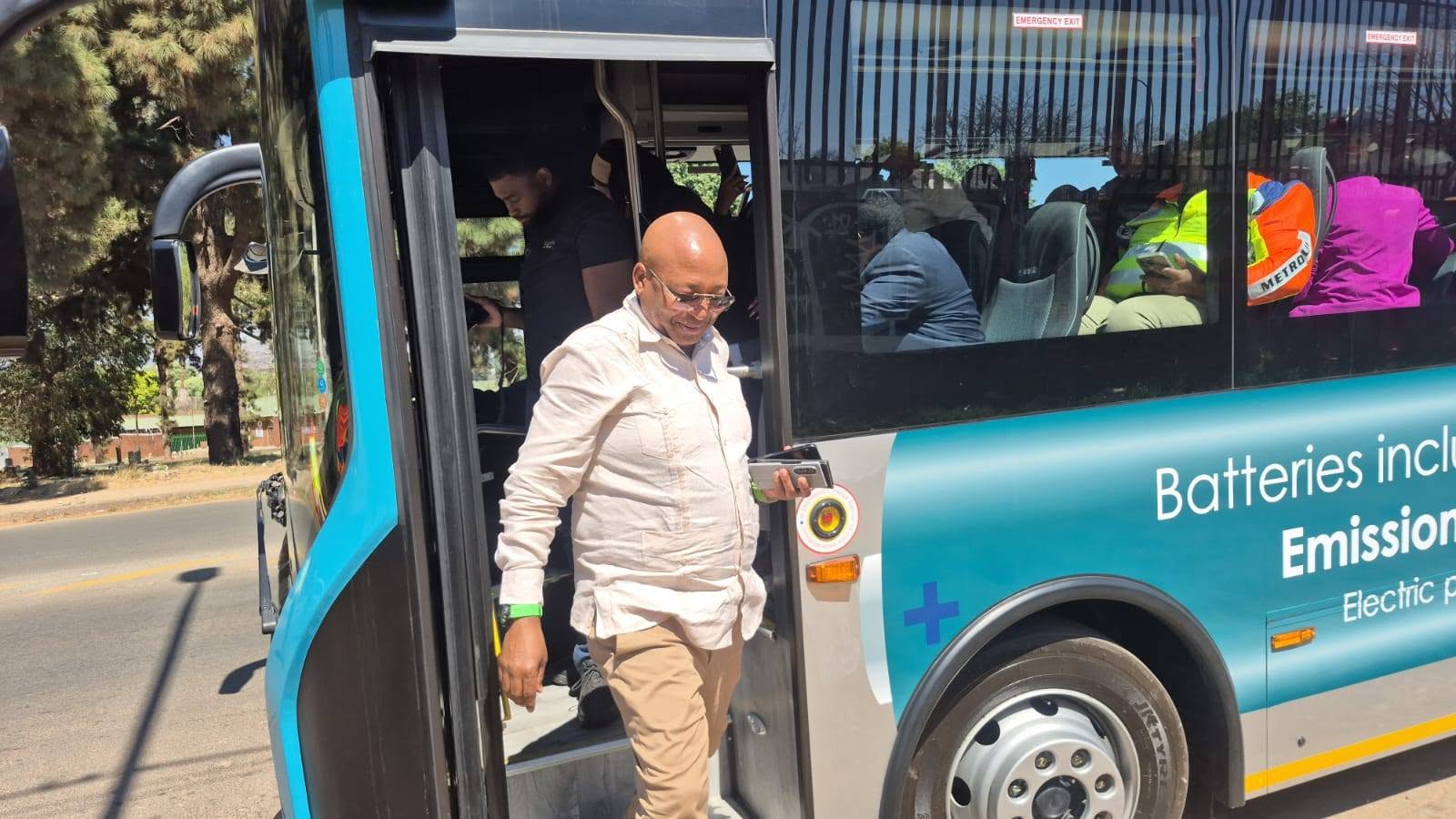
JOHANNESBURG, South Africa — The City of Johannesburg has launched an electric-bus technology trial designed to establish whether battery-electric vehicles can meet the operational, financial and passenger-service requirements of its public transport network.
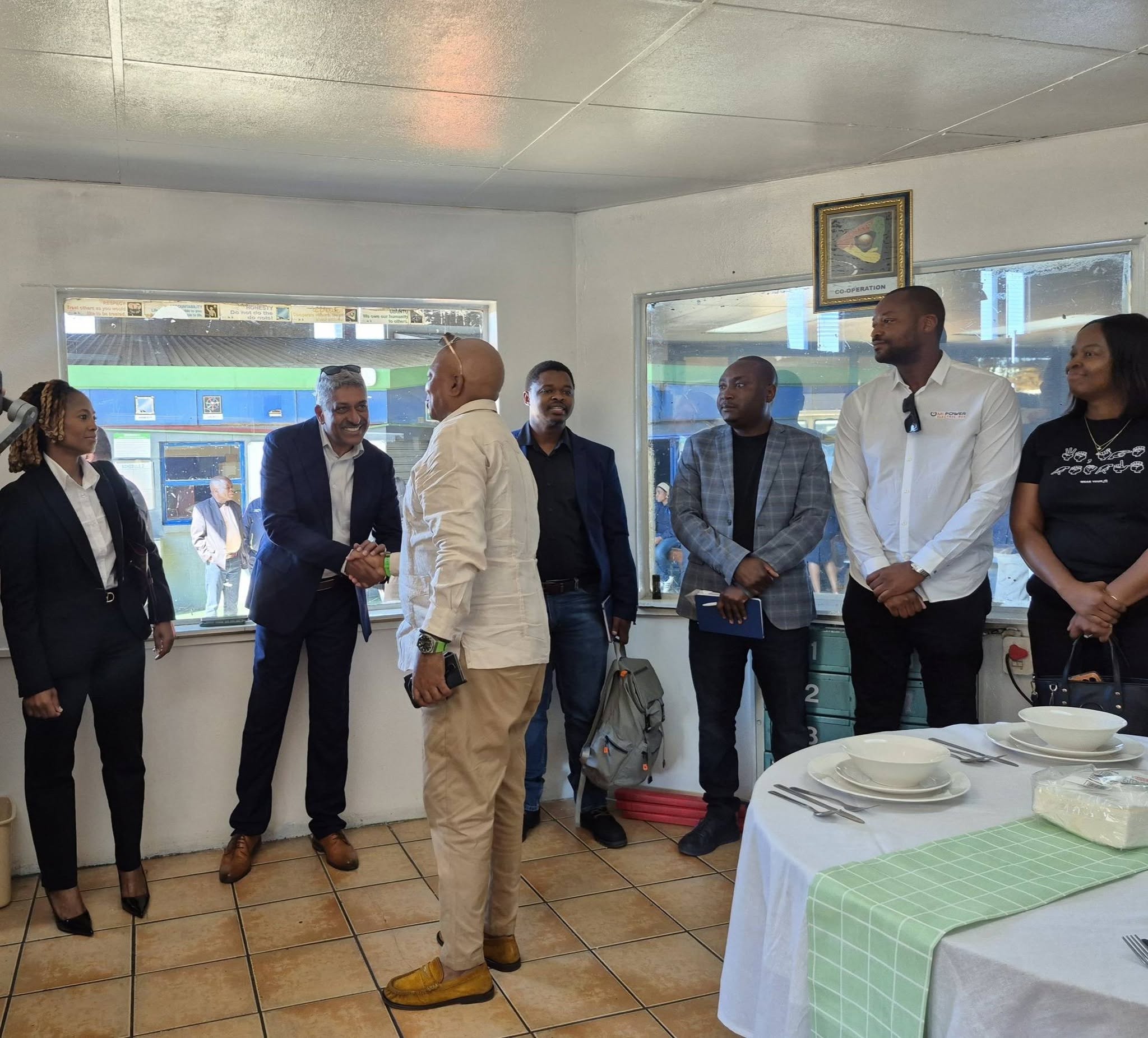
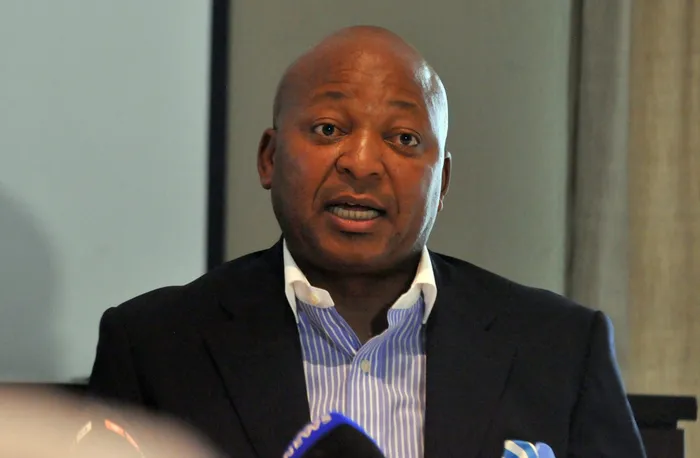
The programme was launched on 3 September 2026 at the Metrobus Milpark Depot in Braamfontein. It is being led by Transport Member of the Mayoral Committee Kenny Kunene, in partnership with C40 Cities, the International Council on Clean Transportation (ICCT) and participating original equipment manufacturers. The trial is scheduled to run for 30 to 60 days across September and October.
Unlike a demonstration confined to a depot or controlled test route, the buses will operate alongside the existing fleet on selected Metrobus corridors and Rea Vaya Bus Rapid Transit Phase 1C(a) services. The objective is to generate evidence on how electric buses perform under Johannesburg’s actual traffic, passenger and operating conditions before the City makes longer-term fleet decisions.
Testing the economics of electric public transport
The trial will assess battery-electric technology, energy consumption, fleet reliability, maintenance requirements, energy storage and battery performance. It will also examine life-cycle costs, including the relationship between vehicle availability, charging requirements and the cost of operating the buses over time.
The City intends to evaluate intelligent transport systems, including real-time passenger information, driver monitoring and safety technologies. Passenger experience will form part of the assessment, with attention to accessibility, comfort, safety, noise and emissions.
All trial buses are to be integrated into Metrobus’s Fleet Management System, Control Centre and Automatic Vehicle Location system. Performance data will be independently verified by the City’s Performance Management Unit against approved technical information definitions.
“This pilot is a strategic intervention to ensure that future fleet recapitalisation decisions are evidence-based, not speculative. Johannesburg cannot continue to buy buses the old way.”
Kenny Kunene, Transport Member of the Mayoral Committee, City of Johannesburg
The approach reflects a wider challenge facing African public transport authorities: the need to compare electric buses with conventional vehicles using actual duty cycles and operating costs rather than relying solely on manufacturer specifications. Energy consumption on congested routes, battery performance, maintenance downtime and charging availability will all influence whether the technology can deliver the required service at an acceptable cost.
Metrobus and Rea Vaya provide the operating environment
The trial will cover high-demand Metrobus corridors serving Soweto, Sandton, the Johannesburg CBD and Roodepoort. It will also include the Rea Vaya Phase 1C(a) corridor, which connects communities and commercial areas including Berea, Yeoville, Orange Grove, Norwood, Alexandra, Marlboro and Sandton.
The buses will operate alongside the existing fleet to maintain commuter services during the evaluation. This arrangement allows the City to compare performance under normal operating conditions while assessing how electric vehicles can be integrated into established scheduling, dispatch and fleet-management systems.
Lutando Maboza, Executive Director of the City’s Transport Department, described the programme as part of the implementation of Johannesburg’s Strategic Integrated Transport Plan.
“By partnering Metrobus as our municipal operator and with global OEMs, we are creating a living laboratory on our own streets.”
Lutando Maboza, Executive Director, City of Johannesburg Transport Department
Maboza said the City would be testing cleaner propulsion, intelligent transport systems and safer operations in real conditions.
Metrobus, as the municipal bus operator, is the implementation platform for the programme. Rea Vaya provides the BRT operating environment, while the City’s Transport Department is responsible for the broader policy and fleet-planning objectives.
International partners and participating manufacturers
The programme is supported by C40 Cities and the ICCT through the Zero Emission Bus Rapid-deployment Accelerator (ZEBRA) partnership. The initiative assists cities in developing the technical and commercial evidence required to accelerate zero-emission bus deployment.
Johannesburg’s earlier expression of interest invited electric-bus manufacturers to provide vehicles and charging infrastructure on a cost-neutral basis to the City. Under that arrangement, participating organisations were expected to cover the costs of vehicle provision, logistics, maintenance and charging infrastructure. The City also indicated that aggregated pilot results would be made publicly available to support policy development and the sharing of operational lessons.
The official launch announcement refers to leading OEMs in South Africa but does not publish a complete list of participating manufacturers or disclose the number of buses. Subsequent reporting by Daily Sun stated that eight electric buses were unveiled for the pilot, although the City’s primary announcement does not independently confirm that figure.
An EKA Mobility-branded electric bus was among the vehicles displayed at the launch. EKA Mobility is an Indian electric commercial-vehicle manufacturer producing battery-electric buses and trucks. The City has not yet published the exact EKA model used in the Johannesburg trial or a complete roster of all participating OEMs.
From demonstration to possible procurement
The trial follows a formal council process. In October 2025, Johannesburg’s council approved an electric-bus operational demonstration programme for Metrobus and Rea Vaya and authorised the Transport Department to enter into arrangements with C40 Cities to solicit participating manufacturers and charging-infrastructure providers.
Separately, Metrobus has advertised procurement processes for the manufacture, supply and delivery of electric buses, including maintenance and charging infrastructure. A re-advertised tender for single-deck electric buses and associated infrastructure closed in August 2026. The existence of that procurement process does not establish that a contract has been awarded or that any particular manufacturer is supplying the September trial vehicles.
The City has not announced a confirmed fleet purchase arising from the trial, nor has it published a final procurement quantity, contract value or deployment timetable. The immediate significance of the programme is the operating evidence it is expected to produce.
For Johannesburg, the results could help determine the appropriate bus specifications, charging arrangements, maintenance support and financial model for future fleet renewal. For manufacturers and infrastructure providers, the trial offers an opportunity to demonstrate their technology under demanding urban conditions.
The programme also supports the City’s Green Transport and Climate Action agenda, with officials identifying potential benefits in emissions reduction, local skills development, job creation and technology transfer. Those outcomes will depend on the results of the evaluation and the scale of any subsequent deployment.
The decisive test will be whether electric buses can deliver reliable passenger service while meeting Johannesburg’s operational and life-cycle cost requirements. The 30–60 day trial is intended to provide the evidence for that decision, rather than serve as a substitute for it.