Algeria has commissioned a new automotive plastics factory in Tissemsilt with capacity to supply components for as many as 200,000 vehicles a year, adding a domestic component-manufacturing layer to an automotive industry that is moving from basic vehicle assembly towards higher levels of local production.
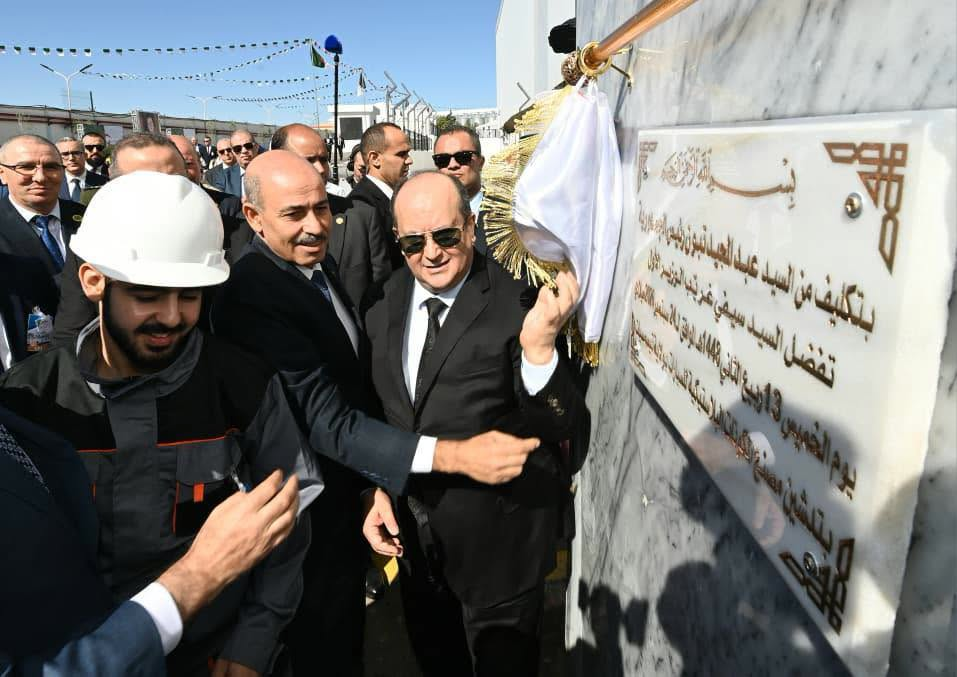
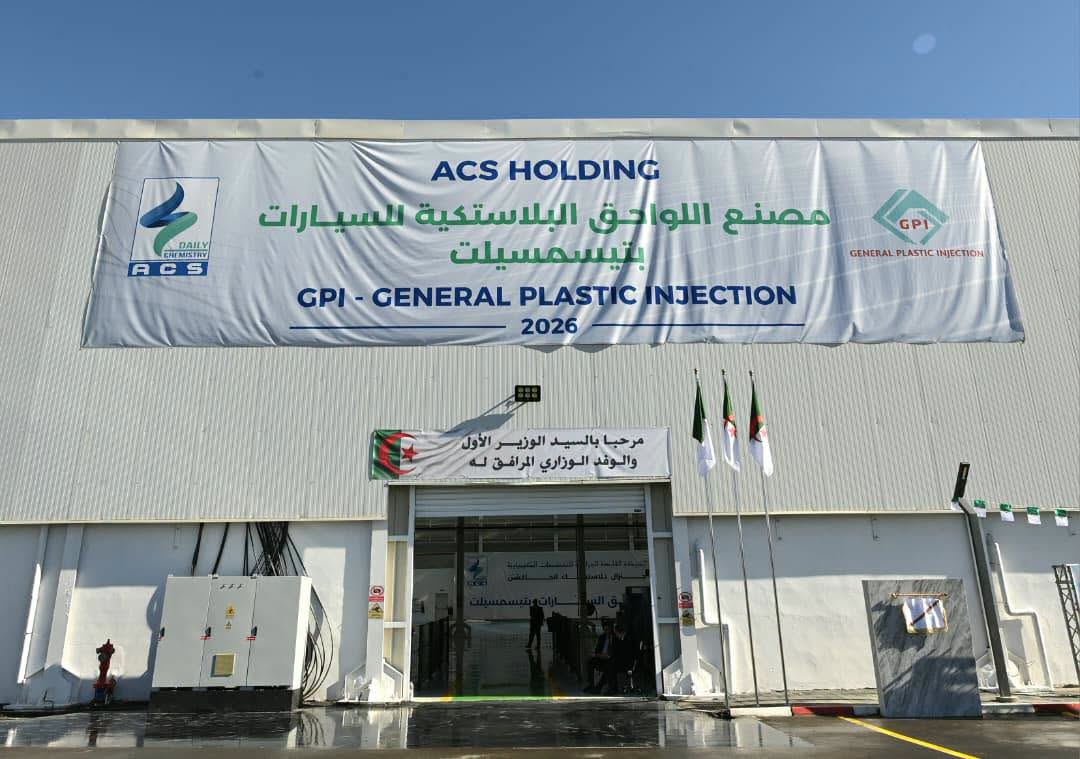
Prime Minister Sifi Ghrieb inaugurated the General Plastic Injection plant at Khemisti in Tissemsilt in September 2026. The facility belongs to the state-owned Algeria Chemical Specialities holding company and was developed from an industrial asset recovered by the state following judicial confiscation. The site had previously belonged to the Cima Motors group associated with businessman Mahieddine Tahkout.
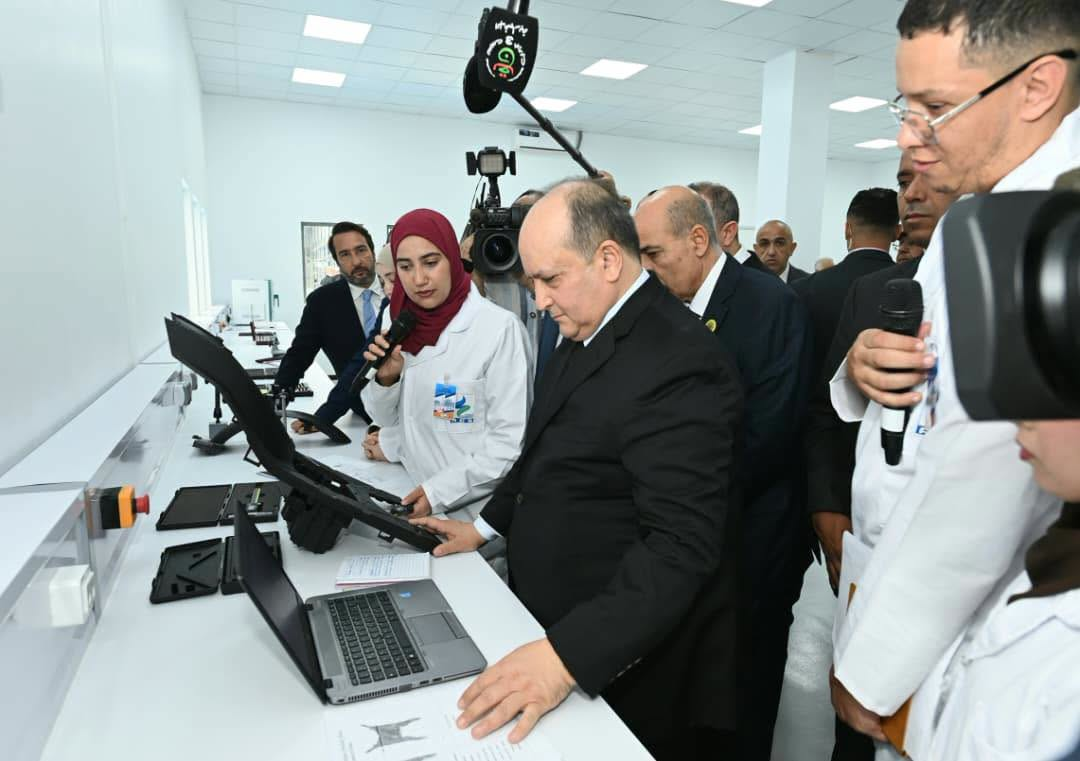
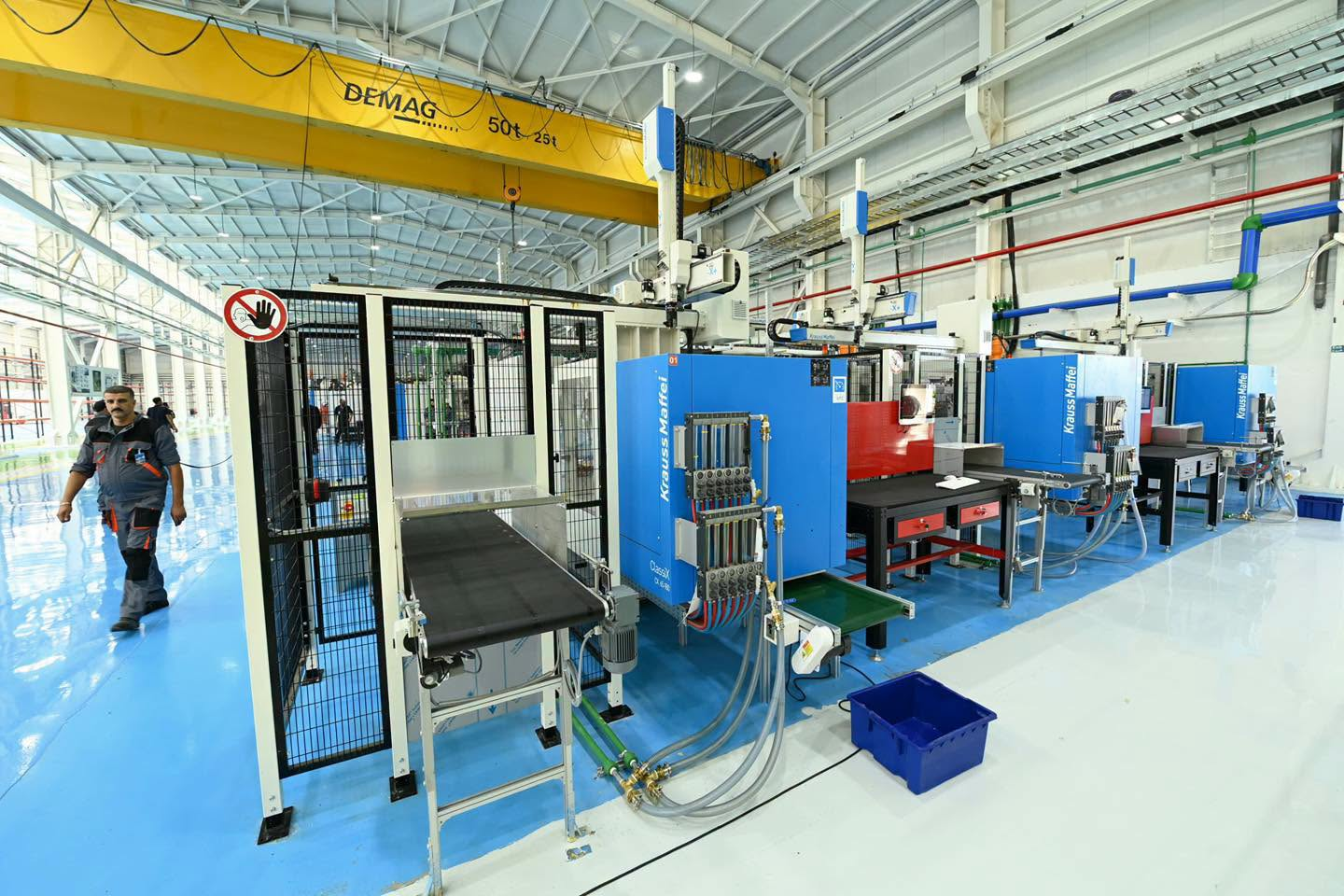
The factory has been brought into operation following a rehabilitation programme that began in April. Investment in the project is estimated at DZD5 billion. It is equipped with 14 injection-moulding machines and is capable of producing about 12,500 different types and references of plastic components of varying dimensions. Its planned output is 251,000 parts annually, with officials estimating that the facility can serve the requirements of between 150,000 and 200,000 vehicles.
Those numbers place Tissemsilt within an automotive manufacturing base that is now beginning to acquire enough vehicle volume to support specialized component suppliers.
Stellantis’ Fiat plant at Tafraoui, near Oran, produced 17,000 vehicles in 2024 and 53,000 in 2025. The manufacturer is targeting 90,000 vehicles in 2026 and announced in April that it is expanding the factory towards annual capacity of 135,000 vehicles by 2028. The expansion includes additional welding and assembly capacity and a new paint shop.
The General Plastic Injection plant’s potential market of up to 200,000 vehicles therefore exceeds Fiat’s current Algerian production programme alone, leaving capacity for additional manufacturers as Algeria’s automotive licensing and manufacturing programme develops.
More important is the type of production involved. Plastic injection moulding feeds a large number of components into a modern vehicle, including interior trim, dashboards and console elements, housings, ventilation components, covers, clips and numerous structural and finishing parts. Establishing moulding capacity locally allows manufacturers to replace imported finished components with domestically produced parts while developing tooling, quality-control and supplier capabilities around vehicle plants.
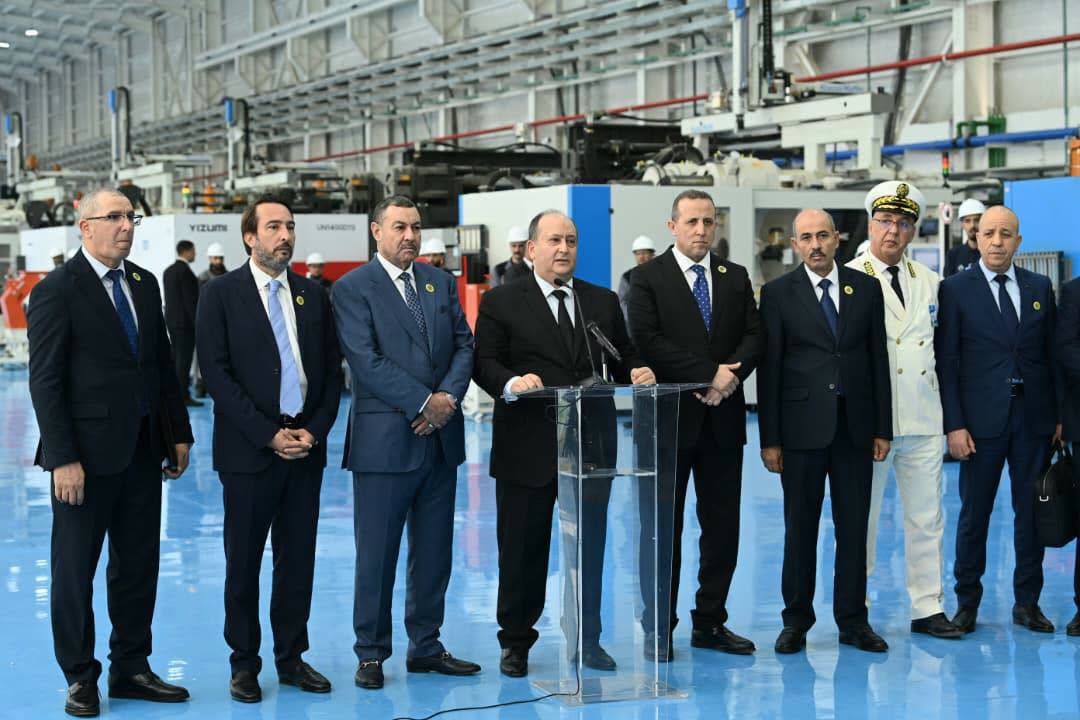
The government says the Tissemsilt operation will begin with a national integration rate of about 40%, with a longer-term target of 70%. It is also moving beyond encouraging manufacturers to buy locally. Ghrieb said plastic components used by Algerian vehicle manufacturers should no longer be imported where the same parts can be produced domestically, with manufacturers expected to have the necessary moulds installed at the Tissemsilt facility by the end of 2026.
That policy intersects directly with the localization targets already being pursued by Fiat.
When Stellantis started production at Tafraoui in December 2023, it committed more than €200 million with its suppliers to establish production of four Fiat models. The plant initially relied heavily on SKD assembly but has subsequently added body welding, painting and stamping operations.
The Grande Panda marked another stage in that transition. Stellantis announced in September 2025 that the model would enter CKD production with an initial local integration rate of 20%, rising above 30% in 2026. By the end of 2025, the company said its Algerian localization programme covered more than 300 component references for industrial production and another 350 for the aftermarket.
The supplier base has also started to broaden. Stellantis has previously identified Algerian companies including FERRUZ, IRIS TYRES, IDE-NET, GHAZAL and SAREL INDUSTRIES among suppliers selected for its localization programme. By 2024, the company said it had already reached a 10% local integration rate, before the addition of its newer industrial processes.
Tissemsilt therefore addresses one of the more difficult stages in building a domestic automotive industry. Vehicle assembly can be established relatively quickly using imported kits, but increasing local value requires manufacturers producing tyres, seats, glass, wiring harnesses, stamped metal, batteries, plastics and other components at sufficient quality and volume to enter OEM supply chains.
The economics of those suppliers improve as vehicle production increases. A plastics operation capable of serving 200,000 vehicles has a considerably larger addressable market if several manufacturers use common domestic suppliers rather than each automaker building a small captive component operation.
The plant has also been designed to operate beyond automotive manufacturing. Its injection equipment can produce components for household appliances, refrigerators and air conditioners, cable manufacturing, medical equipment, packaging, household goods, cosmetics, eyewear, drones and road-sign infrastructure. That diversification gives the factory potential demand outside fluctuations in vehicle production and spreads its industrial capacity across several manufacturing sectors.
Around 300 direct and 500 indirect jobs are expected to be associated with the project, while the surrounding industrial activity could create additional demand for tooling, mould maintenance, raw-material distribution, transport, warehousing and other services.
The factory also carries significance beyond automotive policy because of how the asset returned to production. The site was confiscated from Cima Motors following corruption proceedings involving its former owner and subsequently transferred into the public industrial portfolio. Its reopening forms part of Algeria’s programme to return confiscated factories and other productive assets to economic use rather than leave them idle.
For Algeria’s automotive strategy, however, the more consequential development is the emergence of production between the assembly line and the raw-material supplier.
Fiat’s Tafraoui plant is moving towards 135,000 vehicles of annual capacity by 2028, CKD production is expanding and hundreds of component references are already being localized. Tissemsilt adds injection-moulded plastics at a scale potentially sufficient to supply several vehicle programmes.
The progression from imported vehicles to local assembly, and from assembly towards domestically manufactured components, will determine how much of Algeria’s automotive expenditure ultimately remains within its own industrial economy