Automotive manufacturing
Linglong Advances $2 Billion Egyptian Tyre Complex as Cairo Targets an Integrated Automotive Supply Chain
Egypt has signed a memorandum of understanding with China’s Linglong Group to develop an integrated tyre and automotive-industry complex involving planned investment of approximately $2 billion, extending from finished tyres into key production inputs as Cairo seeks a deeper domestic automotive supply chain.
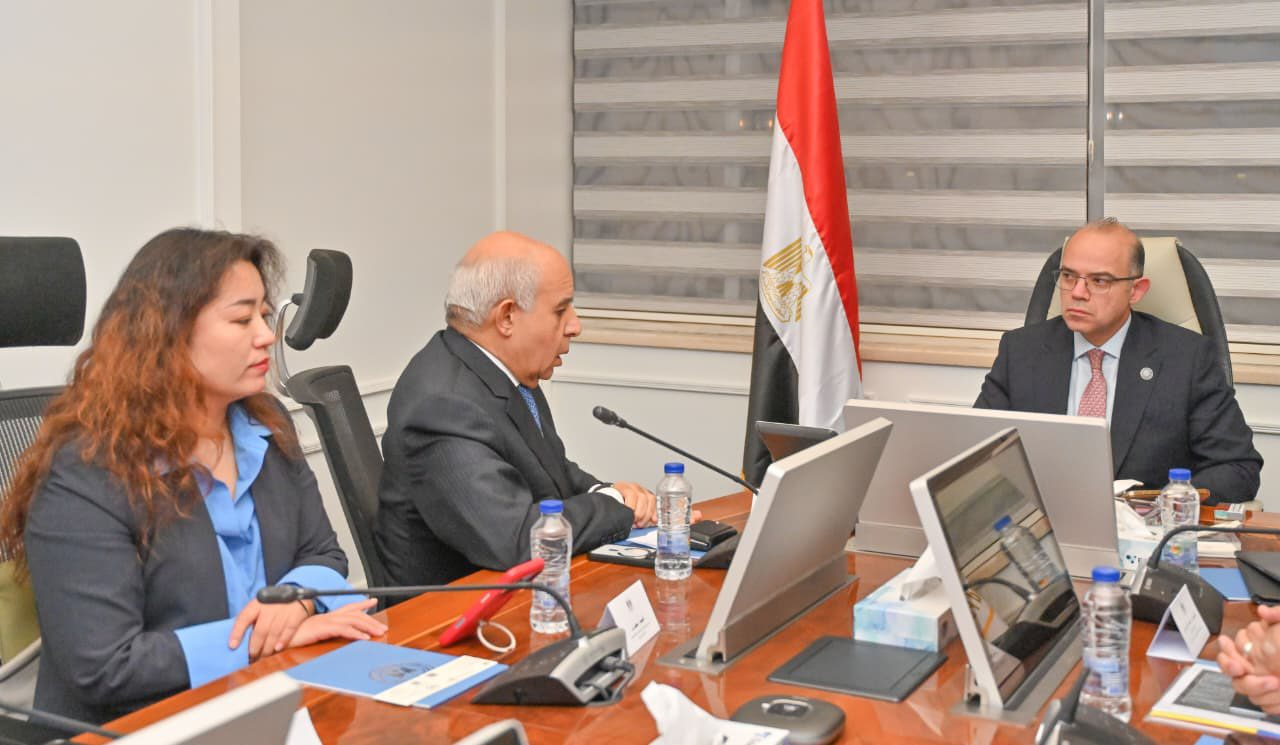
Egypt has signed a memorandum of understanding with China’s Linglong Group to develop an integrated tyre and automotive-industry complex involving planned investment of approximately $2 billion. The project would manufacture tyres for passenger cars, buses and industrial equipment, alongside conveyor belts and key production inputs, as Egypt seeks to build a more complete domestic automotive supply chain and expand its export manufacturing base.
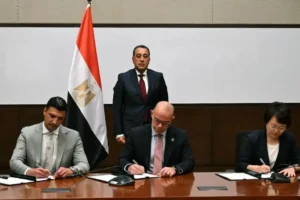
The agreement, signed on 3 September 2026, was witnessed by Prime Minister Mostafa Madbouly at the government headquarters in the New Capital. Khaled Hashem, Minister of Industry, signed on behalf of Egypt, while Wang Lin, Vice Chairman of Linglong Group, represented the Chinese manufacturer.
The proposed complex is expected to create more than 5,000 jobs and incorporate supporting industries including carbon black and steel wire. Its scope is therefore considerably broader than a conventional tyre assembly or finishing plant, extending into materials and components used in tyre production.
Hashem said the project would support technology and expertise transfer, develop Egyptian industrial skills and strengthen integration between tyre manufacturing and its feeder industries. The government intends for production to serve the domestic market as well as export destinations in Europe and the United States.
The minister linked the agreement to Egypt’s strategy of localizing complementary industries, increasing domestic value addition and reducing reliance on imported automotive components. He also emphasized the importance of completing supply chains rather than developing isolated manufacturing operations.
Commercial-vehicle relevance
For the commercial-vehicle industry, the inclusion of bus and equipment tyres is particularly relevant. Tyres represent a recurring operating cost for truck, bus, construction and mining fleets, while reliable supply and technical support influence vehicle availability and maintenance expenditure. A substantial domestic manufacturing base could eventually improve procurement options for Egyptian operators and support regional distribution, although the project’s commercial-vehicle product range and production capacity have not yet been disclosed.
From April proposal to September MoU
The September signing follows an earlier investment proposal presented to Egypt’s Ministry of Investment and Foreign Trade on 29 April. At that stage, Shandong Linglong Tire outlined plans for a complex in Borg El Arab covering up to three million square meters, with estimated investment of approximately $2 billion over its development phases.
The April proposal envisaged a private free-zone structure and cooperation with Egyptian company Nile Trading and Supplies, operating under the Fit & Fix brand. It included tyre production for passenger vehicles and heavy-duty trucks, together with supporting industries such as rubber and carbon black. Approximately 90% of output was initially expected to be directed towards export markets, particularly the United States and Gulf countries.
The earlier discussions were led on the Egyptian side by Mohamed Farid, Minister of Investment and Foreign Trade. The Chinese delegation included Sophie Li, General Manager of Projects and Investments at Shandong Linglong, while Osama El-Naggar, Chairman of Nile Trading and Supplies, also participated. Mohamed El-Gawsaky, Chief Executive Officer of the General Authority for Investment and Free Zones, and Mohamed Ayad, adviser to the investment minister, attended the discussions.
Farid said attracting investments that transfer advanced technology and strengthen domestic manufacturing capabilities was a government priority. He identified automotive components and tyre production as industries capable of increasing the value of Egyptian exports, while explaining that the private free-zone system offers incentives and operational flexibility for export-oriented manufacturers.
Sophie Li described Egypt as a suitable regional manufacturing and export hub because of its geographic position and network of trade agreements. She said Linglong intended to establish a fully integrated industrial complex using advanced production technologies in partnership with Nile Trading and Supplies, with technology transfer and the development of local industrial capabilities forming part of the proposal.
Li also indicated that the company would continue consultations with the relevant authorities to secure the approvals required to move the project towards implementation. The April investment estimate was expressly conditional on obtaining the necessary licenses and regulatory approvals.
The September MoU represents a further formalization of that proposal, but the public announcement does not confirm whether the final site, free-zone structure, equity arrangements or implementation timetable have been settled. It also does not establish that the entire $2 billion has been committed or disbursed. The investment figure should therefore be understood as the expected scale of the proposed complex, not completed capital expenditure.
Building a deeper tyre supply chain
Linglong is one of China’s established international tyre manufacturers, supplying passenger-car, SUV, truck, bus and specialty tyre markets. The company has pursued overseas manufacturing expansion as part of its strategy to serve automotive manufacturers and replacement markets closer to their regional demand centers.
The proposed Egyptian facility would add an African manufacturing base to that international strategy. Its potential significance lies in combining finished tyre production with upstream materials and industrial inputs, rather than relying exclusively on imported components. Carbon black is a major reinforcing material in tyre compounds, while steel wire and cord are used in tyre reinforcement structures. Localizing these inputs could create additional opportunities for chemical, metal-processing, logistics and industrial-service companies.
For Egyptian vehicle manufacturers, a larger domestic tyre industry could support local-content objectives and improve access to original-equipment supply. For fleet operators, the eventual benefits would depend on the availability of suitable commercial-vehicle sizes, product performance, pricing, distribution and aftersales support. The announcement does not yet identify specific tyre models, annual production volumes, OEM supply contracts or fleet customers.
Part of a broader automotive industrial strategy
The project also forms part of a broader Egyptian effort to attract Chinese automotive and industrial investment. On the same day, the Ministry of Industry, the Sovereign Fund of Egypt and Jiangsu Changhong Intelligent Equipment signed a separate agreement, in cooperation with Italy’s FIDIA Automotive Engineering Systems, to develop capabilities for designing, equipping and building automotive and transport manufacturing plants.
Together, the initiatives illustrate Cairo’s attempt to move beyond vehicle assembly into the industrial systems, components and materials that underpin automotive production. The Linglong project would address a major recurring automotive product and its supply chain, while the Changhong initiative targets the engineering and equipment required to establish manufacturing facilities.
What comes next
The next milestones for Linglong will be confirmation of the project’s final investment structure, site and regulatory approvals, followed by a construction timetable, phased production capacity and commercial supply arrangements. Until those details are announced, the complex remains a major proposed industrial investment rather than an operating tyre factory.
If implemented at the planned scale, it could materially expand Egypt’s role in automotive component manufacturing and create a new source of tyres and related industrial products for domestic and international markets. Its ultimate value to African fleets will be determined not only by the size of the investment, but by the products manufactured, their competitiveness and the reliability of the supply network built around them.