Automotive Manufacturing
Egypt Moves Beyond Vehicle Assembly with Automotive Factory-Engineering Agreement
Egypt has signed an agreement with China’s Jiangsu Changhong Intelligent Equipment and the Sovereign Fund of Egypt to develop a domestic base for designing, equipping and building automotive and transport manufacturing plants. The initiative, undertaken in cooperation with Italy’s FIDIA Automotive Engineering Systems, is intended to move more of the engineering and production technology behind vehicle manufacturing into Egypt.
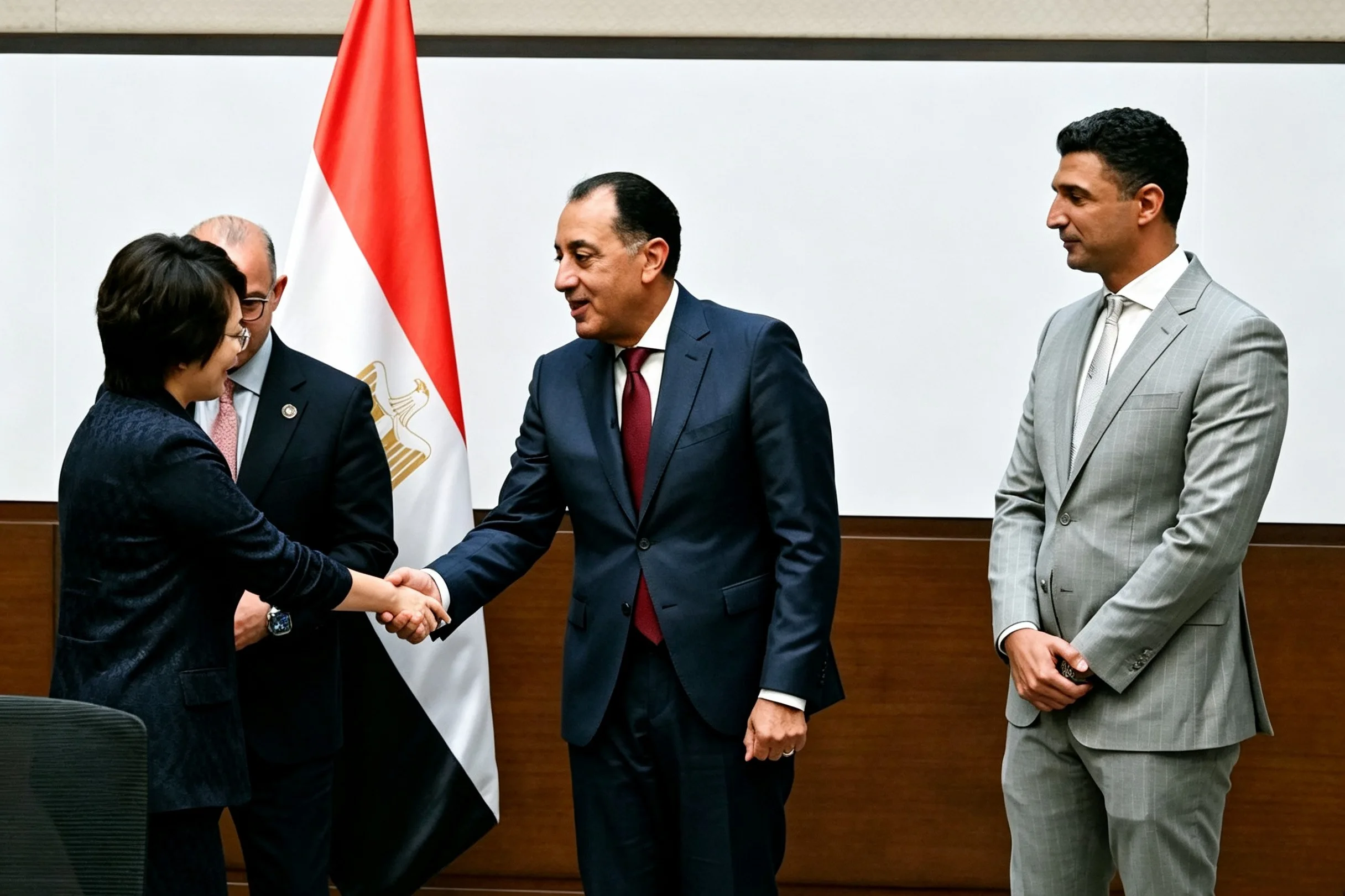
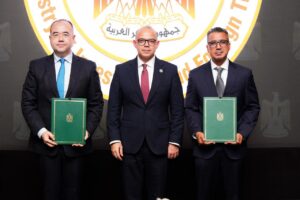
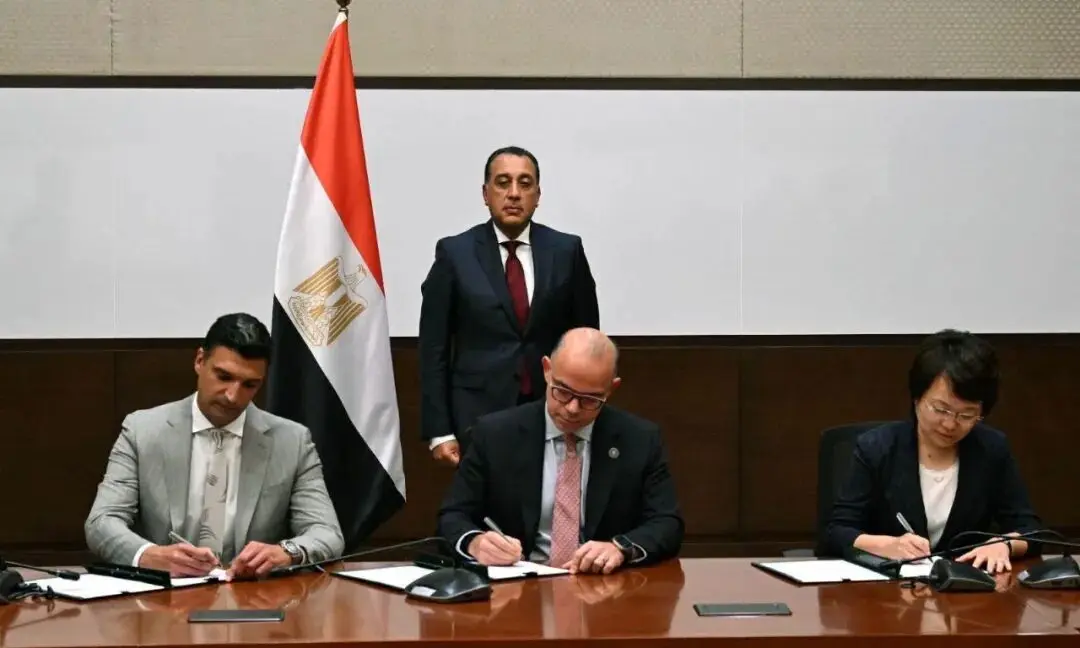
Egypt is seeking to deepen its automotive industry beyond the assembly of imported vehicle kits through a new industrial and engineering partnership with Jiangsu Changhong Intelligent Equipment Co., Ltd. The memorandum of understanding, signed on 3 September 2026, brings together the Ministry of Industry, the Sovereign Fund of Egypt and the Chinese company, in cooperation with FIDIA Automotive Engineering Systems S.R.L.
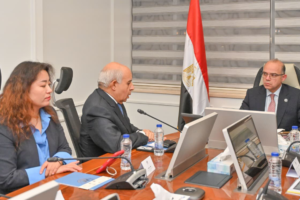
Prime Minister Mostafa Madbouly witnessed the signing at the government headquarters in the New Capital. The signatories were Mohamed Farid, Minister of Investment and Foreign Trade; Khaled Hashem, Minister of Industry; and Jiangsu Changhong’s president, Qiu Yunjie, also identified in English-language reporting as Aileen Zhou.
The proposed platform will provide automotive-factory engineering, smart production equipment, technical services, training and technology transfer for manufacturers in Egypt and potentially other regional markets. Its significance lies in the part of the automotive value chain it targets: not the vehicle itself, but the industrial systems required to manufacture it.
Building the industrial systems behind vehicle production
The agreement envisages a specialized base capable of supporting the planning and construction of automotive and other transport manufacturing plants. Activities are expected to include factory design, production-line engineering, equipment manufacturing and assembly, installation, maintenance and aftersales services.
Industry Minister Khaled Hashem said the project would progressively transfer a greater share of engineering, design, metal manufacturing, assembly, maintenance and aftersales activities to Egypt. The government also expects the platform to help attract additional Chinese and international companies, strengthen local suppliers and develop Egyptian engineering and technical skills.
For manufacturers, this could eventually reduce reliance on importing complete production systems for every new vehicle program. A locally established engineering and equipment base would also create opportunities for Egyptian metal fabricators, automation specialists, maintenance providers and industrial-service companies.
The agreement does not, however, mean that a completed factory-engineering complex is already operating. The public announcement describes an MoU and a proposed development program; it does not confirm a construction start, commissioning date or final investment amount for the September agreement.
From the July proposal to the September agreement
The September agreement follows discussions held on 9 July between Egypt’s Ministry of Industry and a Jiangsu Changhong delegation led by Qiu Yunjie. At that meeting, the company outlined plans for an approximately $20 million industrial complex offering smart manufacturing solutions to the automotive sector.
The earlier proposal covered production-line equipment, intelligent industrial software, factory planning and design consultancy, and integrated engineering services. Egyptian officials also discussed potential support through industrial land, infrastructure and cooperation with the Sovereign Fund of Egypt.
Hashem described the government’s objective as moving beyond vehicle assembly towards more complete manufacturing, higher local content and greater domestic value addition. He also emphasized training in industrial engineering, smart manufacturing and digital transformation as part of the localization strategy.
The $20 million figure belongs to the July proposal. The September announcement does not establish that this amount has become a final committed investment, nor does it provide a revised project budget.
Technology transfer and regional ambitions
Investment and Foreign Trade Minister Mohamed Farid said the agreement fits Egypt’s strategy of attracting international companies with advanced supply chains while increasing domestic manufacturing and transferring technology and expertise.
In remarks accompanying the signing, Farid said the government wants such projects to deepen local production, reduce pressure on foreign-currency resources and expand export capacity. He also described the proposed base as an important step towards developing Egyptian capabilities in automotive technologies, components and production equipment.
The government’s longer-term ambition is to position Egypt as a regional center for automotive-factory engineering and smart manufacturing systems, serving both domestic manufacturers and export markets.
That regional dimension is commercially relevant. If the project progresses beyond the MoU stage, Egypt could become a source of factory engineering, production equipment and technical services for vehicle manufacturers elsewhere in Africa and the Middle East, rather than relying solely on exports of finished vehicles.
Jiangsu Changhong is an industrial-equipment and engineering company with experience in automotive manufacturing systems, including body shops, paint shops and final-assembly facilities. Its capabilities also extend to production systems for construction machinery and rail transport.
During the July discussions, Qiu Yunjie said the company was interested in a long-term Egyptian partnership centered on technology transfer, technical expertise and training local engineering talent. She also expressed interest in cooperation with universities, research centers and innovation institutions, including the application of artificial intelligence and digital technologies to industrial production.
FIDIA Automotive Engineering Systems is identified as the Italian cooperation partner in the September agreement. The public announcement does not specify its equity participation, contractual responsibilities or the precise division of work between the partners.
What it could mean for commercial-vehicle manufacturing
Although the agreement is primarily an industrial-development initiative, it has implications for the commercial-vehicle market. Truck, bus and van assembly programs depend on production equipment, tooling, welding and painting systems, quality-control processes and reliable technical support. Developing more of those capabilities locally can improve the industrial foundation on which future vehicle programs are built.
The potential benefits are not automatic. Localizing factory engineering does not by itself guarantee lower vehicle prices, higher local-content percentages or new fleet orders. Those outcomes will depend on the project’s implementation, the competitiveness of locally supplied equipment and services, and the willingness of OEMs and component manufacturers to use the proposed platform.
For Egypt, the immediate significance is strategic. The country is attempting to build the capabilities required to establish and expand automotive factories, rather than measuring industrial progress only by the number of vehicles assembled.
The next milestones will be confirmation of the project’s investment structure, site, implementation timetable, participating industrial partners and the first manufacturing or engineering contracts. Until those details are disclosed, the agreement should be treated as a significant localization initiative at MoU stage, not as a completed industrial investment.