



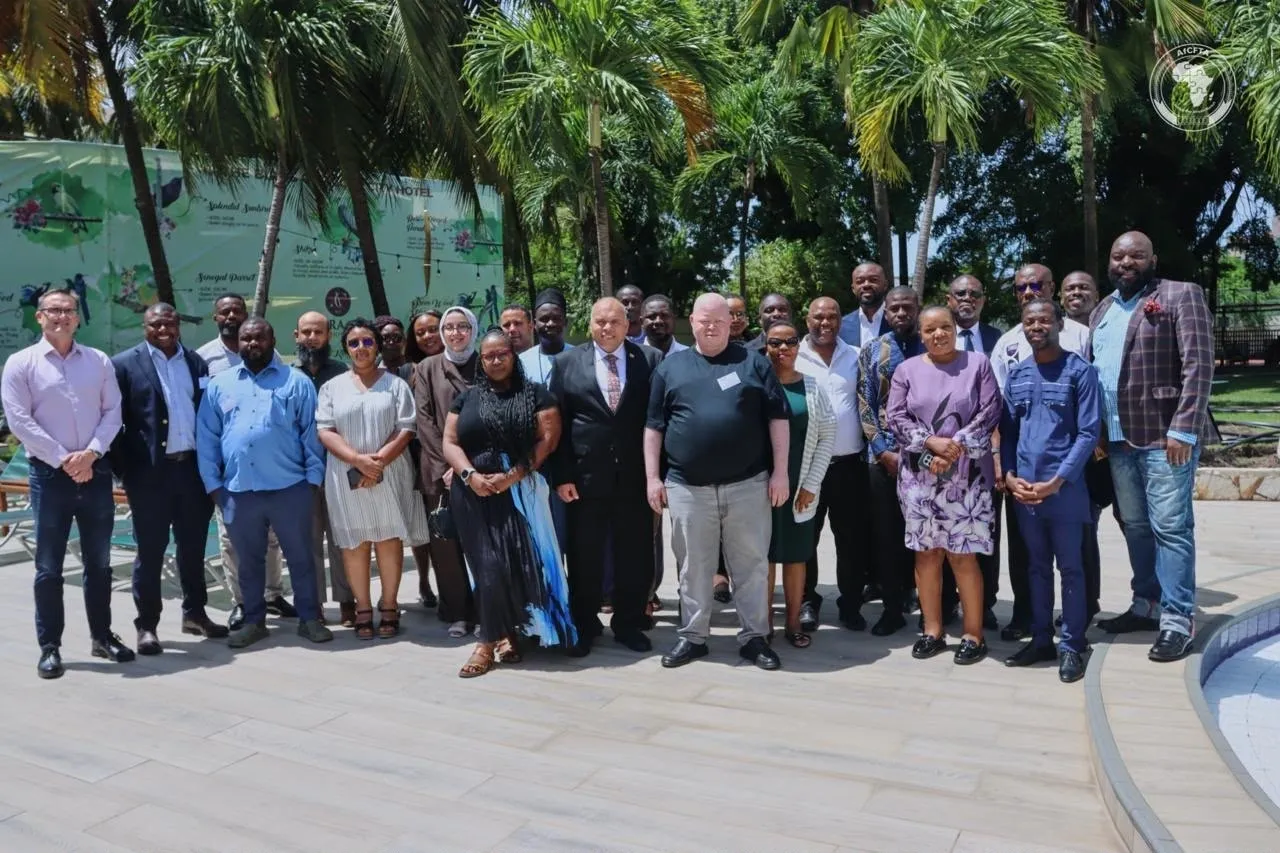
Africa’s ambitions to build a globally competitive automotive industry are increasingly shifting from policy discussions to practical implementation. In a significant step towards strengthening the continent’s industrial capabilities, the African Association of Automotive Manufacturers (AAAM), in partnership with the African Continental Free Trade Area (AfCFTA) Secretariat and African Export-Import Bank (Afreximbank), has launched the second annual Automotive Executive Short Course (ESC) in Accra, Ghana.
The programme, which began on 15 June and runs until 7 August 2026, is academically supported by the Toyota Wessels Institute for Manufacturing Studies (TWIMS). It is designed to equip senior government officials, trade policymakers and industrial development leaders from across Africa with the knowledge and practical tools required to accelerate automotive industrialisation under the AfCFTA framework.
Following the inaugural Executive Short Course in 2025, which focused on unlocking Africa’s automotive potential, this year’s programme places greater emphasis on implementation. Operating under the theme, “Driving AfCFTA Execution to Develop Africa’s Automotive Value Chain Potential,” the initiative seeks to strengthen the capacity of public sector leaders to translate policy commitments into tangible industrial development outcomes.
The automotive sector is increasingly recognised as one of Africa’s most strategic industries. Beyond vehicle assembly and manufacturing, the sector has the potential to drive industrialisation, create employment, stimulate skills development, encourage technology transfer and deepen regional economic integration. However, unlocking these opportunities will require coordinated policymaking, stronger collaboration between governments and industry, and deliberate efforts to develop regional automotive value chains.
The eight-week programme has therefore been structured to provide participants with practical exposure to the complexities of automotive industrial development. The first phase comprises a five-day Automotive Seminar Week hosted in Accra, Ghana. This is followed by a six-week online Automotive Policy and Strategy Assignment, during which participants work in syndicate teams to develop automotive policy frameworks and implementation strategies aligned with the AfCFTA Automotive Framework Agreement. The programme will conclude with a Learning Consolidation and Best Practice Study Week in Durban, South Africa, where participants will visit leading automotive manufacturers, component suppliers and technology centres.
Throughout the programme, participants will explore a broad range of topics including the structure of global automotive value chains, emerging trends such as new energy vehicles and mobility services, African automotive market opportunities, industrial policy design, regional value chain development and implementation requirements under the AfCFTA Automotive Framework Agreement. The course also provides direct exposure to successful automotive manufacturing operations through industry visits in both Ghana and South Africa.
Speaking at the launch, Dr Gainmore Zanamwe, Director: Trade Facilitation & Investment Promotion at Afreximbank, underscored the importance of building institutional and policy capacity alongside financial investment.
He noted that while capital remains essential, developing competitive automotive value chains requires coordinated policy, stronger institutions, bankable projects and the technical capability to connect production, finance and markets across borders. He added that the programme will help equip public sector leaders with practical tools needed to support industrialisation, deepen intra-African trade and maximise the impact of the US$1 billion committed by Afreximbank towards financing Africa’s automotive industry.
Themba Khumalo, Director of the Private Sector Unit at the AfCFTA Secretariat, observed that although the AfCFTA provides the framework for a more integrated African market, its success will ultimately depend on the ability of countries to convert commitments into practical policy action. He emphasised that the automotive sector is particularly important because it links manufacturing, logistics, services, skills development and regional value chains, making it a critical catalyst for broader industrial growth across the continent.
Victoria Backhaus-Jerling, Chief Executive Officer of AAAM, said Africa had moved beyond discussing the promise of regional integration and must now focus on implementation. She argued that building competitive automotive value chains across Africa will require coordinated policy action, strategic partnerships and a shared commitment to execution. According to Backhaus-Jerling, the long-term success of Africa’s automotive industry will depend not only on private sector investment, but also on governments’ ability to create enabling policy environments.
She also acknowledged the support of industry and development partners, including Isuzu Motors South Africa, Volkswagen Group Africa, Toyota South Africa Motors, GIZ and Rana Motors, whose sponsorship has helped establish a unique platform for knowledge sharing, collaboration and capacity building among officials responsible for shaping Africa’s automotive future.
Participants who successfully complete all three phases of the programme will receive a Course Completion Certificate accredited by TWIMS.
The Executive Short Course forms part of broader efforts by AAAM and its partners to support the emergence of a competitive, integrated and sustainable African automotive ecosystem capable of attracting investment, creating jobs and strengthening intra-African trade. As implementation of the AfCFTA gathers pace, initiatives such as this are expected to play a pivotal role in preparing the public sector leadership required to drive Africa’s next phase of industrial transformation.