


Kiira Motors Corporation (KMC) is quietly rewriting Africa’s industrial narrative from the outskirts of Jinja, Uganda. At a time when much of the continent remains heavily dependent on imported vehicles, KMC has emerged as a symbol of African manufacturing ambition, producing electric buses designed, engineered and assembled on African soil.
The sprawling facility, a striking blend of modern glass and concrete architecture, stands amid landscaped gardens, clearly marked walkways and an on-site wastewater treatment plant. One tree on the grounds carries particular symbolism: it was planted by King Mswati III of Eswatini during his state visit to KMC in August 2024, a reminder of the continental aspirations that underpin the company.
Today, KMC is Africa’s largest electric bus manufacturing plant, employing approximately 406 people. More significantly, it is advancing a vision long considered elusive—building vehicles in Africa for African markets. Although 79 percent of components and raw materials are currently imported, mainly from China, the company has already achieved 21 percent local content and is targeting 65 percent localisation by 2030.
Inside the reception area, visitors are greeted by the distinctive apple-green Kiira EV prototype, proudly displayed as a testament to Uganda’s automotive capabilities. It is an unmistakable statement of intent: the future of mobility in Africa need not be imported.
A tour of the plant reveals an operation built around precision engineering and rigorous quality control. Equipped with personal protective gear, visitors are led through a series of highly specialised workstations where raw materials are transformed into finished buses.
“We are the most competent, the largest and the most capable bus manufacturing facility on the African continent,” said Vincent Muhumuza, Senior Quality Inspection and Testing Engineer, as he guided visitors through the facility.
The manufacturing process encompasses tube laser cutting, welding, assembly, sheet-metal integration, painting, trimming and final inspection. Sophisticated machinery ensures that every vehicle conforms precisely to its original design specifications, while dedicated testing stations conduct wheel alignment, braking, speed and emissions assessments, particularly for diesel models equipped with Euro 4 engines.
One of the most dramatic demonstrations comes at the end of the production process. Completed buses are subjected to simulated rainfall in a specialised testing chamber where high-pressure water jets assess the vehicle’s ability to withstand severe weather conditions. The test lasts approximately four minutes and ensures every bus leaves the factory fully weatherproof.
KMC currently requires about 14 days to produce a single bus, although the plant has been designed to manufacture as many as three buses per day at peak capacity. Each vehicle is expected to remain in service for approximately 12 years.
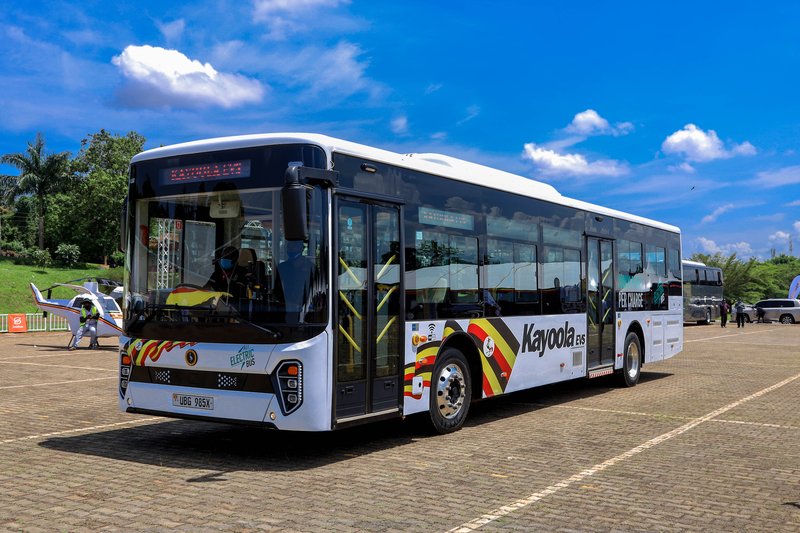
“We have two main categories of vehicles: city buses and coaches,” explained Engineer Richard Madanda, Director of Product Development. “For city transport, we exclusively manufacture electric buses under the Kayoola EVS brand, while coaches are available in both diesel and electric versions.”
Madanda believes Uganda’s transport challenges present significant opportunities for electric mobility.
“Uganda has a very large public transport gap. There is strong demand for new buses because very few operators buy second-hand units. E-Bus Xpress operates on a scheduled basis; whether passengers are onboard or not, the buses depart. Since electric vehicles are significantly cheaper to operate, fuel costs are less of a concern. Services like these could encourage many people to leave their private vehicles at home, helping to ease congestion.”
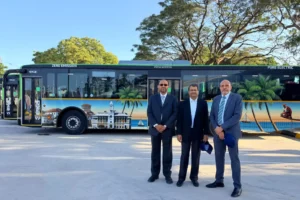
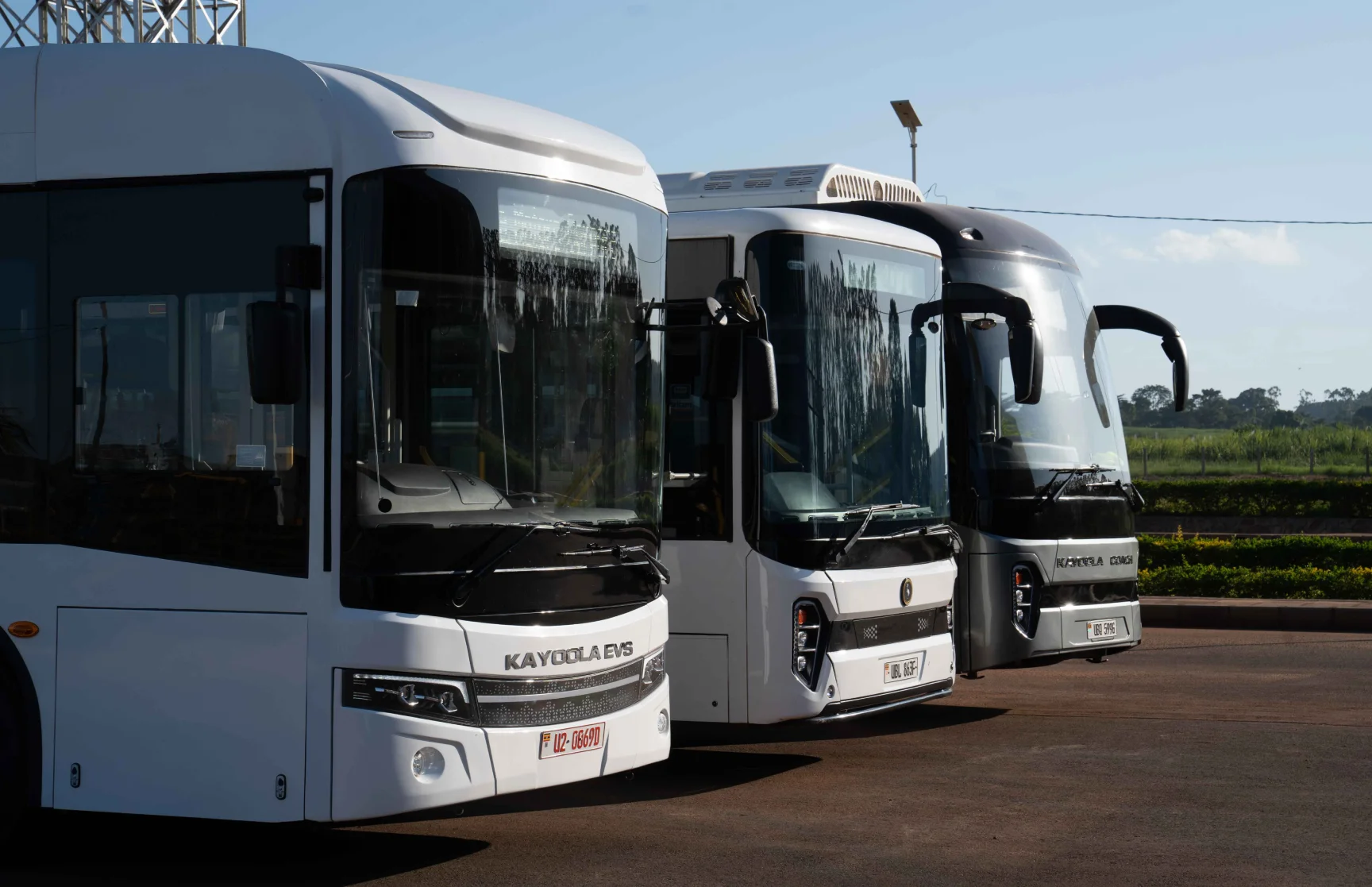
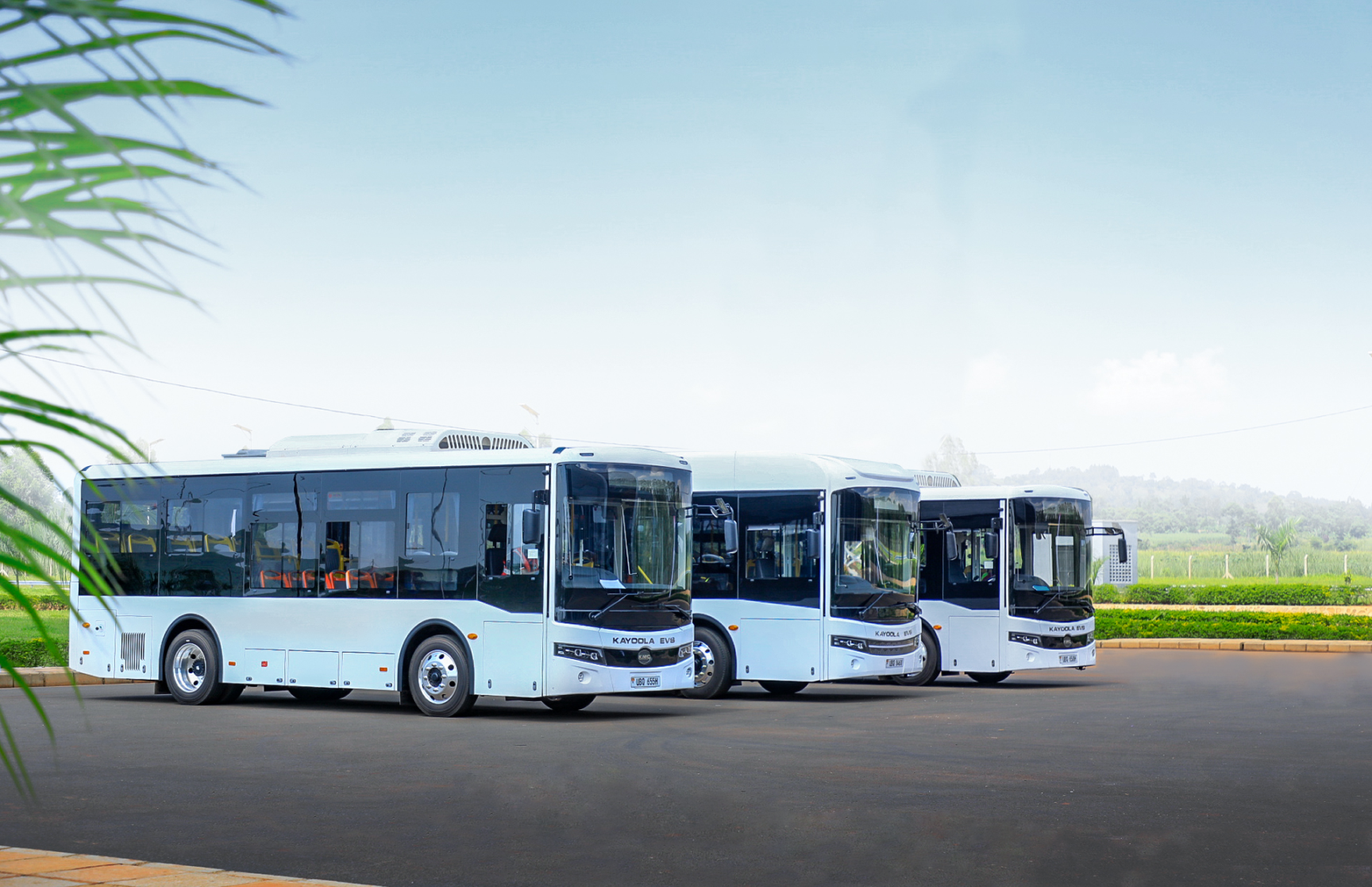
Parked around the factory are several vehicle variants, including the Campus Tour Bus designed for universities, zoos and wildlife parks; the 6.6-metre and 10.5-metre Kayoola EVS models; the 10.5-metre Kayoola Diesel Coach; and the flagship 13-metre Kayoola Electric Coach.