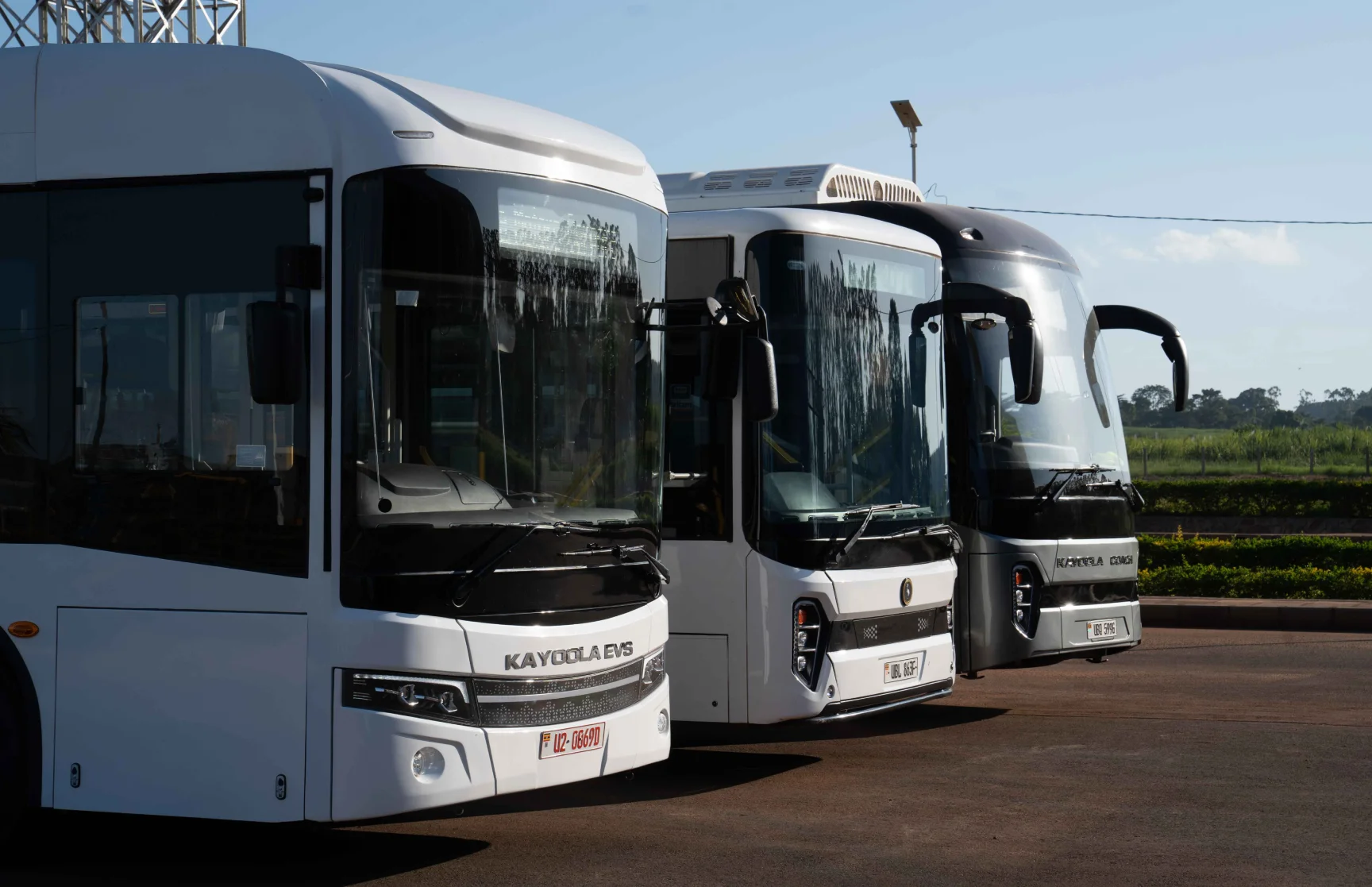





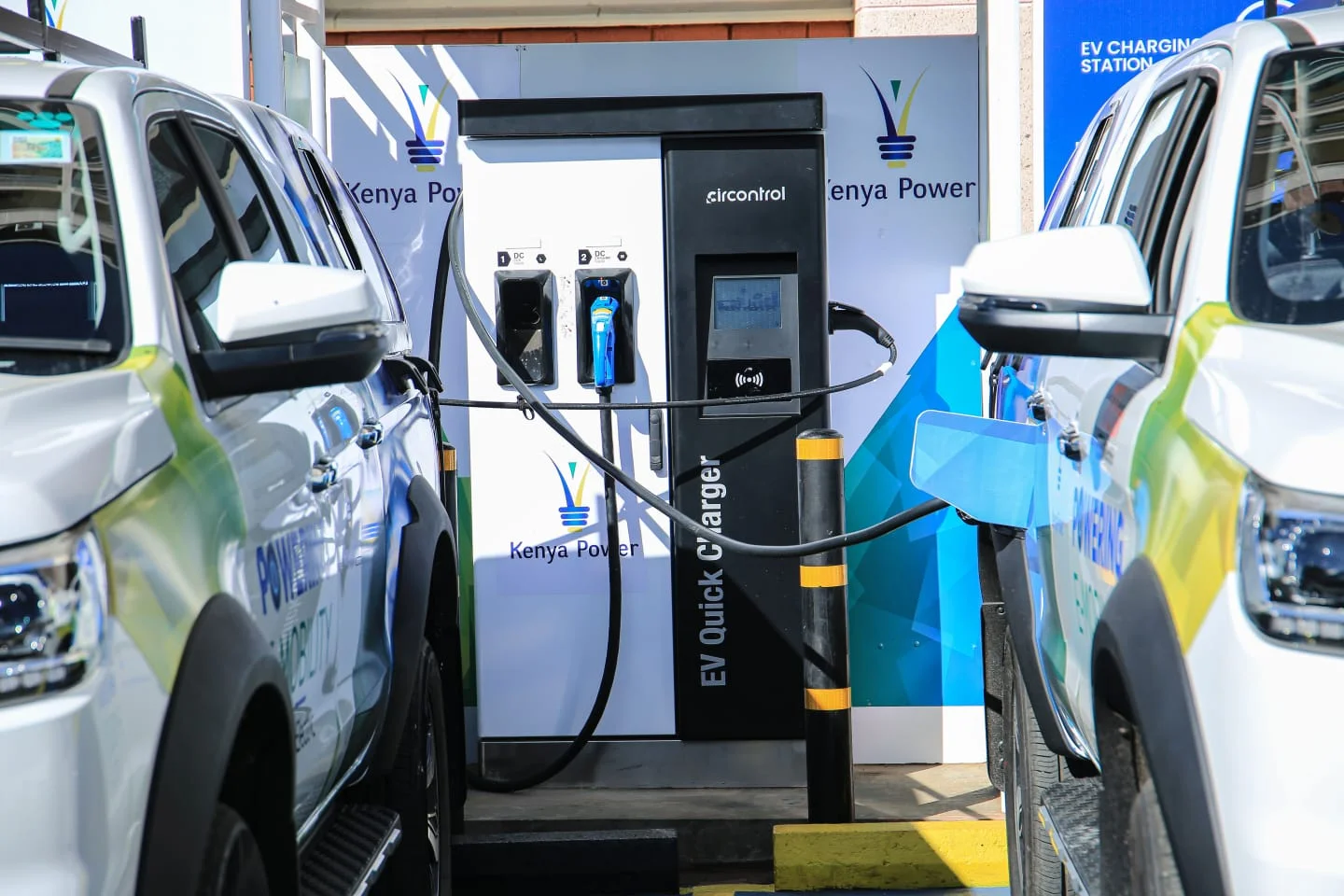
As electric mobility gains momentum across Africa, Kenya is positioning itself as one of the continent’s emerging leaders in EV infrastructure development. State utility company Kenya Power has unveiled plans to roll out 45 electric vehicle charging stations across key urban and transport corridors within the next year, signaling growing confidence in the future of clean transport in Africa.
The charging network will be distributed across Nairobi, Nyeri, Kisumu, Eldoret, Nakuru, Mombasa and Taita Taveta, creating one of East Africa’s most ambitious public charging infrastructure programs to date. Six of the chargers are expected to be installed at strategic points within Jomo Kenyatta International Airport, strengthening support for electric mobility within one of the region’s busiest transport hubs.
Speaking during the opening of the 3rd Annual E-Mobility Conference and Expo, Kenya Power Managing Director and CEO Dr. (Eng.) Joseph Siror said the initiative forms part of a broader strategy to support low-carbon transport and accelerate the country’s transition toward sustainable mobility.
According to the utility, the focus is not only on deploying charging stations but also on building an ecosystem that supports investors, vehicle operators, logistics fleets and private motorists adopting electric mobility solutions. Kenya Power says it is working closely with private sector players to identify energy requirements, infrastructure gaps and operational challenges that could affect EV adoption.
The development reflects a wider shift taking place across Africa, where governments, energy companies and mobility startups are increasingly exploring electric transport as a response to rising fuel costs, urban pollution and climate commitments. Across several African cities, electric buses, motorcycles and passenger vehicles are beginning to reshape conversations around transport policy and energy planning.
Global estimates show that transport contributes nearly a quarter of carbon emissions worldwide. Kenya, like many African countries, has committed to reducing greenhouse gas emissions by 2030, placing clean mobility among the strategic sectors expected to support that transition.
Kenya’s EV market has also recorded notable growth in recent years. Official figures indicate that more than 9,000 electric vehicles are now registered in the country, reflecting rapid growth from previous years as policy incentives, falling technology costs and growing investor interest continue to strengthen the sector.
Industry stakeholders say one of the major drivers behind the momentum has been the introduction of dedicated electricity tariffs for electric mobility, alongside growing discussions around tax incentives, charging infrastructure financing and public-private partnerships.
Kenya Power Board Chairman Joy Brenda Masinde emphasized the importance of continued government support, particularly through incentives that can lower the cost of EV ownership and infrastructure deployment.
The Kenyan experience is increasingly being watched across Africa as countries evaluate how to balance energy transition goals with expanding mobility demands. With urbanization accelerating and fuel import bills remaining a major economic pressure point for many African economies, electric mobility is gradually moving from pilot projects into mainstream transport planning.