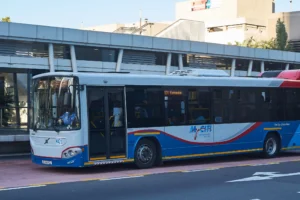
BasiGo has become closely associated with the introduction of electric buses into Kenya’s public transport system. Its next phase could take electric mobility into a much more familiar part of the country’s transport landscape: the 14 seater matatu.
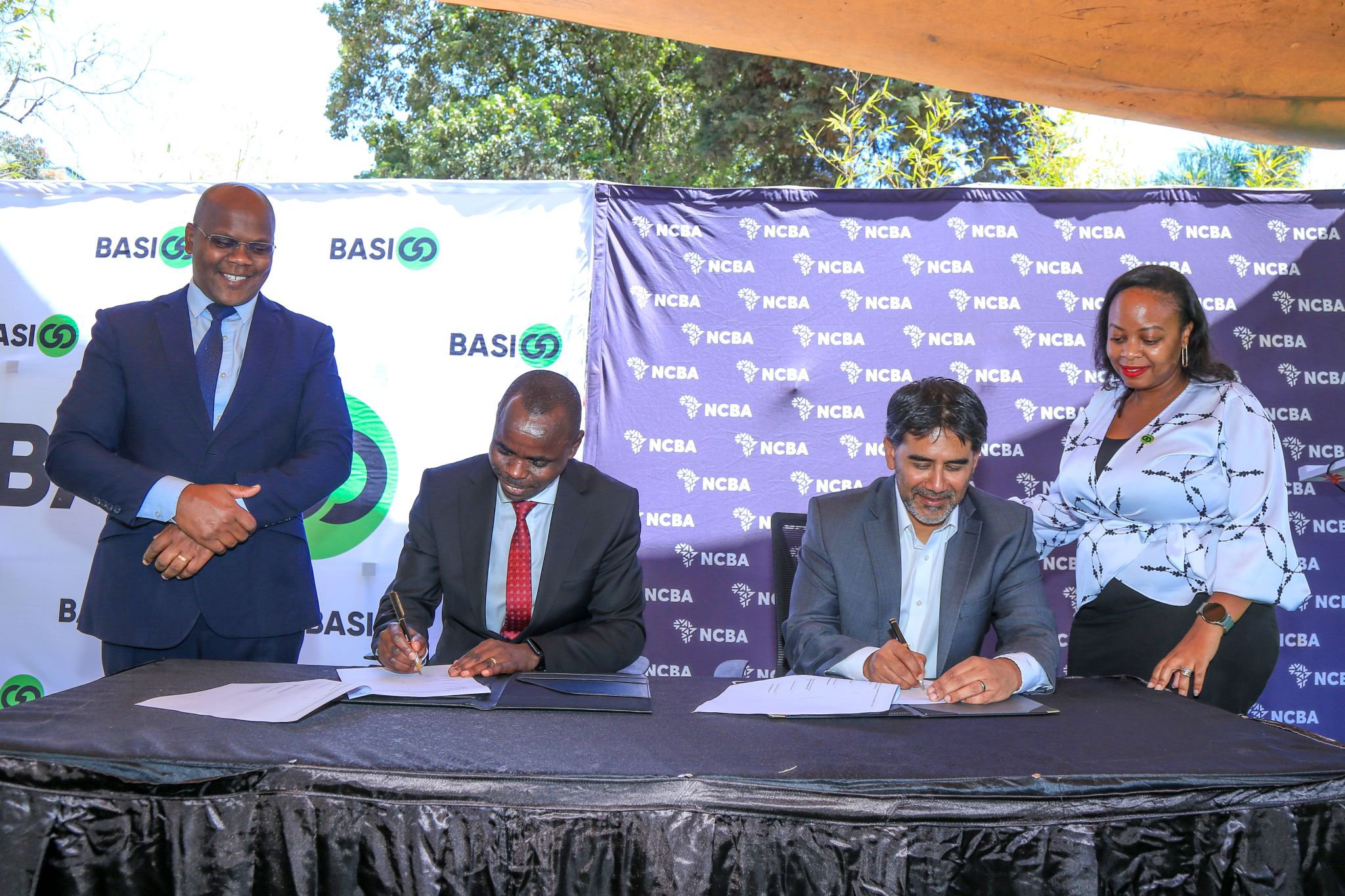
The company has entered a financing partnership with NCBA Group targeting 1,000 electric vehicles, including vans for PSV operators as well as vehicles for businesses, schools and hospitals.
For the matatu industry, the financing structure is particularly relevant.
Established PSV SACCOs and companies can access financing of up to 90 percent of the vehicle cost, repayable over as long as 60 months. Individual SACCO members can access up to 80 percent financing over periods of up to 48 months. Leasing is also being offered as another route to acquiring the vehicles.
This gives BasiGo a potentially important route into a market where vehicle acquisition is usually shaped as much by access to credit and daily cash flow as by the price of the vehicle itself.
The 14 seater van remains deeply embedded in Kenya’s public transport system. Thousands operate on city, peri urban and intercity routes, often covering substantial distances each day and working long operating hours. Replacing diesel vans with electric alternatives therefore requires more than introducing the vehicle itself.
Operators have to be able to finance it and earn from it.
BasiGo is bringing to the segment the approach it has developed through its electric bus business, including charging infrastructure and its Pay As You Drive model. Instead of requiring an operator to carry all the costs associated with the battery and supporting infrastructure at acquisition, the model shifts part of the cost into payments linked to vehicle use.
NCBA provides the other part of the equation: access to capital.
The bank has established a KSh2 billion e mobility financing facility and says more than KSh800 million has already been deployed into electric vehicle assets. Under the BasiGo arrangement, qualifying established SACCOs and companies will need to contribute a 10 percent deposit, while individual SACCO members will contribute 20 percent.
This matters because the economics of a 14 seater matatu are different from those of a larger bus. Many are owned by individual investors or small operators working through SACCO structures. Decisions are closely tied to daily collections, loan repayments, maintenance expenses, fuel consumption and the number of revenue earning trips a vehicle can complete.
An electric van will ultimately be judged against those same measures.
BasiGo has already helped establish electric buses as working commercial vehicles on Kenyan roads. Moving into the 14 seater segment takes that proposition into one of the most competitive parts of the PSV industry.
The question now is whether electric vans can offer matatu owners a sufficiently strong operating and financing case to begin replacing the diesel vans that have dominated the sector for decades.