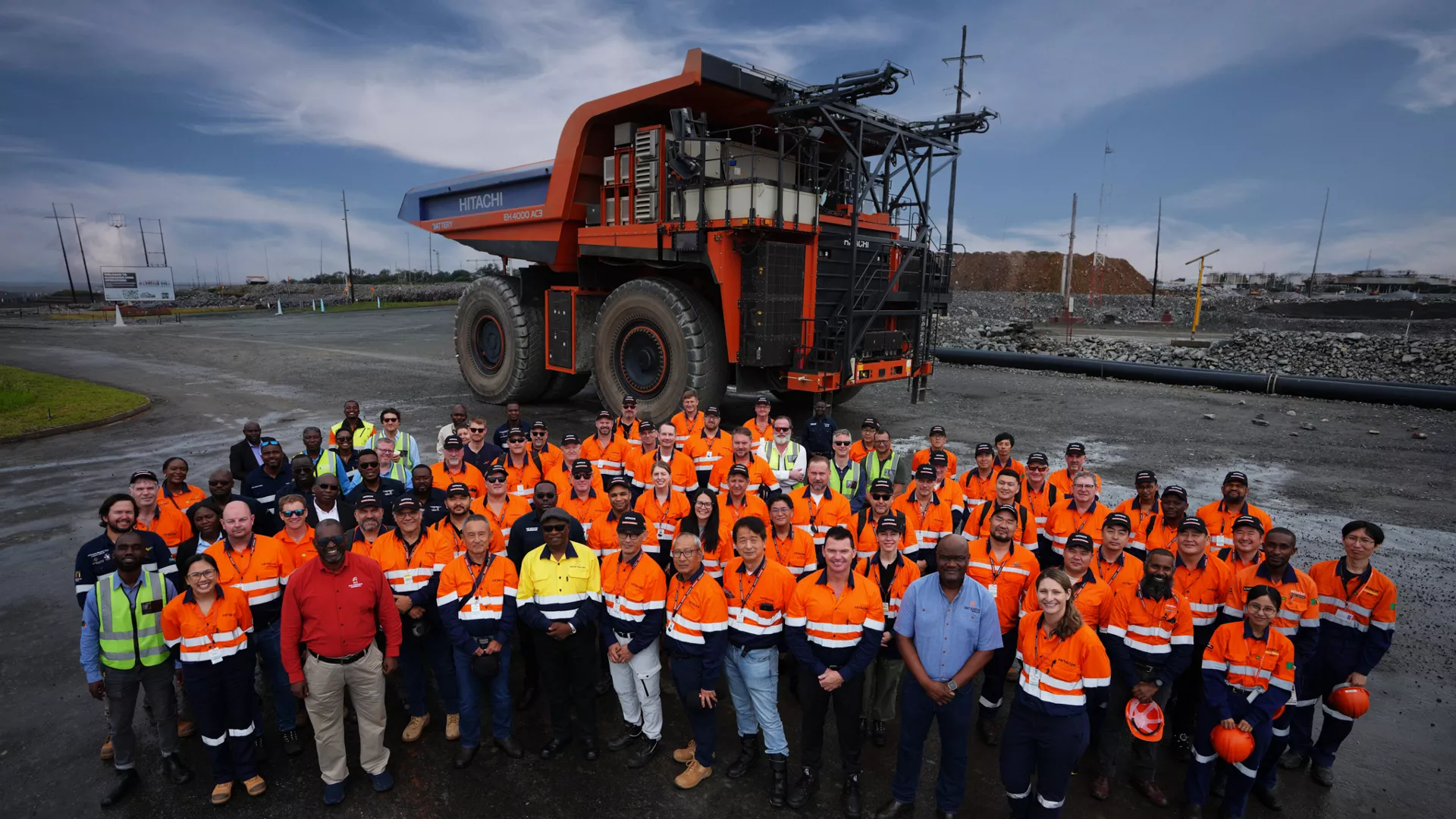
Start with the constraint you actually have, not the technology everyone else is discussing. Rio Tinto and Nevada Gold Mines built comprehensive, capital intensive autonomous fleets because they had the scale and balance sheet to justify it. Hitachi's work in Zambia and Botswana shows a more realistic starting point for most African operations: identify the single most expensive constraint, whether that is fuel cost, operator scarcity, or safety exposure, and solve that specific problem before considering a broader fleet wide commitment.
Treat vendor diversification and geological risk as two separate problems. Kamoa-Kakula's dual OEM strategy protected its equipment supply chain exactly as intended, and that lesson is genuinely transferable to any mine operating in a logistically difficult jurisdiction. But it did nothing to shorten the mine's recovery from seismic flooding, because supply chain risk and geotechnical risk require entirely different mitigation strategies. Do not let confidence in one substitute for planning against the other.
Demand evidence the technology fits your specific mine, not the vendor's reference site. Syama's automation failure happened because an ambitious, publicly celebrated system did not match the mine's actual underground design. Before committing capital to any automation partnership, ask specifically whether the proposed system has been proven against a mine plan and geology comparable to yours, not only against the vendor's flagship deployment elsewhere.
Budget for the communications infrastructure before the trucks. Nevada Gold Mines' experience shows that a private 5G network, purpose built for autonomous vehicle telemetry, was a larger and slower undertaking than the truck order itself. Any mine evaluating autonomous haulage needs an honest assessment of its existing wireless infrastructure before pricing the equipment.
Plan the workforce transition with the same rigour as the equipment procurement. Every successful deployment in this briefing paired its technology rollout with a deliberate retraining program, not an afterthought bolted on once the machines arrived. Caterpillar backed its CES 2026 push with a 25 million dollar, five year training commitment specifically because the labour shortage it is responding to will not resolve through automation alone.
Distinguish a country level headline from a site specific risk before making a capital decision. Resolute's experience at Syama shows that broad instability in a country does not necessarily apply uniformly to every operation within it. Financiers and mine managers assessing an African mining investment should demand site specific risk assessment rather than relying on national level narratives that may not reflect the actual operating environment.