


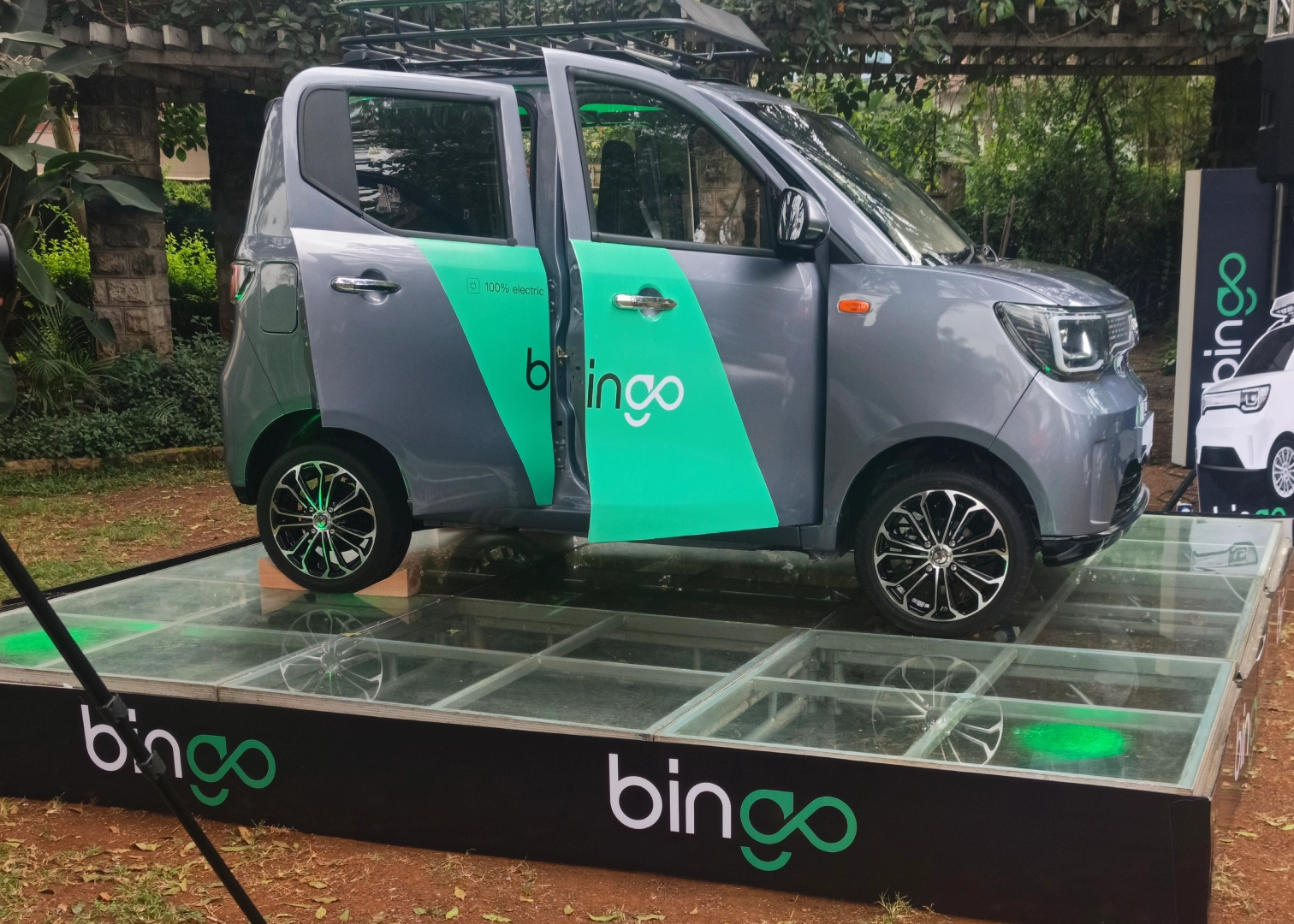
California based electric vehicle startup Bingo has officially entered the Kenyan market with the launch of its E2 electric vehicle in Nairobi on 28 July 2026. The company is targeting ride hailing and last mile delivery operators with a purpose built commercial EV featuring a dual battery system that delivers up to 440km of driving range.
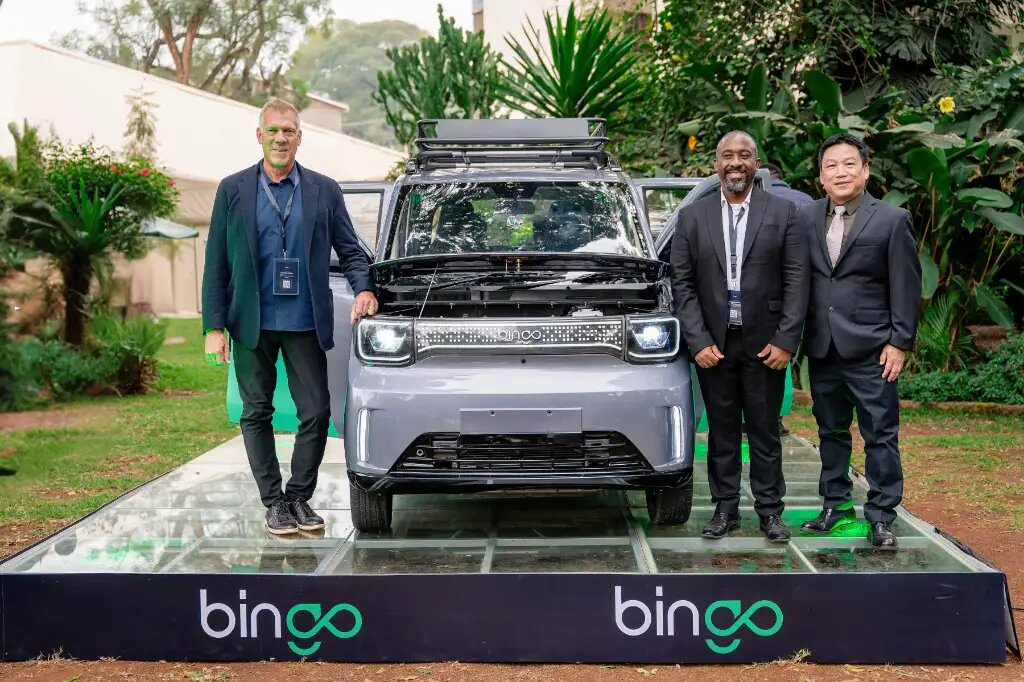
The E2 combines a permanently installed battery with four swappable battery packs, allowing drivers to replace depleted batteries within minutes instead of waiting for recharging. Alongside the vehicle rollout, Bingo plans to establish a network of battery swapping stations, DC fast chargers, and roadside battery support to improve reliability for commercial operators.
The launch took place at Delta40’s Nairobi campus during a private event attended by investors, financial institutions, and strategic partners. Bingo founder Daniel Huang joined the event together with representatives from Delta40, the company’s Africa investment partner.
Christian Scheder, Bingo’s Co founder and Chief Operating Officer, said the company is introducing more than just a new vehicle.
“We’re launching a new EV, but what we’re really launching is a whole ecosystem for ride hailing and last mile delivery drivers to succeed.”
He said high fuel costs continue to reduce earnings for commercial drivers, creating an opportunity for lower cost electric mobility solutions.
Bingo plans to import between 10 and 20 vehicles into Kenya during 2026 before starting local assembly in Nairobi by December with an initial production target of 100 units.
The company aims to have 1,500 vehicles operating in Kenya during 2027 before expanding to 10,000 vehicles by the end of 2028.
Bingo was founded by Daniel Huang, who previously founded portable battery brand mophie. The company grew into a global consumer electronics business before completing two major exits, including a public listing and a later acquisition valued at more than $100 million.
Before launching Bingo, Huang developed battery swapping networks across 50 cities, supporting more than 100,000 daily riders and over 500,000 battery swaps each day.
The company’s executive team includes Christian Scheder, who has managed mobility fleets of more than 10,000 vehicles across emerging markets, Mark Mwangi, former founder of digital freight platform AmiTruck and now Bingo’s General Manager for Africa, Chief Revenue Officer Alex Nesic, and Chief Technology Officer Macro He, who leads the company’s battery and hardware development.
Bingo is supported by Trucks Venture Capital and Delta40, together with several family offices and strategic investors.
Delta40 Co founder and Managing Partner Lyndsay Handler previously served as Chief Executive Officer of Fenix International, the clean energy company that expanded electricity access to more than 15 million people across nine African countries before being acquired by Engie in 2018.
Bingo says its business model is designed specifically for commercial drivers rather than private vehicle owners. The company estimates that each E2 electric vehicle can reduce carbon emissions by about seven tonnes annually compared with older imported petrol vehicles commonly used in ride hailing services across African cities.
The company believes the opportunity extends to more than 10 million ride hailing drivers across emerging markets. It also says its Cloud Fleet OS platform already supports electric vehicle fleets in six countries across Africa and Asia, with Kenya and South Africa currently serving as its primary deployment markets.
According to Bingo, the E2 enables drivers to earn significantly more than comparable petrol powered vehicles by reducing fuel costs and eliminating lengthy charging stops through battery swapping that takes about two minutes.