
Tharisa has recently strengthened transition into underground mining after securing a US$45.5 million revolving asset finance facility from Nedbank to fund the specialized equipment required for its underground mining operations. The facility also includes an accordion feature that allows the funding to increase to approximately US$75.8 million, providing additional financial flexibility as underground production expands.
The financing supports the underground fleet that will underpin the company’s next phase of growth at its flagship South African chrome and platinum group metals (PGM) operation. It follows the successful first blast at the Apollo portal on 31 March 2026, marking the official commencement of underground mining development. According to Tharisa, development remains on schedule, with the first ore expected to reach the processing plant during the second half of the current calendar year.
Unlike many mining operations that completely replace surface mining with underground extraction, Tharisa is pursuing a phased transition. Publicly available company information indicates that its owner-operated open-pit mining operations will continue alongside underground development for several years, with surface mining expected to continue until approximately 2032–2035. This dual-mining approach is designed to maximize resource recovery while supporting an underground operation that is expected to extend the mine’s productive life by several decades.
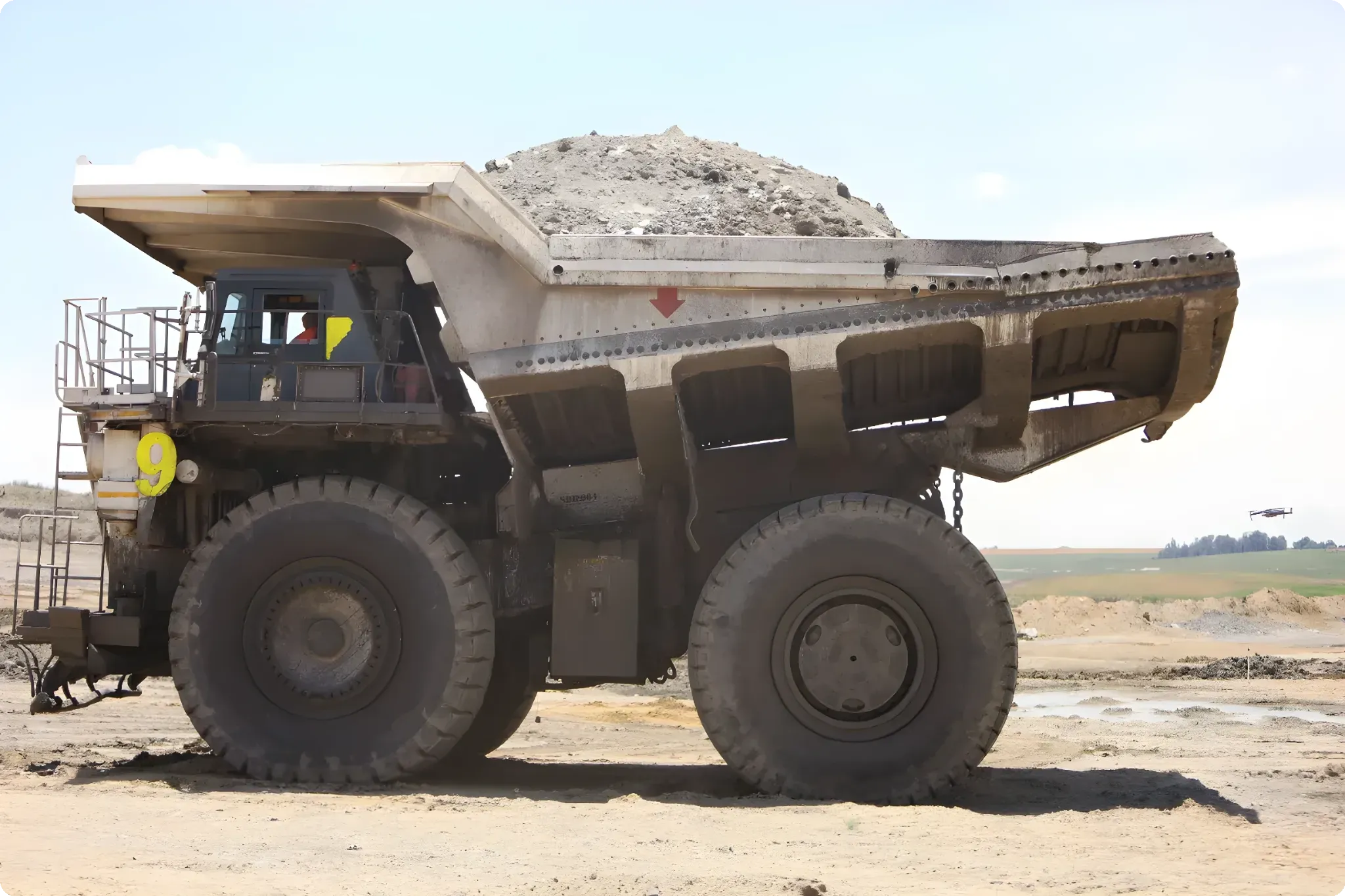
The company already operates a substantial owner-managed open-pit fleet to support its three active mining pits. Publicly available information shows that this fleet comprises large hydraulic excavators, rigid haul trucks, wheel loaders, bulldozers, motor graders, drill rigs, water carts and a range of auxiliary support equipment that collectively deliver the high-volume material movement required in surface mining. These assets continue to be supported by existing asset finance facilities valued at approximately US$56.2 million, ensuring uninterrupted open-pit production during the transition.
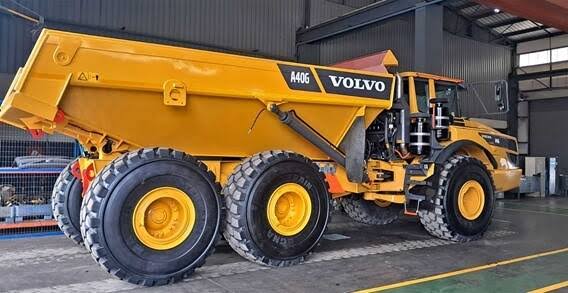
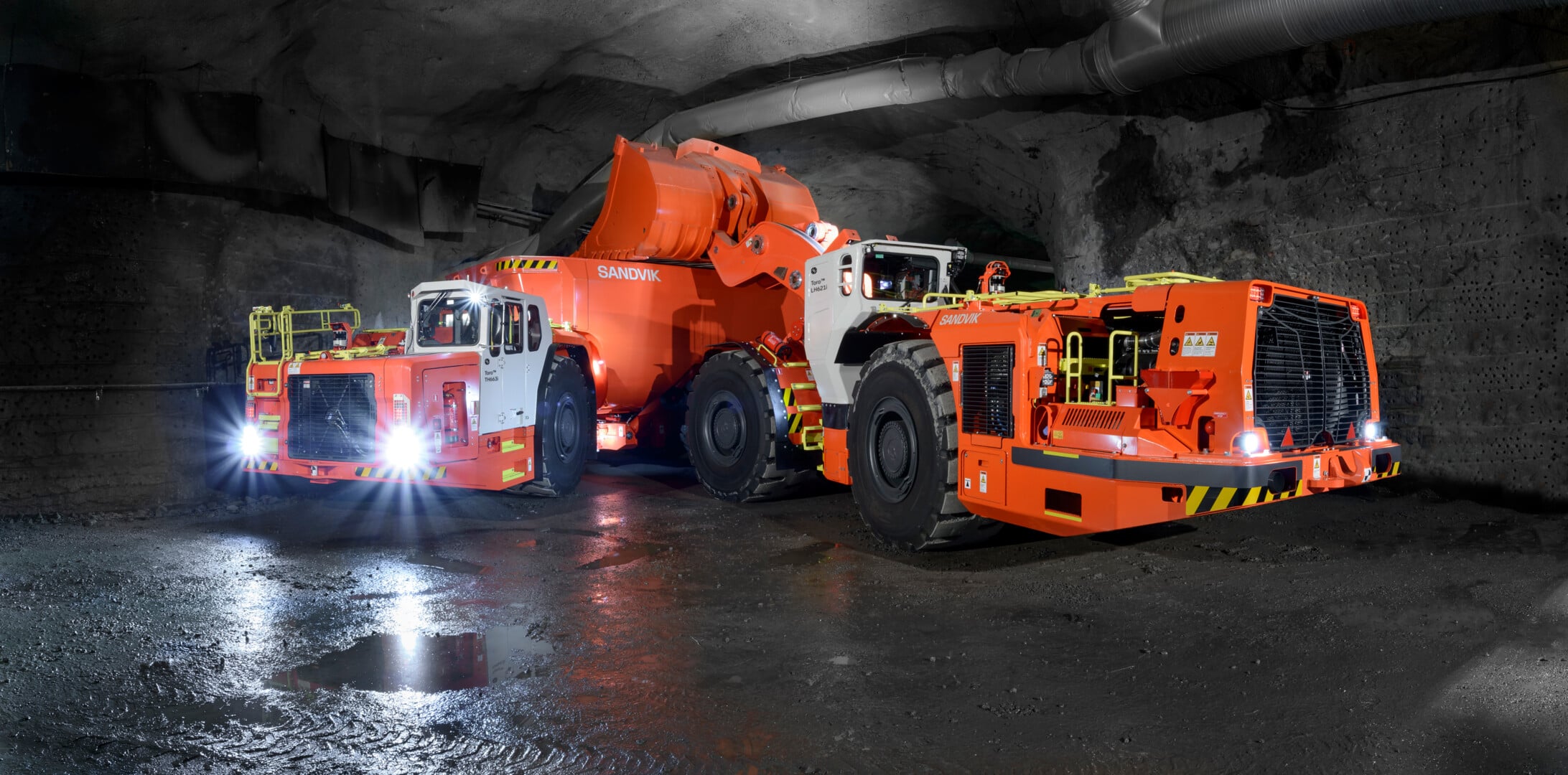
The underground operation requires a completely different equipment philosophy. Tharisa has engaged Cementation Africa as its underground mining contractor, with the project built around a modern mechanized trackless mining fleet designed for bord-and-pillar mining. Industry reports indicate that the underground fleet includes low-profile load-haul-dump loaders, underground haul trucks, twin-boom development drill rigs, roof bolters, shotcrete spraying equipment, concrete transmixers, scissor lifts, underground graders and various specialized utility vehicles required to support safe and efficient underground production.
Publicly available project information also suggests that the Apollo underground development alone will eventually utilize a fleet of approximately 140 underground machines, reflecting the scale of the investment required to establish a high-capacity mechanized mining operation beneath the existing open pit.
The choice of mining method is equally significant. Rather than adopting conventional deep-level mining techniques commonly associated with South Africa’s platinum sector, Tharisa is developing a mechanised bord-and-pillar operation that takes advantage of the relatively shallow geometry of its orebody. This approach is expected to improve productivity, reduce development time and lower operating costs while providing greater operational flexibility throughout the life of the mine.
Fleet selection has also been guided by the company’s broader sustainability objectives. Tharisa has stated that the underground equipment has been selected with an emphasis on improved energy efficiency, lower emissions and enhanced operator safety. These considerations form part of the company’s long-term sustainability strategy, which includes a commitment to achieving carbon neutrality by 2050.
The Nedbank financing builds on a series of significant funding transactions completed over the past two years. In 2025, Tharisa secured a US$130 million debt package from Absa Bank and Standard Bank, comprising an US$80 million term loan, a US$20 million accordion option and a US$50 million revolving credit facility. Earlier this year, the company further strengthened its liquidity through enhanced revolving trade finance facilities provided by HSBC and Absa, supporting both pre-shipment and post-shipment commodity financing requirements.
Commenting on the latest financing, Chief Financial Officer Michael Jones said, “This facility with Nedbank is a testament to the strength of Tharisa’s balance sheet, our operational track record, and the confidence our financial partners place in the long-term value of this business. Securing full funding for our underground fleet is a critical enabler of our transition strategy, and we look forward to progressing this next chapter of Tharisa’s growth with the certainty and conviction our shareholders expect.”
The transaction highlights a broader trend across the global mining industry, where financing is increasingly being aligned with long-term asset strategies rather than simply replacing equipment. As mining companies seek to unlock deeper resources, extend mine life and improve environmental performance, investment in modern underground fleets is becoming a strategic differentiator. For Tharisa, securing dedicated funding for its underground equipment provides both operational certainty and the financial flexibility needed to execute one of the most significant transitions in the company’s history.