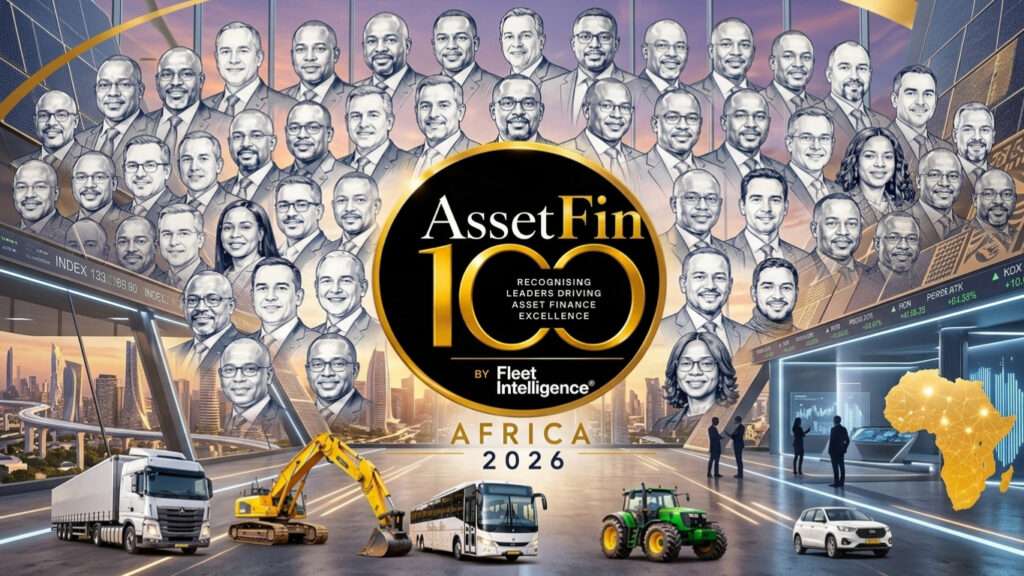
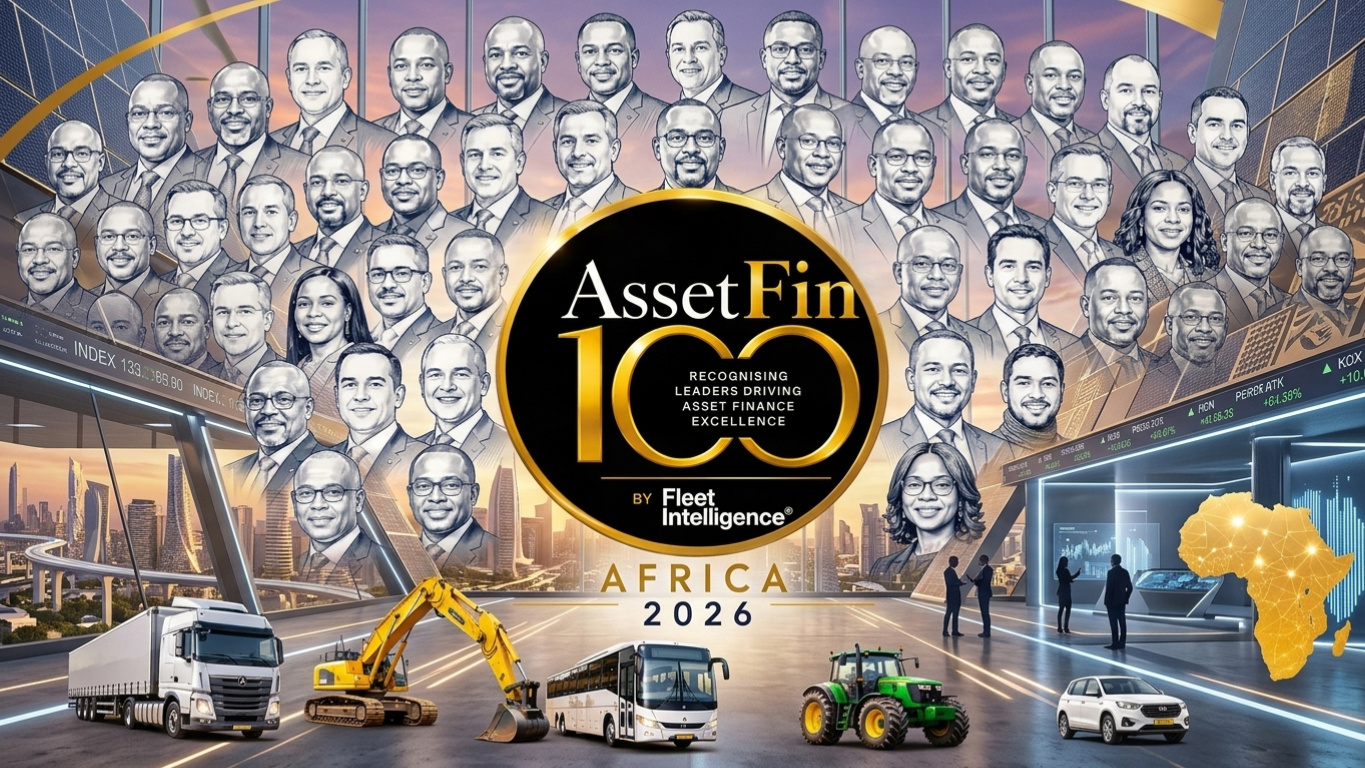
AssetFin100 2026 Presented by
About the sponsor

Interested in sponsoring AssetFin100 2026 as presenting sponsor?

The journal

Inside this edition

Lead story, 4 min readInside the AssetFin100 Class of 2026Financing Africa's Productive Assets Across the African continent, a profound economic transformation is quietly unfolding right on the…Read the story

Opinion & Commentary

  1. 02The Tools of Growth: Why Productive Assets are South Africa's Most Underutilized Economic LeverSouth Africa's economy grew by 1.1% in 2025, reflecting modest progress, yet more than triple the pre-pandemic 2019…5 min
  2. 03The African Vehicle and Equipment Finance MarketAfrica’s vehicle and equipment finance market is undergoing a major structural transformation. Traditional banks are forming tight loops…4 min
  3. 04Financing Structures: More Than a Vehicle LoanAsk a fleet owner how a truck was financed and the answer is usually a number: the interest…21 min
  4. 05The Cost of Capital: Africa’s Uneven Price of MoneyAn identical commercial vehicle acquired by a fleet operator in Casablanca and another purchased by an enterprise in…5 min
  5. 06Transformation: Bank Structural Paradigms and Telematics are Unlocking OpportunityThe global equipment and vehicle finance sector is undergoing a profound structural evolution. According to recent global market…2 min

Regions

  1. 07Who is Financing East Africa’s Wheels?AssetFin100 Africa 2026 Year in Review · November 2026 East Africa entered 2026 with a substantial investment requirement.…18 min
  2. 08West Africa: Financing Through VolatilityAssetFin100 Africa 2026 Year in Review · November 2026   West Africa's fleet and asset finance market is…24 min
  3. 09South Africa: Financing Industry, Fleets and the Next Generation of AssetsAssetFin100 Africa 2026 Year in Review · November 2026 South Africa's asset-finance market in 2026 was shaped by…19 min
  4. 10North Africa: Financing the Industrial AmbitionNorth Africa’s fleet and asset finance market in 2026 is being shaped by three distinct industrial models. Egypt…21 min

People

  1. 11The US$21M Exit: How Ladi Delano Forgave a "Nation's" DebtThe gridlock of Lagos is not just a traffic jam; it is a loud, breathing economy. For years,…3 min
  2. 12The Ecosystem Architect: How Belon Etimba Re-engineered Cameroonian LogisticsTo understand how a man learns to look at a multi-million dollar fleet of broken down heavy trucks…3 min
  3. 13The Billion-Rand Rewire: Charl Potgieter's Revolution on the South African Showroom FloorSouth Africa’s automotive ecosystem is undergoing an aggressive structural transition. Faced with shifting consumer affordability dynamics, the entrance…3 min
  4. 14The Zero-Capex Man: Christian Wessels Cleaning up the African Factory YardIndustrial supply chains across Sub-Saharan Africa are facing a quiet, expensive crisis behind the warehouse gates. For decades,…2 min
  5. 15The Liquidity Matrix: How Talal El Ayat Keeps Egyptian Enterprise FluidIn Egypt’s non-banking financial institutions (NBFI) sector, few leaders have had as direct an impact on equipping businesses…2 min
  6. 16Mike Honiball and Lifting the Hood on Heavy Transport CreditOn the long, punishing descent down Van Reenen’s Pass—the mountain spine connecting Johannesburg's industrial hubs to the container…2 min
  7. 17How Jenny Gill is Re-Anchoring Southern African LeasingIn the corporate financial architecture of Southern Africa, lasting institutions are rarely built by checking boxes from the…2 min
  8. 18Rajiv Gungah: Steering Sustainable Asset Finance in MauritiusWith a career spanning four decades at the Mauritius Commercial Bank (MCB) Group, Rajiv "Raj" Gungah has established…2 min
  9. 19Jacqui Carr: Three Decades Steering Southern Africa’s Fleet Industry Through TransformationIn an industry defined by capital intensity, shifting regulatory landscapes, and rapid technological disruption, sustained executive continuity is…2 min
  10. 20Justin Thomas: Driving Digital Transformation in Commercial MobilityAs South Africa’s logistics, transport, and commercial sectors navigate rising operating costs and rapid technological change, fleet management…2 min
  11. 21Driving Resilience and Total Solutions: Inside Nina Bratlie’s Vision for Volvo Financial Services South AfricaNina Bratlie serves as the Managing Director of Volvo Financial Services (VFS) South Africa, a role she assumed…1 min
  12. 22Johan Taljaard: Driving the Shift to Asset Leasing in East AfricaIn East Africa’s corporate landscape, where businesses have historically favored outright asset ownership over flexible financing, Johan Taljaard…1 min
  13. 23Steering Corporate Mobility: How Hisham Helmy is Modernizing Fleet Leasing in EgyptAs multinational enterprises in Egypt increasingly shift from vehicle ownership to outsourced mobility, GB Auto Rental Managing Director…2 min
  14. 24Ahmed El Tobgy: Steering the Next Phase of Growth at GlobalCorp’s Leasing ArmIn Egypt’s rapidly evolving non-banking financial services (NBFS) sector, seasoned leadership often serves as the decisive edge between…2 min
  15. 25Leading Growth in Mauritian Consumer Finance: A Profile of Simla Daby-SohunIn Mauritius’s evolving financial services sector, building a competitive consumer credit and leasing division from the ground up…1 min

The people behind the industry

Honorees

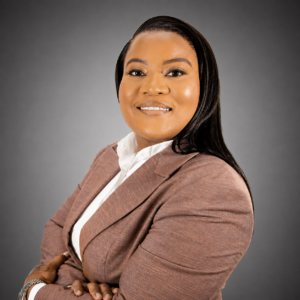
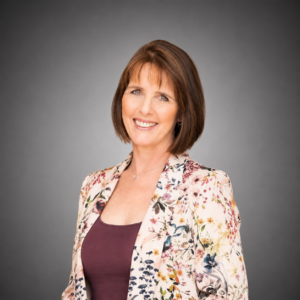
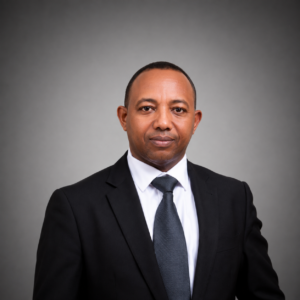
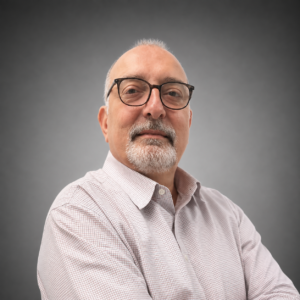
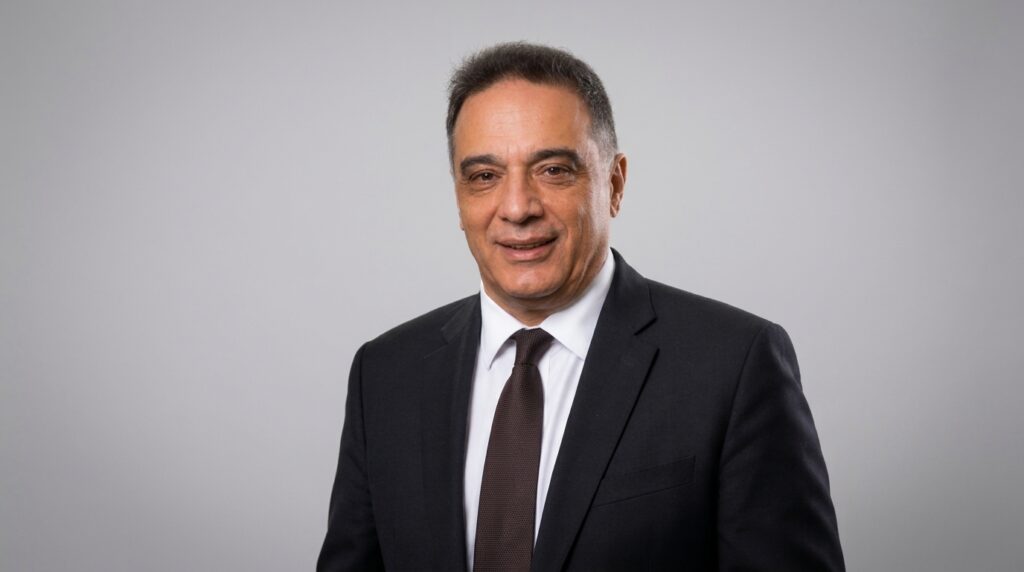
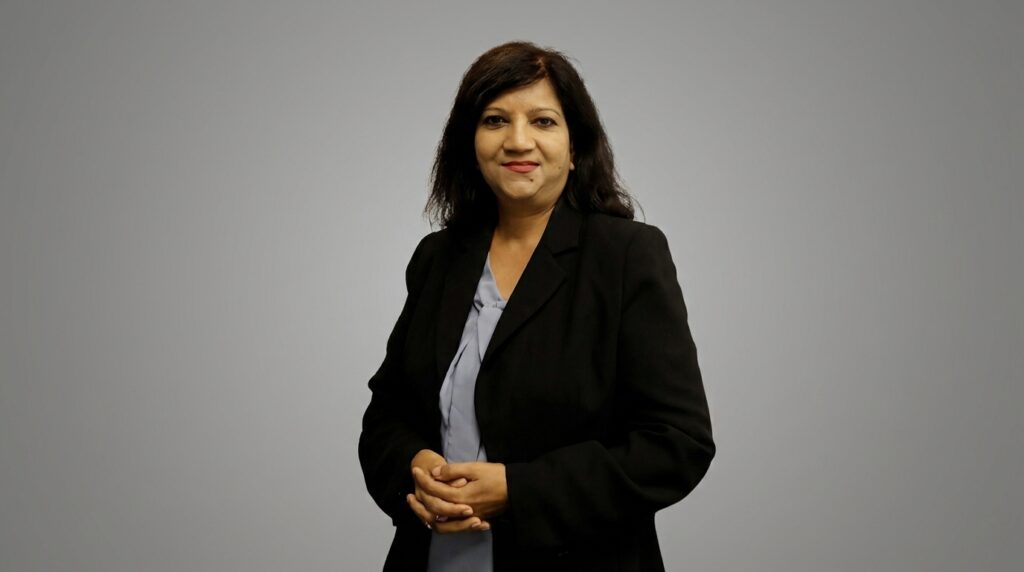
Rajiv GungahRajiv GungahManaging DirectorMCB LeasingMauritiusCharl PotgieterCharl PotgieterAbsa Vehicle and Asset FinanceKhantse RadebeKhantse RadebeWesbankJacqui CarrJacqui CarrEqstraJustin ThomasJustin ThomasExecutive Head, Fleet ManagementStandard BankSouth AfricaMike HoniballMike HoniballDaimler Truck Financial ServicesNina BratlieNina BratlieManaging DirectorVolvo Financial Services South AfricaSouth AfricaJohan TaljaardJohan TaljaardExecutive DirectorRentWorks East AfricaKenyaMehdi SlimaniMehdi SlimaniManaging DirectorLOXEA NigeriaNigeriaEric FulcheriEric FulcheriGeneral ManagerArval MoroccoMoroccoHisham HelmyHisham HelmyManaging DirectorGB Auto RentalEgyptAhmed El TobgyAhmed El TobgyGlobalCorp Financial ServicesTalal El AyatTalal El AyatEFG Corp-SolutionsYoussef AdouanYoussef AdouanDirector GeneralSaham LeasingMoroccoAzeddine GuessousAzeddine GuessousMaghrebailIkenna OkaforIkenna OkaforManaging Director & Chief Executive OfficerKeves Global LeasingNigeriaEbehiriere Ehi-OmoikeEbehiriere Ehi-OmoikeLECON FinanceDriss FedoulDriss FedoulWafasalafAbdelhakim DjebarniAbdelhakim DjebarniDirector GeneralArab Leasing CorporationAlgeriaJean Joachim Diaga BasseJean Joachim Diaga BasseBNDEThouraya MzoughiThouraya MzoughiBH LeasingDr. Abdoulaye Kouafilann SoryDr. Abdoulaye Kouafilann SoryFidelis FinancePaul WilsonPaul WilsonCo-Founder & Chief Operating OfficerFlotCôte d'IvoireFélix NkundimanaFélix NkundimanaChief Executive Officer & Co-FounderJALI FinanceRwandaAmanda von WiellighAmanda von WiellighBank WindhoekYao Inyeza GuemediYao Inyeza GuemediAdministrateur-Directeur GénéralAfrican Lease GroupTogoJérôme de VillardJérôme de VillardNOVAGOLadi DelanoLadi DelanoCo-Founder & Chief Executive OfficerMooveMostafa AdelMostafa AdelChief Executive Officer, Mortgage, Leasing & FactoringContact Financial HoldingEgyptIkechukwu Edwin ChiobiIkechukwu Edwin ChiobiLeasafricSimla Daby-SohunSimla Daby-SohunRogers CapitalTarek AzmyTarek AzmyCorpleaseRobert NyasimiRobert NyasimiRentCoLenin UgojiLenin UgojiC&I LeasingEl Amine SenouciEl Amine SenouciMaghreb LeasingAdetayo BamiduroAdetayo BamiduroMAXMichael WilkersonMichael WilkersonTugendeGregory CostamagnaGregory CostamagnaGozemKaushik BurmanKaushik BurmanSpiroJit BhattacharyaJit BhattacharyaBasiGoBrian NjauBrian NjauM-KOPAAndris KanepsAndris KanepsWatu CreditJanet KuteliJanet KuteliFortune CreditJean HassanJean HassanSeyLeaseThenjiwe TsabedzeThenjiwe TsabedzeAfrirentChristian WesselsChristian WesselsCo-Founder and Chief Executive OfficerBisedgeSouth Africa / Pan-AfricanJenny GillJenny GillManaging DirectorCentrafinSouth AfricaNico BohayNico BohayEFAfrica GroupPaul RichardsPaul RichardsChief Executive OfficerAgLeaseCoZambiaKimani NjagiKimani NjagiHead of Vehicle and Asset FinanceStanbic BankKenyaZouhaier TambouraZouhaier TambouraArab Tunisian LeaseMohamed-Hechmi DjilaniMohamed-Hechmi DjilaniDirector GeneralHannibal LeaseTunisiaHichem ZghalHichem ZghalTunisia Leasing & FactoringLennox MugambiLennox MugambiNCBABelon Ebeya EtimbaBelon Ebeya EtimbaLOXEA

Introduction 4 MIN READ 10 November 2026

Inside the AssetFin100 Class of 2026

Financing Africa's Productive Assets
Across the African continent, a profound economic transformation is quietly unfolding right on the showroom floor. Facing punitive borrowing costs, persistent inflation, and severe currency volatility, African enterprises are staged at a critical crossroads: they desperately need trucks to move freight, tractors to cultivate land, and machinery to power industries, yet outright ownership is rapidly turning into an expensive liability.
Welcome to the AssetFin100 Africa 2026, an annual recognition census of executives making an impact, published by Fleet Intelligence. We honor the vanguard of visionary executives who are aggressively shifting the continental commercial landscape from a model of financing assets to one of financing productivity. By engineering flexible leasing models, securitizing portfolios, and establishing unprecedented point-of-sale bank-distributor alliances, these leaders are proving that corporate growth no longer requires choking vast amounts of working capital into depreciating iron.

The Capital Market Pioneers: Deepening Corporate Funding

For specialist leasing firms, funding has historically been a zero-sum game tied to short-term bank credit lines. In South Africa, Jenny Gill, Managing Director of Centrafin, completely rewrote the capital allocation playbook by launching a R3 billion (US$174 million) JSE-listed lease-receivables securitization programme. Centrafin’s inaugural R790 million tranche was oversubscribed 1.5 times, proving that institutional investors like pension funds and insurers are hungry to back the predictable cash flows of asset contracts. Under Gill’s leadership, Centrafin has originated over R8 billion in cumulative asset finance, single-handedly bridging the SME funding gap for plant, mining, and freight equipment.
Further north, Hichem Zghal, at the helm of Tunisie Leasing & Factoring (TLF), consolidated his institution's spot as Tunisia's market anchor. In the first half of 2026 alone, Zghal steered the company to activate TND 262.5 million (US$87.3 million) in new leasing contracts, pushing total leasing commitments past the TND 1 billion threshold. Critically, Zghal achieved this aggressive growth while strictly tightening credit metrics, bringing the firm's classified-assets ratio down to a resilient 7.78% amidst a demanding domestic credit cycle.
Simultaneously, Zouhaier Tamboura, Director General of Arab Tunisian Lease (ATL), utilized local bond markets to scale operations, registering a staggering 13.4% year-on-year growth in activated contracts during the first nine months of 2026.

The Sustainability Pioneers: Monetizing the Green Transition

The 2026 honorees have demonstrated that sustainable mobility is no longer an environmental public-relations exercise—it is a highly profitable asset class. In Mauritius, Rajiv Gungah, Managing Director of MCB Leasing, achieved an extraordinary feat: expanding his firm's green lease portfolio from MUR 383.3 million to MUR 1.349 billion (US$28.5 million) in under a year. Green financing now represents a massive 44% of MCB Leasing’s total disbursements, proving that island and maritime economies can rapidly transition to electric commercial fleets and marine assets when backed by specialized underwriting.
In East Africa’s highly competitive arena, Jit Bhattacharya, CEO of BasiGo, has pioneered the highly disruptive "Pay-As-You-Drive" model. Recognizing that an electric bus costs roughly 50% more upfront than a diesel counterpart, Bhattacharya unbundled the transaction. Operators purchase the bus shell at conventional prices and pay a fluid, per-kilometer fee covering battery leasing, charging, and maintenance. By August 2026, Bhattacharya parlayed this tech-enabled structure into a landmark alliance with banking giant NCBA to finance 1,000 locally assembled electric buses, structurally transforming public transport economics in Kenya and Rwanda.

The Distribution Matrix: Shortening the Distance to the Asset

In West and East Africa, the defining strategic playbook of 2026 is the erasure of the distance between the customer showroom and the loan officer. Belon Ebeya Etimba, leading LOXEA Cameroun (a subsidiary of CFAO Mobility), has revolutionized commercial logistics across the Gulf of Guinea. Etimba transitioned LOXEA from a traditional vehicle lessor into a full-service operational ecosystem. Under his tenure, heavy-duty fleets like SINOTRUK HOHAN tractor units and LOVOL agricultural machinery are deployed with maintenance, insurance, telemetry tracking, and end-of-lifecycle resale wrapped entirely into a single predictable monthly payment.
In Kenya, Lennox Mugambi, Group Director for Asset Finance and Business Solutions at NCBA Group, successfully defended the bank’s dominant 35.4% share of the domestic hire-purchase market. Mugambi built aggressive point-of-sale alliances with major distributors like Mobikey, Inchcape, and CFAO, offering up to 100% financing for new assets and expanding the bank's reach directly into harvest-aligned seasonal repayment plans for agricultural tractors. Crucially, Mugambi's operational footprint is poised for massive expansion following Nedbank's historic acquisition of a 66% controlling stake in NCBA in late 2026, combining South African capital muscle with East Africa's most formidable asset-finance engine.

The Ride-Hailing Reformers & Industrial Enforcers

Where traditional bank financing remains rigid, agile non-bank and fintech platforms have stepped in to democratize asset ownership. Paul Wilson, Co-Founder and Chief Operating Officer of Ivorian platform Flot, engineered a digital lease-to-own matrix for professional ride-hailing drivers and mobility entrepreneurs. Backed by seed capital from CDC-CI Capital, Wilson's platform swaps traditional real-estate collateral requirements for behavioral analytics, using mobile payment streams and telematics data to underwrite risk.
On the macroeconomic end of the spectrum, leaders of large-scale infrastructure funds and corporate cross-border fleets have standard-set regional logistics. El Amine Senouci, Chief Executive of Maghreb Leasing Algérie (MLA), has deployed over DZD 180 billion (US$1.3 billion) in cumulative financing over his firm's tenure. Senouci closed a vital DZD 4 billion bond issue at the tail end of recent cycles, intentionally injecting long-term liquid capital into small and medium-sized Algerian enterprises trying to access local-assembly heavy vehicles like the MAN TGS series.

A New Chapter for Continental Capital

The continent’s premier financial executives are no longer passive underwriters of collateral. Faced with high sovereign yields that compete for bank balance sheets, the honorees of the 2026 class have succeeded because they intimately understand the real-world utility of the machinery they fund.
Whether it is a tipper truck on a tea plantation in Kericho, a container handler at Tanger Med, or a commuter bus weaving through Dakar, these leaders are tying debt service directly to the revenue-generating cycles of the African continent. In doing so, they are building a more resilient, asset-light, and sustainably powered economic future.

Opinion & Commentary 5 MIN READ 11 August 2026

The Tools of Growth: Why Productive Assets are South Africa's Most Underutilized Economic Lever

South Africa's economy grew by 1.1% in 2025, reflecting modest progress, yet more than triple the pre-pandemic 2019 average growth rate of 0.3% and an improvement from 0.5% growth recorded in 2024. By sector, agriculture led the way, contributing the most among goods-producing sectors, with growth of 17.4% in 2025. Mining bounced back and gained momentum in the second half of 2025, a trend that has carried into the first quarter of 2026, underpinned by higher commodity prices. The transport sector also recorded modest growth, supported by improved rail freight activity, while road freight volumes remained marginally below 2024 levels. In pockets of the country, smaller enterprises in retail, manufacturing and services are generating activity and employment in ways the headline GDP figures struggle to capture fully. "South Africa's growth story is becoming more distributed," says Khantse Radebe, CEO of Asset Based Finance at WesBank. "Small and Medium Enterprises now account for an estimated 40% of GDP and employ between half to two-thirds of the workforce. The engine beneath the economy At the heart of what enables businesses to operate, compete and scale lies a category of investment that does not always receive the attention it deserves: productive assets. These are the revenue-generating tools of an economy, tractors and harvesters on farms; extraction equipment in mines; yellow metal machinery on construction sites; processing and packaging equipment in factories; and refrigeration units and shop fittings in the retail and service sectors. The link between access to productive assets and economic participation is direct. For large corporates with established balance sheets and audit histories, acquiring these assets through traditional financing is relatively straightforward. For smaller enterprises, the path has historically been far more difficult. This is where asset-based finance plays a structural role, enabling businesses to preserve cash by funding productive, revenue-generating assets over the long term while retaining liquidity for day-to-day working capital needs. A sector-by-sector opportunity The breadth of that opportunity is visible across South Africa's productive economy. The cumulative effect of thousands of businesses gaining access to commercial ovens, refrigeration units or delivery vehicles is substantial, both for employment creation and for broader economic circulation. In Agriculture, the sector's strong performance in 2025 translated directly into demand for equipment: tractor sales rose by 21.3% year-on-year in the first half of 2025, while combine harvester sales grew by 29.8% over the same period. Agricultural exports reached US$15.13 billion in 2025, reflecting a supportive external environment. The two-year zero-tariff window on South African agricultural exports to China provides an additional growth opportunity. Construction tells a more challenging story. The sector has now recorded nine consecutive years of decline in gross value-added and continues to face persistent structural headwinds. Yet this is precisely where infrastructure investment becomes catalytic. The 2026 Budget allocates R21.9 billion through the Budget Facility for Infrastructure, targeting freight corridor restoration and rail capacity, alongside continued investment in the national road network. Activity at this scale creates sustained demand for construction equipment and for the financing mechanisms that put it to work. Mining, which contributes 4.4% to GDP and remains central to South Africa's export revenues, is a capital-intensive sector in which productive assets are not optional. Extraction equipment, processing machinery and bulk transport infrastructure are the baseline requirements for participation. For contract mining operators and junior miners seeking to enter or expand, access to asset finance is a competitive advantage. The transport sector remains critical for the South African economy, accounting for around 5% of GDP. Activities in this sector span rail transport, land transport, water transport and air transport. Productive assets in rail transport include locomotive and freight wagons as well as rail infrastructure, while road freight and logistics depend on heavy-duty trucks and trailers, delivery vans and light commercial vehicles. These assets are long-lived and capital-intensive, and directly determine productivity, throughput and cost efficiency across the transport value chain. Mechanisation and competitiveness Investing in mechanisation allows businesses to meaningfully participate in the economy and competitive value chains. A farmer that engages mechanisation and precision farming creates resilience and predictable harvests, ultimately culminating into more sustainable cashflows. A manufacturer with modern processing equipment can compete for contracts that would otherwise be inaccessible or uncompetitive. This extends to climate favourable forms of mechanisation, such as electric solar-powered equipment, electric forklifts, and other lower-emission technologies, which are emerging as alternative responses to both cost pressures, climate sensitive down-stream markets and broader environmental considerations. Closing the access gap The challenge of SME financing in South Africa is well-documented. Historically, smaller businesses have been underserved by traditional credit frameworks that rely heavily on audited financial statements and lengthy processes. To address this, we have invested in building strong data-driven and behavioural lending models that draw on a broader set of financial signals, cash flow patterns, transaction histories and sector performance. These insights enable us to develop a more accurate picture of our customers, informing how we serve them and allowing us to provide the right support at every stage of their growth journey. By deepening our partnerships with development finance institutions, we can extend the reach of private financing-further into underserved segments. Equally important is the structuring of finance itself. Aligning loan terms to the productive lifespan of an asset, and calibrating repayments to a business's cash flow cycle, is not merely a technical consideration it is the difference between a loan that enables growth and one that undermines it. "Asset Based finance is not simply a product," says Radebe. "At its best, it is an advisory relationship. We are often introducing smaller businesses to formal financial leverage for the first time. Getting the structure right from the outset, matching the finance term to the asset's useful life and managing cash flow impact is part of what we do." The path ahead South Africa's logistics infrastructure illustrates the interconnected nature of these challenges. Rail freight volumes grew by 5.5% in 2024/25, reversing years of decline, and government's R76.6 billion investment commitment to the logistics value chain over the coming three years signals a serious intent to restore freight rail as a viable artery for productive sectors. As rail capacity recovers, the dynamics for road transport, mining operators and agricultural exporters will shift and asset finance will be a catalyst. The businesses and sectors capable of driving South Africa's next growth chapter are already active. The National Development Plan's target of SMEs contributing 90% of 11 million new jobs by 2030 is ambitious but it is grounded in a realistic assessment of where growth must come from. Meeting that target requires capital, and capital requires access to finance. "The productive capacity of this economy will not be unlocked by large institutions alone," says Radebe. It will be unlocked business by business, asset by asset, in every sector where someone has the ambition to grow and the right financing structure to do it. Our role has been to make access to finance simpler, while reinforcing asset-based finance as a key lever for stimulating economic growth.

Opinion & Commentary 4 MIN READ 3 November 2026

The African Vehicle and Equipment Finance Market

Africa’s vehicle and equipment finance market is undergoing a major structural transformation. Traditional banks are forming tight loops with vehicle distributors, equipment dealers are integrating with alternative credit lenders, and asset lessors are embedding themselves directly into commercial routes to market. This evolution is fundamentally a response to a deep asset deficit. The continent's organic demand for commercial vehicles, agricultural tractors, infrastructure machinery, and logistics fleets heavily outstrips its historical capacity to finance them under conventional banking guidelines. Persistent headwinds like steep local borrowing rates, intense currency volatility, and structural limits on long-term credit lines mean that businesses must adopt integrated asset financing models. Finance is now routinely bundled tightly with the physical machinery, manufacturer ecosystems, and specialized tracking software. The latest data from the official AssetFin100 Africa Journal highlights key institutional developments shaping this high-growth landscape, which is heavily regulated by evolving legal architectures across regional financial capitals.
The expansion of specialist leasing is one of the clearest signs of the market’s development. Leasing institutions are increasingly financing a wider range of productive assets, while building funding structures that allow businesses to use equipment without committing all their capital to ownership. In Mauritius, MCB Leasing, led by Rajiv Gungah, illustrates the scale of this transition. Its combined finance and operating lease portfolio reached MUR 5.857 billion, roughly equivalent to ninety-three point five million US dollars a year earlier, representing an organic growth rate of approximately thirty-two percent. Its deposit base expanded by thirty-eight point two percent to MUR 5.875 billion, providing additional funding capacity for portfolio expansion. The more striking development was the growth of its green lease portfolio, which rose from MUR 383.3 million to MUR 1.349 billion. Green financing accounted for forty-four percent of total lease disbursements during the year, supporting sustainable mobility infrastructure.
The operations of these specialized leasing companies are governed by distinct statutory tiers designed to control systemic credit risk. In North Africa, for example, Hannibal Lease, led by Mohamed-Hechmi Djilani, has built a substantial rolling-stock portfolio. At the end of 2025, its rolling-stock exposure stood at approximately TND 520 million, anchoring over eighty percent of its overall lease portfolio. The company generated TND 366 million in new leasing production during the year and raised TND 40 million through its HL 2025-1 bond programme. Tunisie Leasing & Factoring, under Hichem Zghal, also recorded substantial activity, delivering TND 262.5 million in new first-half leasing production. Total commitments surpassed TND 1 billion, while its classified-assets ratio successfully compressed down to seven point seventy-eight percent. This explicit push to reduce non-performing receivables is driven directly by Central Bank of Tunisia prudential updates, such as the revised provisioning formulas under BCT Circular 2024-01. Meanwhile, Arab Tunisian Lease, led by Zouhaier Tamboura, logged first-quarter approvals of TND 154.9 million and total active commitments of TND 767.6 million, backed by robust bond placement strategies. During the first nine months of the year, the country's collective leasing market reached TND 1.76 billion, led by Tunisie Leasing & Factoring at TND 388.3 million, followed closely by Arab Tunisian Lease at TND 341.5 million and CIL at TND 332.2 million.
South Africa offers a particularly important development in the funding architecture of asset finance, where specialist institutions are looking beyond traditional bank balance sheets. Centrafin, led by Jenny Gill, altered regional funding architecture benchmarks by launching a R3 billion securitization programme listed on the JSE. The opening tranche alone secured R790 million and closed out one point five times oversubscribed. This programmatic securitization of lease receivables is heavily governed by the Securitisation Regulations of the Banks Act 1990, under the strict oversight of the South African Reserve Bank. For these asset-backed securities to be legally recognized, they must strictly comply with Simple, Transparent, and Comparable criteria, which mandates an absolute true-sale legal transfer via unconditional cession to an independent Special Purpose Vehicle. This legal isolation protects investors from the originator's credit risk and packages the predictable cash flow streams of heavy trucks, mining machinery, and material handling plant assets into listed capital market securities. It offers institutional investors and pension funds a direct, investable asset class while expanding the originator’s deployment capacity.
In East Africa, structural expansion is driven by direct risk-sharing and co-branding partnerships between commercial lenders and equipment importers, heavily enabled by the modernization of centralized Moveable Property Security Registries. A primary case study is the corporate alliance between East Africa's leading asset financier, NCBA Group, and Mobikey Truck & Bus, a program directed by regional leader Lennox Mugambi. Modern notice-based collateral priority laws grant financiers undisputed claims over mobile equipment using unique identifiers like chassis stamps. This framework drastically accelerates peaceful repossession and auction times during a commercial default, bypassing multi-year civil litigation delays. This clear legal protection gives commercial banks the confidence to offer aggressive underwriting terms, including zero-deposit options and up to one hundred percent financing for qualified buyers targeting brand-new commercial assets from tier-one manufacturers like MAN Trucks, MAN Buses, Randon Trailers, and Hyundai Construction equipment. For secondary commercial markets, the agreement extends up to eighty percent financing on verified, qualifying used units. To ease cash flow constraints for fleet operators, the financial package incorporates a flexible sixty-day repayment moratorium at launch alongside competitive processing fees, options to bundle comprehensive insurance premiums directly inside the core loan balance, and an adaptive electric mobility component supporting the initial rollout of fifteen electric tipper trucks for heavy commercial industrial applications.

Opinion & Commentary 21 MIN READ 4 November 2026

Financing Structures: More Than a Vehicle Loan

Ask a fleet owner how a truck was financed and the answer is usually a number: the interest rate. Ask the lender and the answer is a structure: the deposit, the tenor, the balloon, who holds title, who carries the residual value, who services the vehicle, and what happens when the income behind it stops. October 2026 produced two events that show why the second conversation matters. In Kenya, Nedbank took a 66% controlling stake in NCBA, the country’s leading hire-purchase lender, in a deal valued at about R13.9 billion (roughly US$856 million), with shares transferring on 3 November. In Nigeria, Moove, the mobility finance company that had raised more than US$710 million, announced it was closing its local operations a month after Uber left the market, handing vehicles worth about ₦35 billion to the drivers using them. One was a bank buying scale in asset finance. The other was a financing model unwound by its own structure: income tied to a single platform and, according to reports, dollar-denominated funding set against naira earnings. This article looks at the structures behind African vehicle finance, the numbers that describe them, and what each choice does to cash flow, risk and the productive use of the asset.

The market in numbers

The global context is a reminder of how much room Africa has to grow.
Africa in the global leasing market
96%
96% of 2024 global leasing volume: North America, Europe and Asia 4% for every other region, Africa included
US$1,538.8bnglobal new leasing business, 2024
+63%growth over a decade
73%share of the top five countries
0.5%Africa’s share of volume in the 2016 edition (US$5.4bn)
Source: Solifi 2026 Global Leasing Report; 2016 edition for the Africa share.
  • The global leasing industry wrote US$1,538.8 billion of new business in 2024, 63% more than a decade earlier, according to the 2026 Solifi Global Leasing Report. North America, Europe and Asia account for 96% of that volume and five countries for 73%. Everything else, Africa included, shares the remaining 4%.
  • Africa’s position has been small for some time. The 2016 edition of the report put the continent at about 0.5% of global volume, or US$5.4 billion, with only South Africa, Morocco, Nigeria and Egypt ranking among the top 50 markets.
There is no single continental dataset for vehicle and asset finance, and national figures are not like-for-like. Egypt’s regulator, for example, counts property leases inside its leasing total. What follows is therefore a set of national snapshots rather than one league table.

South Africa: the deepest market

South Africa remains the continent’s most developed vehicle finance market, and 2026 has been a strong year for it. New-vehicle sales reached 596,818 units in 2025, up 15.7%. The recovery has continued: May 2026 was the strongest month for the market since 2013, July’s passenger-vehicle sales were the highest since September 2014, and August extended the run to 23 consecutive months of year-on-year growth. Cumulative interest-rate cuts since late 2024 have supported vehicle asset finance, and TransUnion reported strong originations in the fourth quarter of 2025. Behind the volume, the shape of the loan is changing. The 72-month term accounted for 72% of deals in 2025, down from 87% in 2020, and Lightstone reported that 89% of buyers were choosing financing of six years or longer. WesBank reported the share of new agreements carrying a balloon payment rising from 27% to 35% between July and August 2025, with the average balloon size climbing from 33% to 37%. The brand mix is shifting too. Chinese brands now hold roughly 22% of the market after sales rose 72% year on year in the second quarter of 2026. Absa’s analysis of 2.56 million finance applications shows their share of SUV finance applications rising from 19% to 40% since 2023, with BYD alone accounting for 61% of electric-vehicle applications. The traditional bakkie Big Four of Ford, Toyota, Nissan and Isuzu saw their share of bakkie finance applications fall from 84% to 75% in three years.
South Africa: the shape of the loan is changing
596,818new vehicles sold in 2025 (+15.7%)
89%of buyers choosing financing of six years or longer
22%market share of Chinese brands
61%BYD’s share of EV finance applications at Absa
EarlierLater
72-month term, share of deals
87% (2020)
72% (2025)
New agreements carrying a balloon
27% (Jul 2025)
35% (Aug 2025)
Average balloon size
33%
37%
Chinese brands, share of SUV finance applications
19% (2023)
40% (2026)
Ford, Toyota, Nissan, Isuzu, share of bakkie finance applications
84%
75% (three years later)
Sources: naamsa, Lightstone, WesBank, Absa and Cars.co.za Industry Report 2026.

Kenya: hire purchase at scale

NCBA reported a 35.4% share of Kenya’s hire-purchase market in April 2026, and about 30% of the wider asset finance market in the first half of the year. Competitors are leaning in. Absa Kenya committed KES 100 billion over three years to a revamped asset finance proposition, with tenors of up to 84 months and financing of up to 100% for selected asset classes. Cheaper credit is part of the story. New-vehicle sales rose about 12% in the first four months of 2026, although imported used vehicles, which Nexdigm estimates at nearly 85% of vehicle purchases, still dominate. The Central Bank Rate stood at 8.75% after its October hold, following ten consecutive cuts since August 2024. Average commercial bank lending rates were 14.8% in January 2026, down from 17.2% in November 2024, while non-performing loans were still 15.5% of gross loans. Electric mobility is growing from a small base: more than 24,700 electric vehicles were registered by early 2026, about 31 times the 2022 level.
Kenya: hire purchase, cheaper credit and a clean-up still to come
35.4%NCBA’s hire-purchase market share, April 2026
~30%NCBA’s share of asset finance, first half 2026
KES 100bnAbsa’s three-year asset finance commitment
8.75%Central Bank Rate after the October hold
24,700+EVs registered by early 2026, about 31 times 2022
EarlierLater
Average bank lending rate
17.2% (Nov 2024)
14.8% (Jan 2026)
Non-performing loans, share of gross loans
16.5% (Nov 2025)
15.5% (Jan 2026)
Sources: NCBA, Absa Kenya, Central Bank of Kenya as reported by Business Daily; Tech-ish.

North Africa and Mauritius: leasing as an industry

  • Egypt. The Financial Regulatory Authority reported that financial leasing contract values rose about 51% to around EGP 180 billion in 2025, with the number of contracts up 21.7%. But real-estate-related leases made up nearly 80% of that value, so the headline says more about property than vehicles. First-half 2026 contract value was EGP 90.6 billion across 1,045 contracts, up 7.3%.
  • Tunisia. The country’s leasing companies recorded about TND 1.76 billion (roughly US$585 million) of new leasing production in the first nine months of 2026, up 3.8%. Hannibal Lease reported rolling-stock exposure of about TND 520 million, more than four-fifths of its leasing portfolio.
  • Mauritius. MCB Leasing’s combined finance and operating lease portfolio grew about 32% to MUR 5.857 billion (about US$123.9 million) in the year to June 2025, and green financing made up 44% of its lease disbursements.

Nigeria: credit in place of subsidy

Nigeria’s 2026 vehicle finance story is about credit trying to replace subsidy. A September symposium of the Lagos Chamber of Commerce asked whether vehicle financing could replace fuel subsidy as a mobility equalizer. FairMoney’s microfinance bank launched an asset-financing product for mobility entrepreneurs in May, noting that many operators otherwise rely on savings or on informal hire purchase at high rates. Government is targeting more than one million CNG-converted vehicles by 2027, and Lotus Bank signed a partnership to finance conversions and clean-mobility assets.

Operating leases versus finance leases

The vocabulary is used loosely in the market, so it helps to separate the two on the questions that matter: who owns the asset, who carries the residual value, and who is responsible for keeping it running. In a hire purchase or instalment sale, and in most finance leases, the customer carries the economics of ownership. The financier funds the vehicle, takes security over it and is repaid principal and interest. Maintenance, insurance and eventual resale are the customer’s concern, and ownership usually passes at the end, sometimes after a balloon. This is the workhorse structure of the continent: Stanbic Kenya, for instance, offers both hire purchase and finance lease options, and NCBA’s asset finance franchise is built on hire purchase. In an operating lease, the lessor owns the vehicle, prices the rental on its expected value at the end of the term, and typically bundles maintenance, insurance, replacement vehicles and disposal. The customer pays for use. The lessor takes the residual value risk. Accounting no longer separates the two as sharply as it once did. Under IFRS 16, which Egypt’s regulator requires leasing companies to follow, lessees generally bring most leases onto their balance sheets. The choice between leasing and owning is therefore less about keeping debt off the balance sheet and more about who bears risk, and whether the customer wants to run a fleet at all. The evidence from 2026 shows full-service leasing taking hold where usage is predictable and disposal is a distraction:
  • Cameroon. LOXEA combines financing with maintenance, insurance, assistance, replacement vehicles and resale management at the end of a contract. Its deals include SINOTRUK HOHAN trucks, trucks for Plantations du Haut Penja and LOVOL agricultural tractors.
  • Kenya, corporate fleets. Stanbic financed RentWorks East Africa to lease a 69-vehicle fleet to Vivo Energy Kenya on a 48-month agreement in which Caetano Kenya maintains the vehicles and Heritage Insurance covers them. NCBA leases and manages 72 passenger and commercial vehicles for Rubis Energy Kenya.
  • Kenya, electric vehicles. SBM Bank took five BYD plug-in hybrids on lease from Avenue Lease & Rentals rather than buying them, a structure that moves resale-value risk to the lessor. For electric vehicles, where the value of a five-year-old battery is still uncertain, that is the risk that matters most.
  • South Africa and beyond. Zeda, the Avis Budget licensee, reported 7.5% growth in its leasing business in its latest half-year while car sales volumes rose 12.9%. Greater Africa contributed 21.3% of group leasing revenue, with double-digit growth in Ghana, Zambia and Lesotho, and Ghana is the anchor for its West Africa plans.
  • Egypt. One market-research estimate puts operating leases at about 64% of lease revenue in the country’s car rental and fleet management market, because contracts combine asset funding with lifecycle services.
The pattern is consistent. Operating leases win with corporates, institutions and public-sector fleets that prefer operating expenditure, have predictable usage and have little appetite for managing disposals. Finance leases and hire purchase remain the answer for owner-operators who want the asset and the equity in it.

Dealer and manufacturer-backed financing

Finance offered at the point of sale has become a route to market. For a distributor, the ability to quote a monthly instalment on the showroom floor converts enquiries into sales. For a financier, the dealer brings the customer, the vehicle and, increasingly, the after-sales relationship.

Captives and the competition question

In South Africa, banks compete with manufacturer captives such as Toyota Financial Services South Africa, which is owned in equal thirds by FirstRand, TSA Investment Holdings and Toyota Motor Finance UK. The Competition Commission alleged that a shareholder agreement barred WesBank from offering finance to customers buying at authorised Toyota dealerships. The respondents settled for a R30 million penalty in August 2025, and the restrictions on WesBank were removed. The case is a reminder that dealer-floor finance is contested territory, and that exclusivity arrangements between manufacturers and financiers attract regulatory attention.

Bank and distributor alliances in East Africa

In Kenya the dominant form is less the captive than the alliance between a bank and a distributor:
  • Stanbic and CFAO Mobility Kenya: up to 100% financing for eligible personal vehicles and 90% for commercial vehicles, with repayment periods of up to 96 months for qualifying salaried customers and 72 months for business clients.
  • NCBA and Mobikey: up to 100% for qualifying new commercial vehicles, trucks, buses, trailers and equipment, and up to 80% for qualifying used assets.
  • NCBA and Salvador Caetano, and NCBA with CFAO’s leasing arm: premium and electric vehicles, including BYD Shark 6 financing of up to 90% over 60 months for individual buyers.
  • Tractors: NCBA and Inchcape finance New Holland tractors at up to 95% over 60 months with seasonal repayment options and a year of insurance. Co-operative Bank and NCBA both finance Kubota tractors through Car & General, with up to 100% under selected structures at Co-operative Bank and, in the October 2026 NCBA agreement, up to 95% over 60 months with a 60-day repayment holiday. Car & General is targeting 400 tractor sales in Kenya in 2027.
  • Commercial vehicles and assembly: Absa and Equity have both partnered with TransAfrica Motors, and Simba Corporation’s Absa agreement offers up to 95% for commercial vehicles over 72 months, 100% for school buses over 84 months and 90% for tractors over 60 months. Simba has also committed KES 1 billion to a dedicated electric vehicle contract assembly line.
In South Africa, Absa Vehicle and Asset Finance and Foton launched a taxi finance product with instalments starting below R12,000, an example of the same logic aimed at operators rather than households.

What the alliances change

These arrangements shorten the distance between customer, asset and financier. They also move competition onto the terms that matter most to risk. SBM Bank’s Jetour finance asks for a 5% deposit, where Absa and Equity were already lending up to 100%. When deposits vanish and tenors stretch to 84 or 96 months, the lender’s protection rests on what the vehicle will be worth and on the distributor’s willingness to support its resale. That is a live question in South Africa, where finance applications for Chinese brands have doubled in share in three years and the first long-tenor contracts have yet to reach maturity.

Sale-and-leaseback arrangements

In a sale-and-leaseback, an operator sells vehicles or equipment it already owns to a financier or lessor and leases them straight back. The asset keeps working and the operator’s cash position changes overnight. A release from Co-operative Bank and Super Group’s Fleet Africa leasing joint venture in Kenya made the point that such arrangements let organisations shed the heavy cost of carrying assets while keeping the use of them. The structure fits a recognisable set of situations:
  • A balance sheet heavy with ageing assets. Haulage, school-bus and construction operators often hold fleets whose book value is locked up while working capital is short.
  • A refinancing without a new purchase. The operator can swap an expensive, short-tenor loan for a lease whose rentals match the asset’s remaining life.
  • A transition. Moving from owning to leasing, or from diesel to electric, can be funded by selling the old fleet into a lease structure.
It is not a free lunch. Under IFRS 16 the lease liability returns to the operator’s balance sheet, so the benefit is liquidity rather than concealment. The price at which the asset is sold, the rental, the term, who carries maintenance and what happens at the end all have to be set, and the financier is underwriting both the operator’s credit and the asset’s value. Title transfer, registration and tax costs also need checking in each market. Public data on sale-and-leaseback in Africa is thin. These deals are rarely announced and rarely reported separately from other leasing, so the statistics do not exist in the way they do for new vehicle sales. That is itself a finding: for operators in the mining, haulage, agriculture and school-transport segments, it is a structure that is available but under-advertised.

Structured finance and alternative funding models

The most interesting changes of 2026 are on the funding side of the balance sheet, and in products that reprice the vehicle around how it is used.

Capital markets and securitization

Specialist financiers cannot sustainably fund long-lived assets with short-term money. Three examples show how they are closing that gap:
  • Centrafin (South Africa) launched a R3 billion (about US$174 million) JSE-listed lease-receivables securitization programme. Its inaugural issuance raised R790 million (about US$46 million) and was 1.5 times oversubscribed, converting the cash flows of vehicle, bus, forklift, plant and equipment leases into an investable asset for institutions.
  • Hannibal Lease (Tunisia) raised TND 40 million (about US$13.3 million) through its HL 2025-1 bond programme, and Arab Tunisian Lease raised TND 50 million (about US$16.6 million) through a bond in 2025.
  • MCB Leasing (Mauritius) grew its deposit base 38.2% to MUR 5.875 billion (about US$124.2 million), funding for a portfolio that grew about 32%.

Development finance and local currency

Development finance institutions remain central, especially for newer models. British International Investment provided a US$20 million, four-year structured credit to Moove in 2022 and has backed BasiGo with debt, and Proparco made a follow-on investment in BasiGo in early 2026. On the funding-currency problem, the IFC signed a R1.6 billion borrowing facility with Citi in April 2026 to expand local currency financing in South Africa, adding to more than US$33 billion of local currency commitments across 71 currencies over the past decade. Private credit is emerging beside it: Enko Capital reported a US$100 million first close for an African private credit impact fund in October 2025, with BII and the IFC among the investors.

Pay-per-use and asset-linked structures

BasiGo’s Pay-As-You-Drive model shows how structure can solve an affordability problem rather than merely price it. Its electric bus cost about KES 7.5 million in 2024, against about KES 5 million for a standard diesel bus. Operators buy the bus at a similar upfront cost to diesel and then pay a per-kilometre fee covering battery leasing, charging and maintenance. In August 2026, NCBA and BasiGo announced a partnership to finance 1,000 electric buses for transport operators through leasing covering up to 90% of the bus’s value combined with pay-per-use, with BasiGo aiming for local assembly of 20 buses a month by the end of 2026.
BasiGo’s Pay-As-You-Drive: repricing an electric bus
Price of a bus, 2024
Diesel: KES 5.0m
BasiGo E9 electric: KES 7.5m
1The operator buys the bus at an upfront cost similar to diesel
2It then pays a per-kilometre fee covering battery lease, charging and maintenance
3NCBA leasing finances up to 90% of the bus value for 1,000 buses (August 2026)
Sources: The Founder, AfriqueITNews.
Other asset-linked designs follow the customer’s income:
  • Seasonal repayments for tractors, aligned to harvest cycles, and repayment holidays such as the 60-day holiday in the Car & General and NCBA facility.
  • Drive-to-own and lease-to-own for mobility entrepreneurs. Côte d’Ivoire’s Flot combines electric vehicle leasing with digital credit assessment, fleet management and mobile payments, and secured FCFA 65 million (about US$108,000) from CDC-CI Capital.
  • Green and EV credit lines. NCBA committed KES 2 billion to electric mobility, including financing the first 15 electric tipper trucks in a planned 30-unit fleet for Browns Plantations Kenya, while SBM Bank launched a KES 1 billion green finance facility.
  • Commercial paper. CIG Motors in Nigeria raised ₦30 billion of commercial paper in May 2026 to fund expansion.

The Moove lesson

Moove is the cautionary tale among the alternative models. It built a revenue-based drive-to-own business, largely around drivers on Uber, and raised more than US$710 million across 13 rounds. When Uber ended operations in Nigeria on 2 September after 12 years, the platform behind its local model disappeared, and reports noted that part of its financing was dollar-denominated while drivers earned naira. Its response was to hand eligible vehicles to drivers with no further payments from 1 October. For drivers that is a windfall. For the market it ends a local source of vehicle finance, and it shows how platform concentration and currency mismatch can overwhelm a model that looked sound on utilisation alone.
The Moove timeline: how a model unwound
2020Founded in Lagos; revenue-based drive-to-own for ride-hailing drivers
2022British International Investment provides US$20m of four-year structured credit
2 Sep 2026Uber ends operations in Nigeria after 12 years
1 Oct 2026Eligible drivers own their vehicles; no further payments to Moove
8 Oct 2026Moove announces its Nigerian exit; about ₦35bn of vehicles transferred
Platform concentrationDollar funding against naira income (reported)More than US$710m raised
Sources: Nairametrics, Vanguard, Legit.ng, BusinessPost.

How banks, non-banks and specialist financiers compete

Competition in African vehicle finance runs along four lines, each with its own advantages and limits.
Four kinds of competitor
Banks
Wins: Cheapest funding, deposit base, corporate relationships, scale Constrained by: Capital and risk appetite; slower in thin-file or off-platform segments 2026 examples: NCBA (35.4% hire-purchase share), Absa Kenya (KES 100bn programme), Stanbic, Equity, SBM
Captive and distributor-linked finance
Wins: Point-of-sale access, manufacturer support, residual-value knowledge Constrained by: Brand concentration; competition scrutiny 2026 examples: Toyota Financial Services South Africa, LOXEA (CFAO), Simba partnerships
Specialist lessors
Wins: Asset expertise, bundled services, bond and securitization funding Constrained by: Funding tenor and cost; scale 2026 examples: MCB Leasing, Hannibal Lease, Tunisie Leasing & Factoring, Arab Tunisian Lease, Centrafin, Zeda, Avenue Lease, RentWorks
Fintech and non-bank lenders
Wins: Speed, data-led credit, access for drivers and SMEs outside bank credit Constrained by: Currency mismatch, platform dependence, funding cost 2026 examples: Moove (exited Nigeria), Flot, FairMoney MFB, Autochek-backed platforms, BasiGo
Several things stand out from 2026. Banks are competing on terms, not just rates. Absa’s offer of tenors up to 84 months with up to 100% financing, SBM’s 5% deposit against Absa’s and Equity’s zero, and Stanbic’s 96-month repayment periods are all attempts to win customers on affordability. That is only sustainable if underwriting keeps pace. Kenyan banks entered 2026 with non-performing loans at 15.5% of gross loans, so the cost of a wrong call is high. Consolidation is under way. Nedbank’s purchase of 66% of NCBA, announced in January 2026 and settled in early November, brings a South African bank with its own vehicle finance heritage together with the Kenyan market leader in hire purchase. NCBA retains its brand and management, and both sides cited asset finance as part of the attraction. Digital lenders are being pushed towards assets. Analysts quoted in Kenyan press in May 2026 argued that as digital loans sour, the next phase of credit will focus on repayment sustainability, borrower quality and asset-linked structures. That favours lenders who hold collateral and understand the asset, and explains why fintechs such as FairMoney are moving into asset finance. Specialists compete on funding. A specialist lessor’s advantage in asset knowledge only pays off if it can match the tenor of its funding to its assets. The Tunisian bond programmes, Centrafin’s securitization and MCB’s deposit growth are each answers to that problem.

What the structure does to cash flow, risk and asset utilization

The same vehicle can be a very different financial proposition depending on how it is financed. The cards below show how the main structures allocate risk, from the customer carrying it all to the provider carrying most of it.
Who carries the risk? Six ways to finance a vehicle
The five-segment meter shows the provider’s share of the risk, from the customer carrying it all (one segment) to the provider carrying most of it (five).
Hire purchase or instalment sale
Residual valueCustomer
MaintenanceCustomer
Cash flowLevel instalments, deposit up front, ownership at the end
Fits bestOwner-operators and businesses that want to keep the asset
Balloon or residual-value finance
Residual valueCustomer, unless guaranteed
MaintenanceCustomer
Cash flowLower instalments, large final payment
Fits bestTight monthly budgets and vehicles with strong resale
Finance lease
Residual valueUsually customer
MaintenanceCustomer
Cash flowLease rentals, with an option to buy
Fits bestLease-style funding with eventual ownership
Sale-and-leaseback
Residual valueDepends on lease type
MaintenanceDepends on lease type
Cash flowReleases cash now; rentals replace ownership costs
Fits bestAsset-heavy operators needing liquidity
Operating or full-service lease
Residual valueLessor
MaintenanceUsually lessor
Cash flowFixed, often all-in rental
Fits bestCorporate and public-sector fleets, EVs
Pay-per-use
Residual valueProvider
MaintenanceProvider
Cash flowPayment moves with distance driven
Fits bestOperators with measurable utilization, such as e-bus fleets
Synthesis of the structures discussed in this article.

Cash flow

The first effect is on the monthly outflow. Longer tenors and balloons cut the instalment but extend the exposure. A Cars.co.za illustration of a R340,000 vehicle compared a 60-month loan with a 35% balloon (R119,000 still owing at month 60) with an 84-month loan with no balloon. In its example, total interest came to R145,300 on the balloon route and R163,664 on the long loan. The balloon looked cheaper in total, but only if the final R119,000 was paid, refinanced or settled by selling the car, and the article cautioned that refinancing triggers fresh interest. With South Africa’s balloon share rising towards 35% of new agreements, many households and small operators are choosing the structure that protects this month’s cash and pushes the risk later.
Balloon or long loan? A R340,000 vehicle compared
Monthly instalmentsBalloon to be paid, refinanced or settled by selling the car
Option A: 60 months with a 35% balloon (about R6,105 a month)
60 instalmentsR119,000 balloon
Option B: 84 months, no balloon (about R5,996 a month)
84 instalments
Total interest paid in the example
A: R145,300
B: R163,664
Source: Cars.co.za, June 2026. Balloon refinanced over the final 24 months in option A; the article notes this triggers fresh interest.
For businesses with uneven income, the answer is to match repayment to revenue. Seasonal repayment options in tractor finance, repayment holidays and per-kilometre pricing for e-buses all follow the same logic: instalments should be due when the asset is earning.

Risk

Structure determines who carries which risk, and several 2026 stories turn on that allocation.
  • Residual value. Hire purchase and balloon deals leave it with the customer or lender. Operating leases shift it to the lessor, which is why EV leasing is advancing through lessors. A lender financing 95% to 100% of a vehicle over 72 to 96 months has little equity cushion if the vehicle must be repossessed and sold.
  • Currency. Dollar funding against local-currency income is the fault line in Moove’s exit, and the reason local currency programmes at the IFC and DFIs matter.
  • Concentration. Moove depended on one platform. Distributor alliances depend on one brand. A lessor serving a single sector is exposed to its cycle.
  • Funding tenor. Specialist lessors that fund long assets with short money face refinancing risk. Bonds, securitization and deposits are the tools to manage it.
  • Technology. Batteries, charging networks and software shape EV values. Plug-in hybrids and pay-per-use models are ways of sharing that uncertainty.

Asset utilization

The third effect is on what the asset earns. A tipper truck on a plantation, a tractor that also earns income ploughing neighbours’ land, an e-bus on a Nairobi route and a driver’s hatchback are productive in different ways, and financing that ignores the difference misprices them. Financing structures that link repayment to usage, such as BasiGo’s per-kilometre fee, align lender and operator on keeping the vehicle on the road. Telematics, fleet data and digital credit assessment extend that alignment by letting lenders see how an asset is actually used. Idle assets are expensive under any structure, but an all-in operating lease and a pay-per-use contract make the cost of idleness visible to the provider as well as the customer.

Questions to ask before choosing a structure

For operators and financiers alike, three questions cut through the product names.
  1. Who carries the residual value, and is that party best placed to price it? A distributor may understand resale better than a bank, a lessor better than an owner-operator, and nobody yet fully understands a five-year-old battery.
  2. Where does the funding come from, and in which currency? A structure that depends on short-term money or dollars to fund long-term local-currency assets carries a risk the customer may never see until it fails.
  3. Do the repayments move with the asset’s earnings? Seasonal, per-kilometre and contract-linked repayments are not discounts. They are a way of fitting the debt to the income that pays it.
The next phase of African asset finance will not be decided by who offers the lowest headline rate. It will be decided by who designs the structure that fits the asset, the customer’s cash flow and the funding behind it, and that is why a vehicle loan is only the beginning of the conversation.

Notes on the figures and sources

Figures are as at 4 November 2026. Local-currency conversions are approximate and use indicative rates. Market-share and market-size figures come from different sources with different definitions, and some are research-firm estimates; they are indicators rather than a continental dataset. Company developments for MCB Leasing, Hannibal Lease, Tunisie Leasing & Factoring, Arab Tunisian Lease, Centrafin, NCBA, Stanbic Kenya, Car & General, LOXEA, Flot and Simba Corporation are drawn from AssetFin100 Africa 2026 honouree reporting.

Main sources consulted: Solifi 2026 Global Leasing Report; naamsa, Lightstone, TransUnion, WesBank and Absa data as reported by Cars.co.za, Engineering News, Sowetan and Business Report; the South African Competition Commission and Competition Tribunal; NCBA, Absa Kenya, Stanbic Kenya and SBM Bank statements and press coverage; Central Bank of Kenya announcements as reported by Business Daily and The Star; Egypt’s Financial Regulatory Authority as reported by Daily News Egypt, Arab Finance and Zawya; Nairametrics, Techloy, Legit.ng and Vanguard on Moove; AfriqueITNews and Tech-ish on BasiGo and SBM; Nedbank and NSE announcements on the NCBA transaction; IFC, BII and Enko Capital announcements.

Opinion & Commentary 5 MIN READ 4 November 2026

The Cost of Capital: Africa’s Uneven Price of Money

An identical commercial vehicle acquired by a fleet operator in Casablanca and another purchased by an enterprise in Lagos may share the exact same manufacturer, model, and physical specifications. Yet, mathematically, they inhabit entirely different economic universes. While Morocco’s highly stable macro-environment allows firms to procure equipment backed by gentle central bank policy rates, a Nigerian peer faces a benchmark policy rate nearing 27.25%, with actual commercial maximum lending rates soaring past 32% to 35%.

This microeconomic distortion is the direct result of a structural bottleneck: African enterprises face a severe "Africa Risk Premium," resulting in commercial borrowing rates that are four times higher than those in the United States and twelve times higher than those in Germany. According to data from the United Nations Economic Commission for Africa (UNECA) and the African Development Bank (AfDB), this capital friction drains an estimated $74.5 billion annually from the continent in excess interest payments and lost funding due to credit rating idiosyncrasies and skewed risk perceptions. For the hard-asset economy—the operators of transport fleets, construction machinery, and mining equipment—this uneven price of money serves as a tax on physical development.

Macroeconomic Anchors: The Regional Price Matrix

Financing productive assets requires local or international banking liquidity. When central banks aggressively hike rates to combat structural inflation or stabilize volatile currencies, the private sector is forced to absorb the shock.

Typical Equipment Financing Rates by Region (2026)
West Africa (Ghana, Nigeria) 30% - 38%
East Africa (Kenya, Uganda) 16% - 22%
North Africa (Morocco, Egypt) 12% - 18%
Southern Africa (South Africa) 11% - 15%

West Africa: The Apex Premium

In Nigeria and Ghana, equipment financing rates routinely hover between 30% and 38%. Driven by severe currency devaluations and central bank policy rates tightly constrained by inflation targeting, domestic bank debt becomes prohibitively expensive for asset procurement.

East Africa: The Crowding-Out Zone

In Kenya, commercial asset-backed financing fluctuates between 16% and 22%. Despite aggressive infrastructure goals, domestic banks prefer to hold high-yielding, double-digit government treasury bonds rather than underwriting private machinery fleets, starving real enterprises of affordable capital.

Southern Africa: The Institutional Hub

South Africa presents the continent’s most sophisticated domestic capital pool. Rates closely track the Prime Lending Rate, averaging 11% to 15%. Backed by deep institutional asset managers, operators can systematically lease heavy machinery via major industrial players like Barloworld Caterpillar, though systemic infrastructure bottlenecks still cap overall productivity.

The Asset Lifecycle Breakdown: Why Hard Capital Costs More

The underlying mechanics of heavy machinery, fleet vehicle, and mining equipment financing reveal three unique vulnerabilities to high interest rates:

1. Inverted Cost Composition

In mature markets, the dominant component of an asset-heavy project is the capital expenditure (CapEx) of the machinery itself. In Africa, this dynamic is entirely inverted. Data compiled by energy and infrastructure researchers reveals that the physical hardware remains comparable globally, but the compounding cost of financing the asset over a 5-to-10-year lifecycle eclipses the purchase price of the machine itself.

2. High Import-FX Mismatch

Because yellow metal (excavators, dump trucks, drill rigs) and commercial logistics fleets are manufactured abroad, they must be paid for in hard currency (USD or EUR). When a local operator borrows in local currency at a high interest rate to buy a USD-denominated asset, they face a double layer of compounding friction. High domestic nominal interest combined with continuous local currency depreciation means that if the local currency loses value mid-loan, the real cost of servicing the asset’s replacement value or hard-currency parts spirals out of control.

3. Illiquid Secondary Markets and Repo Friction

Asset-backed lenders rely heavily on the "collateral floor value." If a logistics firm defaults, the bank repossesses the trucks. In many African sub-regions, weak credit registries and fractured secondary markets mean a bank cannot easily liquidate a specialized 50-tonne mining haul truck. Banks compensate for this liquidity risk by demanding massive upfront cash deposits (often 20% to 40%) and charging elevated risk margins.

The Microeconomic Toll on Real-Economy Sectors

When capital is priced unevenly, it reshapes the physical layout of African supply chains:

Logistics & Haulage
Financed: Over-the-road freight trucks
Tax Reality: Fleet owners buy old, used imported vehicles because new trucks are mathematically unviable at a >25% finance rate.
Consequence: High freight rates, frequent breakdowns, and tracking inefficiencies accounting for up to 75% of final consumer goods pricing in landlocked nations.
Construction & Infra
Financed: Excavators, cranes, tippers
Tax Reality: Mid-tier domestic contractors cannot afford modern machinery fleets to scale operations.
Consequence: Major national tenders are systematically won by heavily subsidized foreign state-owned firms with access to cheap international capital.
Mining & Yellow Metal
Financed: Drills, crushing circuits, haulers
Tax Reality: Local mid-tier and artisanal mining operators are trapped in manual-heavy extraction phases due to a lack of equipment credit lines.
Consequence: Stifled local ownership of high-value critical minerals; slower integration into global supply chains.

The De-Risking Playbook: Restructuring Asset Finance

Africa is not capital scarce; its domestic institutional investors manage over $1 trillion to $1.5 trillion in assets. The challenge is structural redirection. To break the reliance on toxic domestic bank loans, three major mechanisms are scaling across the continent:

B2B Telematics and Smart FinTech

Fintech companies are mitigating risk by turning physical assets into data hubs. By embedding advanced IoT tracking, engine telematics, and digital kill-switches directly into fleet trucks and construction equipment, lenders can monitor actual utilization. This digital visibility lowers the collateral risk, allowing platforms to bypass traditional banking real estate collateral demands.

The Transition to Operating Leases

Companies are shifting from an ownership model to an operational model. Cross-border asset leasing firms pool equipment risk across multiple regions, absorbing macroeconomic shocks on their own balance sheets and letting local builders treat heavy machinery as a flexible, monthly operational expense.

Multilateral Blended Finance Architecture

In response to a financing gap exceeding $400 billion, the AfDB launched initiatives under the New African Financial Architecture for Development (NAFAD). By providing local commercial banks with first-loss guarantees and dedicated credit lines for productive assets, multilateral institutions are helping compress local lending rates down toward single digits.

Simultaneously, initiatives like the African Union's push for the African Credit Rating Agency (AfCRA) aim to directly challenge the "perception premium" embedded in global finance. By producing transparent, data-driven assessments of African corporate and sovereign risk, the project seeks to systematically lower the baseline price of money across the continent.

Opinion & Commentary 2 MIN READ 6 November 2026

Transformation: Bank Structural Paradigms and Telematics are Unlocking Opportunity

The global equipment and vehicle finance sector is undergoing a profound structural evolution. According to recent global market research, the international equipment finance service industry is on track to surpass a value of US$1.45 trillion. Yet beneath this volume lies a fundamental shift in the mechanics of capital deployment. For decades, commercial banks operated as passive, asset-blind financiers, relying almost exclusively on immovable property collateral to mitigate credit risk. Today, regulatory capital demands under tightening global frameworks, the influx of private institutional debt, and the integration of real-time internet-of-things tracking have disrupted this model. In mature markets, this transition manifests as servitization, where corporate clients abandon asset ownership in favor of fluid operating leases and pay-per-use subscriptions to hedge against technology obsolescence. In Africa, however, this global shift is not a matter of corporate convenience; it is an essential structural survival mechanism against an exceptional capital premium.
Data from the United Nations Economic Commission for Africa and the African Development Bank highlights that continental capital friction drains an estimated US$74.5 billion annually via excess interest payments and compressed funding lines. Financing an asset over its lifecycle often matches or exceeds its initial purchase price, splitting the continent into divergent operating environments where South Africa leverages sophisticated institutional asset managers while volatile corridors in West and East Africa force alternative platforms and bank-distributor alliances to rewrite productive asset acquisition rules.
In West African hubs like Nigeria and Ghana, hyper-inflationary pressures and central bank tightening have pushed standard equipment financing yields to a punishing 30% to 38%, trapping logistics firms into purchasing older, high-maintenance used vehicles and driving transport friction to account for up to 75% of final consumer goods pricing in landlocked nations. Further east in Kenya and Uganda, commercial asset-backed financing rates range from 14.4% to 22%, while mid-sized lenders allocate up to 30.4% of total banking assets into safe government treasury bonds rather than underwrite private machinery fleets. This has forced point-of-sale alliances, such as NCBA Group defending its dominant 35.4% share of the Kenyan hire-purchase market by bundling financing, insurance, and dealer support.
To counter information asymmetry and replace immovable property collateral, lenders and B2B fintech platforms are turning equipment into streaming data hubs using IoT tracking, engine telematics, and digital remote-kill switches. In Côte d'Ivoire, platforms like Flot evaluate behavioral analytics and mobile payment streams for rideshare drivers, while Hello Tractor uses fleet optimization to connect smallholder contractors to tractor finance lines.
Traditional commercial banks are adapting by transitioning into wholesale capital providers and syndication partners for these agile tech platforms, compressing risk margins. To resolve maturity mismatches, African specialist financiers are connecting with deeper capital markets, such as South Africa's Centrafin launching a R3 billion (US$174 million) JSE-listed lease-receivables securitization programme, which was oversubscribed 1.5 times. In North Africa, listed leasing companies systematically utilize structured corporate bond programs to expand commitments and compress classified-asset ratios, while multilateral institutions provide blended finance and local-currency facilities to mitigate currency mismatches like those that impacted Moove in Nigeria.
As highlighted by the annual AssetFin100 Africa 2026 published by Fleet Intelligence, the future of industrial growth across the continent belongs to institutions that can effectively align capital with the real-world utility and productivity of the machines they fund, combining capital market liquidity with automated telemetry, robust insurance networks, and disciplined asset recovery frameworks.

Regions 18 MIN READ 7 November 2026

Who is Financing East Africa’s Wheels?

AssetFin100 Africa 2026 Year in Review · November 2026 East Africa entered 2026 with a substantial investment requirement. Transport corridors were carrying more cargo, cities were expanding, agricultural businesses were under pressure to mechanize, and mining and construction projects required increasingly sophisticated equipment. For banks, leasing companies and vehicle distributors, these demands created opportunities across commercial vehicles, passenger transport, agricultural machinery, construction equipment and industrial assets. The African Development Bank estimated that East Africa's economy grew by 6.6% in 2025 and projected expansion of 5.9% in 2026. The regional outlook reflected investment, stronger agricultural output and services activity, although higher energy prices and tighter global financial conditions remained risks. The growth figures concealed substantial differences between national markets, particularly in the cost of credit, foreign exchange access, financial-sector depth and the ability of lenders to enforce security over financed assets. The financing market nevertheless became more integrated. Banks moved closer to vehicle and equipment distributors, manufacturers developed financing partnerships with local lenders, and specialist mobility companies sought capital for electric fleets. The year's transactions also revealed a change in the definition of asset finance. Increasingly, the proposition included the vehicle or machine, its maintenance, insurance, operating support and, in some cases, the infrastructure required to keep it working.

Kenya: Banks compete for the productive-asset market

Kenya remained the region's most developed and visible market for vehicle and equipment finance. The Central Bank of Kenya reduced its benchmark rate from 13% in August 2024 to 8.75% by February 2026, subsequently maintaining that level through October. Average commercial bank lending rates declined to 14.4% in September 2026, while annual inflation stood at 6.8%. The easing in monetary conditions helped restore some borrowing capacity, although lending rates remained considerably higher than the policy rate and credit risk continued to influence bank decisions. The scale of the opportunity was reflected in Absa Bank Kenya's May announcement of a three-year asset-finance programme targeting KSh100 billion, approximately US$770 million at the Central Bank's October 2026 exchange rate. The proposition covers vehicles, machinery and other productive assets across agriculture, manufacturing, logistics, infrastructure, health and education. Absa's chief executive, Abdi Mohamed, presented the programme as a broader effort to improve access to finance for businesses and individuals. The bank subsequently strengthened its distribution network through a partnership with Simba Corporation signed in Nairobi on 20 August. The agreement covers FUSO and Ashok Leyland commercial vehicles, buses, light commercial vehicles, tractors and other equipment distributed by the group. Eligible businesses can access up to 95% financing for commercial vehicles over periods of up to 72 months. School operators can qualify for up to 100% financing for buses over 84 months, while agricultural machinery can attract financing of up to 90%. The agreement brought together Absa's financing capacity and Simba's distribution and after-sales network. Absa executives involved included Corporate and Investment Banking Managing Executive James Agin and Business Banking Director Renato D'Souza. Simba was represented by Executive Chairman Adil Popat, Executive Director Suraj Shah and Group Chief Executive Dinesh Kotecha. The bank-distributor model also featured prominently at NCBA Group. Its partnership with Mobikey covers new and used commercial vehicles, trucks, buses, trailers and equipment, with financing of up to 100% for qualifying new assets and up to 80% for qualifying used assets. The arrangement extends financing to businesses seeking to acquire productive equipment without committing the full purchase price upfront. Lennox Mugambi, NCBA Group Director for Asset Finance and Business Solutions, has been among the executives associated with the bank's expansion of this business. NCBA's agricultural finance activity was particularly visible. In January, the bank and Inchcape Kenya introduced financing for New Holland tractors and implements. Customers can obtain up to 95% financing over periods of up to 60 months, with repayment schedules that can be aligned to harvest cycles. The package includes financing for selected farm tools and one year of insurance through NCBA Bancassurance. Inchcape Kenya Managing Director Marion Gathoga-Mwangi and NCBA's Lennox Mugambi were among the executives involved in the announcement. The bank extended the approach in October through a partnership with Car & General for Kubota tractors and agricultural equipment. Signed on 8 October, the arrangement provides up to 95% financing over 60 months, with a 60-day repayment holiday. Car & General General Manager for Trading George Rubiri and NCBA Deputy Director and Head of Asset Finance and Insurance Premium Financing James Karinga represented the respective organizations. The agricultural proposition is commercially important because it recognizes the seasonal nature of farm income. A repayment structure built around harvests can be more practical than a conventional monthly schedule for farmers whose cash flow is concentrated around planting and selling periods. It also allows a tractor to become an income-generating asset when its owner provides mechanization services to other farms. Stanbic Bank Kenya continued to build its distribution-led vehicle finance proposition through its relationship with CFAO Mobility Kenya. The arrangement offers financing of up to 90% for eligible commercial vehicles and up to 100% for qualifying personal vehicles, with repayment periods extending to 72 months for business clients and 96 months for eligible salaried customers. NCBA also pursued electric and premium vehicle finance through partnerships involving Salvador Caetano and CFAO's leasing business. Equity Bank entered another part of the market in September through a partnership with TransAfrica Motors. The agreement covers FAW commercial vehicles and JETOUR passenger vehicles, alongside financing for income-generating machinery and agricultural equipment. It reinforced the growing importance of dealer relationships in customer acquisition and credit distribution. The year also brought a major change in the ownership of one of the region's largest banking groups. Nedbank completed its acquisition of approximately 66% of NCBA Group on 19 October 2026, making NCBA a subsidiary of the South African banking group. Nedbank Group Chief Executive Jason Quinn described the transaction as an important step in the group's East African expansion. NCBA is to retain its listed status, local governance arrangements, brand and leadership structure. The acquisition gives Nedbank a larger East African platform and connects its financial-services capabilities with NCBA's established regional banking and asset-finance operations in Kenya, Uganda, Tanzania and Rwanda.
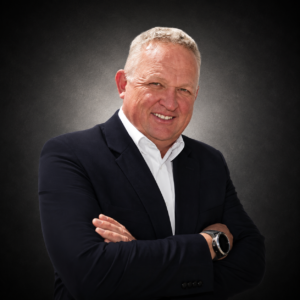
Electric commercial transport moves into structured finance

Electric mobility moved further into commercial finance during 2026. NCBA and BasiGo announced a partnership intended to finance 1,000 electric vehicles for public transport operators and other organizations. The programme draws on NCBA's KSh2 billion electric-mobility facility, approximately US$15.5 million, and offers eligible public service vehicle operators financing of up to 90% over 60 months. The companies are combining conventional asset finance with BasiGo's Pay-As-You-Drive model, which links operating payments to vehicle use and incorporates services such as battery leasing, charging and maintenance. The arrangement is significant because electric buses and vans carry different financing risks from conventional diesel vehicles. Their economics depend on utilization, battery performance, charging access, maintenance arrangements and the availability of replacement parts. A financier must understand the operating model as well as the borrower's balance sheet. NCBA's financing of the first 15 electric tipper trucks in a planned 30-vehicle fleet for Browns Plantations Kenya provided another example of electrification entering demanding commercial applications. The bank's wider KSh2 billion facility is intended to support electric mobility beyond passenger cars, including public transport and commercial operations. The market also benefited from the development of local assembly. BasiGo's buses and vans are assembled in Kenya using imported kits, connecting vehicle finance with domestic manufacturing, technical employment and the development of charging infrastructure. The company's regional presence in Kenya and Rwanda has helped establish a cross-border operating model for electric public transport.

Fleet leasing and the economics of ownership

Corporate fleet leasing remained another important part of the Kenyan market. Stanbic Bank financed RentWorks East Africa's arrangement to provide Vivo Energy Kenya with a 69-vehicle fleet under a 48-month agreement. The structure brought together financing, vehicle supply, maintenance and insurance, with Caetano Kenya providing maintenance support and Heritage Insurance providing cover. NCBA also manages and leases a fleet of 72 passenger and commercial vehicles for Rubis Energy Kenya. These transactions illustrate the appeal of full-service leasing to businesses whose core operations do not include vehicle ownership or fleet maintenance. A company can secure access to vehicles while transferring some responsibilities for maintenance, replacement and disposal to a specialist provider. The model is particularly relevant to fuel distributors, service companies and large corporate fleets, where vehicle availability affects daily operations. For the lessor, however, it requires disciplined residual-value management, maintenance planning and funding that matches the term of the customer contract.

Uganda: Equipment finance reaches the agricultural value chain

Uganda's 2026 asset-finance activity was particularly notable in agricultural mechanization and the supply of commercial and industrial equipment. The market's financing requirement is substantial: many farmers and smaller agribusinesses operate with limited machinery, while the cost of importing tractors, harvesters, irrigation systems and commercial vehicles remains beyond the immediate cash resources of many businesses. On 19 March, dfcu Bank and Meta Plant & Equipment Uganda launched a partnership at Kakira Sugar Factory in Jinja. The facility covers tractors, harvesters, irrigation systems, commercial vehicles and industrial machinery, with financing of up to 90% of eligible asset values. Repayments can be structured around seasonal and business cash flows. The choice of Kakira was significant. The sugar-producing area supports a large network of outgrowers and transport operators, creating a practical market for tractors, trailers and other equipment. The partnership combines dfcu's lending capacity with Meta's distribution of New Holland, Dezzi and Fieldking machinery, supported by technical services and parts availability. dfcu Chief Retail Banking Officer Annette Kiconco and Senior Manager for Vehicle and Asset Finance Gloria Ssuuna Namutebi were among the executives involved. Meta's Marketing and CRM representative Najjemba Dorcus also participated in the launch. The partners said the initiative was intended to widen access to machinery among farmers and agribusinesses, with a particular focus on the Busoga region. In August, dfcu expanded its distributor partnerships through an agreement with Double Q Company Limited. The arrangement covers commercial vehicles, construction equipment, forklifts and selected passenger electric vehicles. Eligible commercial assets can attract financing of up to 90% over five years, while selected passenger and electric vehicles may qualify for up to 100% financing over periods of up to seven years. ICEA LION General Insurance provides insurance support, while the package also incorporates maintenance, warranty and dealership services. The transaction demonstrates the growing importance of combining credit with after-sales support. For a business acquiring a truck, forklift or excavator, access to finance is only one part of the investment decision. Equipment downtime, servicing costs and the availability of replacement parts directly affect the asset's ability to generate revenue and service its loan. Uganda's banking sector nevertheless faces a competing demand for capital from government securities. The IMF reported that government securities represented 30.4% of bank assets in March 2025, with exposure considerably higher at some mid-sized institutions. This matters for asset finance because lending to a farmer, contractor or transport operator requires credit assessment, collateral management and monitoring that may be more complex than holding sovereign instruments. The partnerships with Meta and Double Q provide a route into these markets by bringing the lender, supplier and customer closer together. They also place greater responsibility on equipment distributors to support asset performance throughout the financing period.

Tanzania: The freight corridor and heavy-equipment opportunity

Tanzania's position as a gateway for regional trade continued to shape demand for trucks, mining equipment, construction machinery and power-generation assets. The Port of Dar es Salaam serves land-linked markets including Zambia, the Democratic Republic of Congo, Rwanda, Burundi and Malawi. Growing cargo movements along these corridors have created opportunities for haulage companies, truck distributors and equipment financiers. Hanlink Mobility Tanzania officially launched its operations in Dar es Salaam on 26 June 2026 as an authorized distributor of SINOTRUK vehicles. The launch was accompanied by financing partnerships with CRDB Bank, NBC, NMB Bank and NCBA Bank. Hanlink Group Managing Director Lin Yu and Tanzania Sales Director Peter Li were among the executives present, while Group Head of Marketing Musani Richard outlined the company's regional ambitions. The significance of the launch lies in the financing network being assembled around the distributor. Commercial vehicle customers can approach a supplier with access to multiple bank relationships rather than arranging the vehicle purchase and financing separately. This can improve the availability of credit for fleet expansion, although the terms remain subject to each lender's assessment. NMB Bank and Mantrac Tanzania entered a separate partnership in July to support financing for Caterpillar equipment used in mining, construction, infrastructure, energy and manufacturing. Under the arrangement, customers are generally expected to provide an initial contribution of between 20% and 25%, with NMB assessing credit and structuring repayment schedules around business cash flows and project requirements. Mantrac supplies the machinery and provides technical support, after-sales services and approved maintenance. NMB Chief of Retail Banking Filbert Mponzi and Mantrac Business Planning and Operations Director for East Africa Levite Dongmo signed the agreement. The partnership gives contractors and miners access to equipment backed by a defined maintenance and warranty framework, while allowing the bank to draw on the distributor's technical knowledge when assessing the asset. Exim Bank Tanzania added another commercial-vehicle proposition in October through a partnership with Six Continental Group, which distributes FAW, HOWO and Shacman trucks. The programme offers financing of up to 80% of a vehicle's cost over periods of up to 60 months. Exim Bank Head of Retail Andrew Lyimo represented the bank in the announcement. The three arrangements illustrate how Tanzania's financing market is developing around the needs of specific asset users. Hanlink's relationships cover a broad commercial vehicle market; NMB and Mantrac focus on capital-intensive machinery; and Exim Bank and Six Continental address truck acquisition by transport and logistics businesses. Stanbic Bank Tanzania also arranged financing for 70 heavy trucks for a subsidiary of GSM Group, with Sino Truck supplying the vehicles. Although the transaction value was not publicly disclosed, the fleet illustrates the scale of capital required by established operators serving industrial and distribution networks. Mining finance has also attracted greater attention. The Ministry of Minerals worked with domestic banks to improve access to credit for small-scale miners, with CRDB, NMB, KCB and NBC among the institutions involved in financing initiatives. The underlying challenge is that miners often require equipment before production generates sufficient cash flow. Financing therefore depends on the quality of mineral rights, production plans, offtake arrangements and the ability to recover machinery if a project fails. For Tanzania, the next phase of equipment finance will depend on how effectively banks can structure lending around project cash flows and how well distributors can maintain machines in remote operating environments.

Rwanda: Public procurement and development finance shape electric mobility

Rwanda's approach to fleet finance has relied more heavily on public procurement, development-bank lending and credit enhancement than on purely commercial bank lending. The government has used its purchasing capacity and public transport planning to create a market for buses, while development finance institutions have helped reduce the risks faced by private operators. The Development Bank of Rwanda previously provided Rwf15 billion in loans to five private operators for at least 120 buses following the government's purchase of 200 buses for Kigali. The programme was supported by a Rwf30 billion sustainability-linked bond and a partial credit guarantee from the Business Development Fund. Although the original financing dates from 2024, it remains an important foundation for the structure of the country's bus market. In 2026, the government moved further towards electric public transport. The Rwanda Transport Development Agency issued a tender in August for 34 fully electric buses for Kigali under the Enhancing E-Mobility and Charging Infrastructure project. The African Development Bank's project documentation identifies the procurement of 34 electric buses and four charging units, with Ecofleet Solutions expected to receive and operate the assets. The tender, signed by RTDA Director General Imena Munyampenda, marks an important step in the public-sector development of electric bus infrastructure. It is a procurement process, rather than evidence that all 34 buses had already been delivered or placed into service by November. Commercial lenders are also beginning to participate. Bank of Kigali's BK Go EV proposition offers more favorable financing terms to operators acquiring electric buses through BasiGo. For electric motorcycles, Rwanda's credit-enhancement and rebate programmes have sought to reduce the initial cost of adoption and encourage the development of battery-swapping infrastructure. The Rwanda Green Fund and the development bank have used a first-loss guarantee of EUR8.3 million to support electric motorcycle financing. Spiro has also developed battery-swapping operations in the country. These structures address a central difficulty in electric mobility: customers need access to vehicles, batteries and charging or swapping facilities at the same time. The country's experience shows how public procurement and development finance can establish the initial market for new transport technologies. The commercial challenge will be to create operating models that can eventually attract more private capital without depending indefinitely on public guarantees.
Ethiopia: A new capital market for electric two-wheelers

Ethiopia attracted a significant mobility investment in April when Dodai announced a US$13 million Series A financing round comprising US$8 million in equity and US$5 million in debt. The investment is intended to expand the company's electric motorcycle business and battery-swapping network in Addis Ababa. The round included British International Investment alongside Value Chain Innovation Fund, IPC, Nagase, Persistent ACV Fund, For Seasons, CBC and ICJ. BII Chief Executive Leslie Maasdorp described the investment as support for the development of electric mobility and battery-swapping infrastructure. Dodai's Senior Vice President and Head of Corporate, Hilina Legesse, said the funding would accelerate the company's expansion. Dodai reported that it had locally assembled and deployed more than 2,000 electric motorcycles. Its stated expansion ambitions included reaching 3,000 battery-swapping users and 30 stations over the following 12 months, with a longer-term target of 30,000 users and 1,000 stations. These are company targets rather than completed deployments. Their importance lies in the financing structure: the investment supports not only vehicle distribution but also the infrastructure required to keep motorcycles operating. Battery swapping reduces charging downtime and can make electric motorcycles more practical for commercial riders whose earnings depend on daily utilization. Ethiopia's policy direction, including restrictions on fuel-powered vehicle imports, has helped create a market for alternative mobility. Yet the long-term viability of electric two-wheelers will depend on the availability of spare parts, battery replacement, reliable electricity, affordable financing and a resale market for used vehicles.

Burundi, South Sudan and Somalia: Markets with limited public transaction disclosure

The smaller and less transparent markets of Burundi, South Sudan and Somalia remain difficult to assess using publicly disclosed asset-finance transactions. Their commercial requirements are nevertheless substantial. Agricultural mechanization, construction, logistics, passenger transport and the movement of goods across borders all depend on access to vehicles and equipment. In these markets, financing is often arranged through bilateral bank facilities, supplier credit, importers, development programmes or direct corporate investment. Public reporting rarely provides the transaction values, repayment structures and executive details needed for a full comparison with Kenya or Tanzania. This lack of disclosure should not be mistaken for an absence of demand. It does, however, limit the ability to quantify the size of the leasing market or identify large-scale 2026 transactions with confidence. Greater publication of asset-finance data, leasing volumes and sector-level credit performance would improve transparency for investors and equipment suppliers considering these markets.

The executives and institutions shaping the market

The year's transactions brought together a broad group of financial institutions, equipment distributors and mobility companies. In Kenya, NCBA's Lennox Mugambi and James Karinga were associated with the bank's commercial vehicle, agricultural and electric-mobility financing initiatives. Inchcape Kenya Managing Director Marion Gathoga-Mwangi and Car & General General Manager for Trading George Rubiri represented the distribution side of agricultural mechanization. Absa's Abdi Mohamed, James Agin and Renato D'Souza were involved in the bank's expanded asset-finance programme and its relationship with Simba Corporation. Simba's Adil Popat, Suraj Shah and Dinesh Kotecha represented one of the country's established vehicle and equipment groups. Nedbank Chief Executive Jason Quinn led the South African group's announcement of its acquisition of NCBA. In Uganda, dfcu Chief Retail Banking Officer Annette Kiconco and Vehicle and Asset Finance Senior Manager Gloria Ssuuna Namutebi were among the executives advancing equipment-finance partnerships. Meta Plant & Equipment and Double Q brought machinery and vehicle distribution into the financing ecosystem, with ICEA LION providing insurance support. In Tanzania, NMB Chief of Retail Banking Filbert Mponzi and Mantrac East Africa's Levite Dongmo signed the equipment-finance agreement, while Exim Bank Head of Retail Andrew Lyimo represented the bank in its commercial truck financing partnership with Six Continental Group. Hanlink Mobility Group Managing Director Lin Yu and Tanzania Sales Director Peter Li led the company's market entry. In Ethiopia, BII Chief Executive Leslie Maasdorp and Dodai executive Hilina Legesse were among the leaders associated with the US$13 million investment. In Rwanda, the African Development Bank, RTDA and Ecofleet Solutions were central to the public procurement programme for electric buses. The transactions also highlight the importance of executives working across institutional boundaries. Banks provide capital and credit assessment; distributors provide access to vehicles and machinery; insurers protect the financed asset; and service providers help maintain its operating value. The strength of these partnerships increasingly determines whether a financing proposition can reach customers beyond the largest corporates.

What 2026 revealed about the cost and structure of finance

The most visible change in East Africa's asset-finance market was the shift from stand-alone lending towards integrated financing arrangements. A bank that works directly with a truck dealer can assess the asset, customer and supplier relationship together. An agricultural equipment partnership can incorporate seasonal repayments, insurance and maintenance. An electric bus financing arrangement can include battery leasing and charging services. The model can reduce the friction involved in acquiring productive assets, but it does not eliminate the underlying risks. High financing percentages and longer tenors expose lenders to depreciation, default and residual-value risk. A used truck or tractor may be difficult to resell at the expected price, particularly when maintenance records are incomplete or the equipment has operated under demanding conditions. Currency risk remains another important consideration. Vehicles and machinery are frequently imported or priced against foreign currencies, while operators earn revenue in Kenyan shillings, Ugandan shillings, Tanzanian shillings, Rwandan francs or Ethiopian birr. Exchange-rate movements can raise replacement costs and undermine the economics of long-term financing. Local-currency funding and repayment structures aligned with the revenue generated by the asset are therefore important to the sustainability of the market. The expansion of electric mobility adds another layer of complexity. Battery performance, charging infrastructure, technology standards and resale values are still developing. Financing providers must understand the operating economics of each vehicle category rather than assume that a conventional vehicle-finance model can simply be transferred to electric assets. There is also a funding question for specialist lessors. Long-term leases require capital with a matching maturity. Heavy reliance on short-term bank borrowing can leave leasing companies exposed to refinancing risk even when their customer contracts extend over several years. Development finance, local-currency facilities, bond issuance and institutional investment will be important to broadening the sources of capital available to the sector.
A market moving closer to the asset

East Africa's 2026 transactions show a market in which financing is becoming more closely connected to the economic purpose of the asset. Banks are competing through dealer relationships and tailored repayment terms. Equipment distributors are taking a more active role in arranging finance and supporting customers after delivery. Development institutions are helping establish new markets for electric buses and motorcycles, while specialist mobility companies are testing models based on usage rather than outright ownership. Kenya continues to offer the deepest visible market for commercial vehicle and equipment finance. Tanzania's freight corridors and mining sector provide a substantial opportunity for heavy-equipment lending. Uganda's agricultural and industrial sectors are attracting more structured financing partnerships. Rwanda is using public procurement and development finance to accelerate electric public transport, while Ethiopia is drawing investment into electric two-wheelers and battery-swapping infrastructure. The next stage will be determined by the ability of lenders and lessors to finance assets on terms that reflect the revenue they generate, the conditions in which they operate and the value they retain over time. The institutions that combine capital with reliable asset information, maintenance networks, insurance and effective recovery mechanisms will be better placed to expand lending without allowing risk to grow faster than their portfolios.

Regions 24 MIN READ 10 November 2026

West Africa: Financing Through Volatility

AssetFin100 Africa 2026 Year in Review · November 2026   West Africa's fleet and asset finance market is expanding against a complicated economic backdrop. Demand for trucks, buses, construction equipment, agricultural machinery and industrial assets is being sustained by infrastructure investment, urbanization, mining, energy development and the movement of goods across national borders. Yet the cost of acquiring those assets, the availability of long-term funding and the currencies in which financing is denominated continue to determine how quickly businesses can expand. The region's financing landscape is considerably more diverse than a comparison of Nigeria and Ghana would suggest. Nigeria has a sizeable and increasingly institutionalized leasing industry. Ghana is emerging from a difficult period of debt restructuring and currency instability, with improving macroeconomic conditions creating a different financing environment. Côte d’Ivoire and Senegal operate within the monetary and financial architecture of the West African Economic and Monetary Union (WAEMU), while Cameroon belongs to the Central African monetary system, despite its close commercial links with West Africa. These differences influence how businesses acquire vehicles and machinery, how lenders price facilities and how much financing risk operators can absorb. A fleet operator borrowing in naira faces a different exposure from one financing equipment in CFA francs. A leasing company funded through domestic deposits also has a different capacity to price a five-year truck lease from an institution relying on foreign currency credit lines. The region's financing industry is consequently developing along several paths, shaped by the scale of domestic markets, monetary conditions, institutional capacity and the economics of the industries using the assets.

Nigeria: Leasing Moves into the Mainstream of Productive Investment

Nigeria remains the region's most measurable asset leasing market and, by a considerable margin, its largest disclosed pool of outstanding lease assets. The Equipment Leasing Association of Nigeria (ELAN) reported that outstanding leases increased by 26.5% to ₦6.54 trillion in 2025, from ₦5.16 trillion in 2024. New lease contracts reached approximately ₦1.37 trillion, up 40.72% from ₦973.3 billion a year earlier. Cumulative leasing activity over the preceding decade reached ₦30.08 trillion. At the Central Bank of Nigeria's 30 October 2026 exchange rate of approximately ₦1,346.26 to the dollar, the 2025 outstanding portfolio translates to about US$4.86 billion. This is an indicative conversion rather than the portfolio's historical dollar value. The composition of the market is particularly revealing. Cars and commercial vehicles accounted for approximately 53% of leased assets in 2025, according to ELAN's industry figures. Plant and machinery represented 13%, computers and office equipment 12%, aircraft, ships and trawlers 7%, and other assets 15%. The distribution demonstrates how closely leasing is tied to commercial mobility and the acquisition of productive equipment. Sectoral figures published by ELAN for 2024 provide another indication of where that capital was going. Outstanding leases in oil and gas reached approximately ₦1.381 trillion, transportation accounted for ₦1.181 trillion, manufacturing ₦734.3 billion, telecommunications ₦462.2 billion and agriculture ₦378.6 billion. These are historical portfolio values rather than new lending in 2026, but they establish the industry's exposure to sectors with substantial equipment requirements. Transportation's position is particularly significant. Nigeria's commercial vehicle market serves an economy in which road haulage remains central to the movement of cement, petroleum products, agricultural commodities, consumer goods and industrial materials. Some of the largest fleets belong to manufacturers and distributors rather than independent transport companies. Dangote Cement has a disclosed fleet exceeding 5,000 trucks, while BUA Transport's Sokoto operation has reported approximately 700 trucks and plans for more than 500 additional units. Transport Services Limited has a reported fleet of about 800 trucks. These operations require tractor heads, trailers, tankers, bulk carriers, service vehicles, material-handling equipment and workshop machinery. Their financing requirements extend beyond the initial purchase. Tyres, maintenance, insurance, fuel systems, replacement cycles and working capital all influence the economics of fleet ownership. For larger operators, the ability to finance a standardized fleet and maintain consistent vehicle availability can be as important as the headline interest rate. The banking system is also undergoing a significant structural adjustment. Nigeria's bank recapitalization exercise reached its 31 March 2026 deadline, with 33 of 37 banks meeting the revised capital requirements by the end-March deadline, according to the IMF's June assessment. The exercise raised approximately US$3.4 billion in new equity. Stronger bank capital could improve lenders' capacity to underwrite larger corporate transactions, although recapitalization does not automatically translate into more credit for transport operators and smaller businesses. Macroeconomic conditions remain a constraint. The IMF estimated Nigerian economic growth at 4% in 2025 and projected 4.1% in 2026. Inflation, which had declined for more than a year, rose to 15.4% year-on-year in March 2026 as higher food and energy prices began to feed through. Private-sector credit grew by approximately 20% in 2025 after adjusting for exchange-rate valuation effects, but remained only 12% of GDP. The increase in leasing volumes also requires careful interpretation. Growth in the nominal value of outstanding leases partly reflects the higher replacement cost of imported assets. A truck that costs considerably more in naira can increase the measured value of the leasing market without a corresponding increase in the number of vehicles financed. Portfolio expansion and growth in the physical volume of financed equipment are therefore different measures of industry performance. Institutions such as Stanbic IBTC, Access Bank and Zenith Bank operate alongside specialist leasing businesses represented by ELAN. The industry's capacity to serve a wider range of businesses will depend on deeper funding pools, stronger asset recovery systems, reliable residual-value assessments and financing structures that accommodate the revenue patterns of transport and industrial companies.
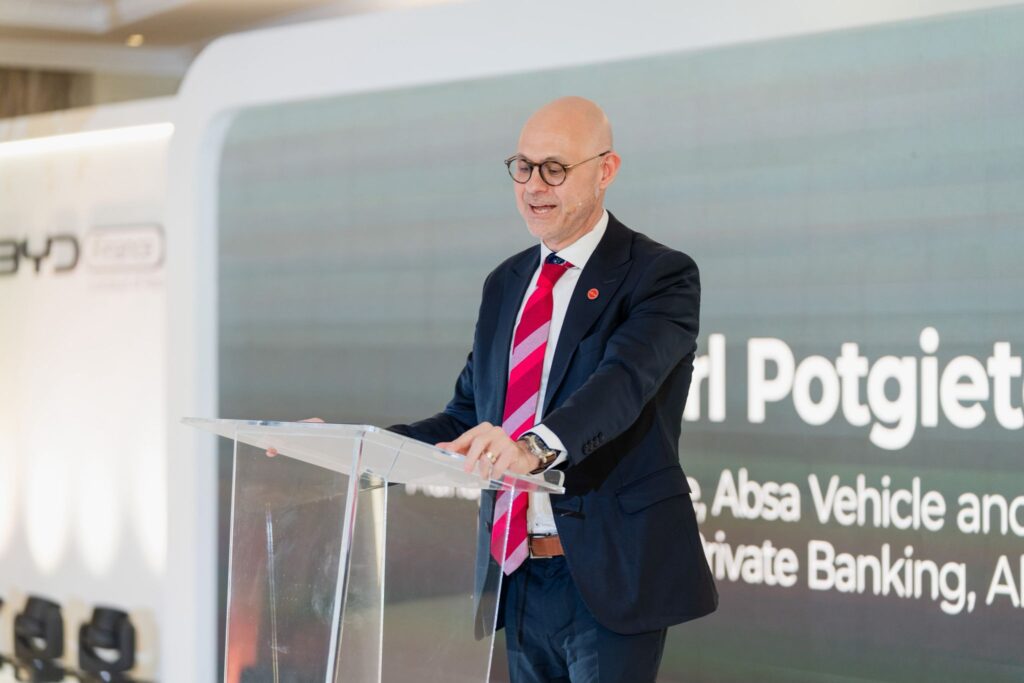
Ghana: Lower Borrowing Costs Reopen the Equipment Market

Ghana entered 2026 with a markedly different monetary environment from the one that prevailed during its debt and currency crisis. The recovery in macroeconomic conditions has begun to change the economics of borrowing, although the benefits are not yet uniform across businesses. The IMF's 2026 Article IV assessment reported that real GDP grew by 6% in 2025 and 6.4% year-on-year in the first quarter of 2026. Inflation fell to 5.4% in December 2025 and 5.3% in June 2026. The cedi appreciated by approximately 36% against the US dollar during 2025, supported by improved export receipts, gold purchases and foreign-exchange market intervention. The Bank of Ghana reduced its policy rate to 14% in March 2026 after cumulative reductions of 1,400 basis points since July 2025. The improvement in monetary conditions has started to reach commercial borrowers. Average bank lending rates declined from 20.58% in January 2026 to 16.33% in April, and subsequently to approximately 15.9% in August. The policy rate remained at 14% following the September Monetary Policy Committee meeting. Actual borrowing costs continue to vary according to the borrower, collateral, tenor and lender. For fleet operators, the change is consequential. A company financing a fleet of heavy trucks, petroleum tankers or distribution vehicles must account for interest expenses over several years. Lower borrowing costs can improve the economics of replacing ageing vehicles, purchasing additional capacity or investing in specialized equipment. They can also make formal financing more competitive against informal vehicle acquisition arrangements. Ghana's financing market includes Stanbic Bank Ghana, Ecobank Ghana, GCB Bank, Absa Bank Ghana and other commercial lenders. Stanbic's vehicle and asset finance product, for example, covers trucks, buses, cars, earthmoving equipment and generators. Its published terms allow financing of up to 70% of an eligible asset's value, with facilities extending to five years subject to the borrower's circumstances. This illustrates the role commercial banks play in financing movable productive assets beyond conventional passenger vehicles. Two partnerships announced in 2026 demonstrate the growing importance of dealer-linked equipment financing. In July, Ecobank Ghana and Mantrac Ghana announced a partnership to provide financing for Caterpillar equipment used in mining, construction, agriculture and manufacturing. Henry Ampong, Regional Head of Corporate and Investment Banking at Ecobank Ghana, described the arrangement as a way of combining the bank's financial capacity with Mantrac's equipment expertise to help Ghanaian businesses execute larger contracts. In August, Access Bank Ghana announced a separate strategic financing partnership with Mantrac Ghana, involving a consortium of five local banks. The arrangement is designed to provide working capital and equipment finance to contractors and mining companies seeking Caterpillar machinery. Large equipment purchases frequently exceed the standalone lending appetite of an individual bank, particularly when borrowers are executing capital-intensive infrastructure or mining contracts. The partnerships also illustrate how equipment distributors can become integral to the financing process. The dealer contributes knowledge of the machinery, maintenance requirements and aftersales support, while banks assess the borrower's cash flows and structure the facility. The equipment provides an identifiable underlying asset, and expected revenue from the contract can support repayment. Such arrangements are particularly relevant to businesses that cannot easily provide conventional real estate collateral. Ghana's fleet market is closely linked to Tema Port, the cocoa supply chain, petroleum distribution, mining and regional transit. Publicly disclosed operator figures include Federated Logistics, with more than 200 trucks across different classes; AMP Logistics Ghana, with approximately 100 trucks; and Auntie Nkran Partners, with more than 100 articulated trucks and a growing tanker operation. These individual disclosures are not a complete national fleet census, but they illustrate the scale of commercial vehicle demand around the country's principal logistics corridors. Whether improved monetary conditions translate into sustained private-sector credit expansion will be an important test. Lenders still need to distinguish companies with dependable contracted revenue from operators exposed to volatile freight rates, commodity prices or delayed government payments.
Côte d’Ivoire: Fleet Renewal Becomes a Financing Policy

Côte d’Ivoire offers one of the region's clearest examples of government policy being used to address the fleet renewal problem. The country's road transport sector is economically significant. According to the Ministry of Transport, road transport accounts for more than 90% of domestic passenger movements, while the national vehicle fleet exceeds 1.2 million vehicles. The government has identified the age and condition of much of this fleet as contributors to road accidents, congestion and emissions. Its wider vehicle renewal programme has been estimated at more than CFAF700 billion, equivalent to approximately US$1.2 billion. In June 2026, the Fonds de Développement du Transport Routier (FDTR), under the Ministry of Transport and Maritime Affairs, launched a digital platform for the renewal of the national vehicle fleet. The platform is intended to connect transport operators with financial institutions, insurers and vehicle dealers, while allowing applicants to access vehicle credit, fleet renewal services and professional training. It also provides a mechanism for tracking financed vehicles and monitoring the financial performance of their operations. The platform addresses a longstanding weakness in commercial vehicle lending: the information gap between the borrower and the lender. Transport operators often have limited formal financial records, while banks may struggle to establish the revenue generated by a vehicle, its operating history or the reliability of the proposed repayment source. Better documentation of vehicle ownership, operational activity and revenue collection can give lenders a more structured basis for assessing applications. The programme has an institutional financing history. In August 2025, FDTR signed a CFAF1 billion partnership agreement with BGFI Bank, approximately US$1.8 million, to support the vehicle renewal programme. The agreement was signed by FDTR Director General Abdoulaye Touré and BGFI Bank's Director General, Kafehe Silué. The subsequent digital platform provides a wider operational framework through which financial institutions and transport operators can participate. The monetary framework of WAEMU provides an additional dimension. Its members share the CFA franc and a common central bank, reducing direct exchange-rate fluctuations between countries within the monetary union. This does not remove the risks associated with importing vehicles and equipment priced in US dollars or other foreign currencies. Economic growth has also supported demand for productive equipment. The IMF's 2026 assessment estimated Côte d’Ivoire's growth at 6.6% in 2025, with mining, construction, manufacturing and services contributing to expansion. Construction grew by 7.4%, mining by 12.2% and other manufacturing industries by 8.9%. These sectors require heavy trucks, earthmoving machinery, generators, industrial handling equipment and specialized transport assets. The commercial fleet market is particularly visible around Abidjan and San Pedro. Disclosed operator figures include SOCOTRA, with more than 200 road tractors, and LS Logistic & Transport, with more than 100 operational mining trucks. RapideCargo also reports a fleet of around 100 operating trucks. These fleets serve port logistics, mining, petroleum and regional transit. The effectiveness of the renewal programme will ultimately depend on the number of transport operators able to secure affordable facilities. Vehicle credit must be supported by credible insurance, maintenance capacity, dependable resale markets and repayment schedules that reflect the cash generation of transport businesses.

Senegal: Oil, Gas and the Financing of a New Logistics Economy

Senegal's entry into the ranks of oil and gas producers is changing the country's investment requirements. Offshore energy projects, new export infrastructure and associated industrial activity are generating demand for heavy transport, engineering equipment, specialist vehicles and logistics services. The IMF reported that Senegal's economy grew by 6.7% in 2025, with oil production entering its first full year. However, non-hydrocarbon growth was only 2.2%, underlining the difference between expansion in the extractive sector and the performance of the wider domestic economy. In the first quarter of 2026, non-hydrocarbon growth rebounded to 4.7% year-on-year. The financing environment remains more complicated than the headline growth figures suggest. Senegal's fiscal deficit narrowed from 13.4% of GDP in 2024 to 6.4% in 2025, but debt vulnerabilities remain elevated. In September 2026, IMF staff reached an agreement with the authorities on a proposed 36-month Extended Credit Facility arrangement of approximately US$2.2 billion, subject to the necessary corrective actions, financing assurances and approval by the IMF Executive Board. The oil and gas economy is likely to generate demand for specialized logistics assets, including heavy-duty trucks, tankers, cranes, industrial vehicles and equipment used in port and energy operations. The government's fiscal position and access to long-term financing will influence how quickly infrastructure investment translates into commercial opportunities for domestic businesses. Senegal also offers a more advanced example of financing large-scale public transport. Dakar's electric bus rapid transit system, inaugurated in 2024, operates along an 18-kilometre corridor with 23 stations and a fleet of more than 120 articulated electric buses. The system is designed to serve approximately 300,000 passengers daily. The financing structure is instructive. Meridiam, the private infrastructure investor, purchased 121 electric buses and operates them under a net-cost contract with the transport authority, CETUD. Charging infrastructure was provided under a separate contract, while the government financed the road works, stations and depots with support from a concessional World Bank IDA loan. A minimum ridership guarantee within the operating contract helps protect the private investor against demand falling below projections. The project demonstrates how public transport investment can be divided into components with different financing and risk profiles. Buses, charging facilities, depots, road infrastructure and operating contracts form part of one transport system, but need not be financed by the same institution or through the same instrument. For Senegal, the BRT experience provides a reference point for future transport projects and other cities seeking to modernize public transport without placing the entire capital requirement on government balance sheets.

Cameroon: A Neighbouring Market with a Different Financing Architecture

Cameroon deserves attention in an assessment of the commercial fleet and equipment finance markets serving the Gulf of Guinea, although its institutional position must be distinguished from that of ECOWAS members. Cameroon belongs to the Central African Economic and Monetary Community (CEMAC), whose monetary framework is administered by the Bank of Central African States (BEAC). Its inclusion reflects its commercial links with Nigeria, Chad, the Central African Republic and the wider Gulf of Guinea transport economy. The Port of Douala, the Kribi deep-water port and the country's road corridors support the movement of industrial commodities, petroleum products, agricultural goods and imported equipment. The IMF's March 2026 assessment projected Cameroon's GDP growth at 3.3% in 2026, following estimated growth of 3.1% in 2025. Average inflation was projected at approximately 2.9% in 2026. Domestic private-sector credit growth was projected at 11.7%, while public debt was estimated at 39.6% of GDP. The investment opportunity is concentrated in mining, construction, agriculture, petroleum distribution and transport infrastructure. These sectors require heavy-duty trucks, earthmoving equipment, road construction machinery, generators, agricultural machinery and specialized industrial vehicles. Cameroon's financing environment differs from Nigeria's in an important respect. The CFA franc is pegged to the euro, providing a degree of exchange-rate predictability against the European currency. However, many commercial vehicles and industrial machines are purchased in US dollars, Chinese yuan or euros. The currency of the equipment purchase, the currency of the loan and the currency of the operator's revenue therefore remain important considerations. The banking market includes Afriland First Bank, Société Générale Cameroun, BICEC, SCB Cameroun, Ecobank and other financial institutions. BGFI Bank and regional financial groups also participate in the wider CEMAC financing environment. Specialist equipment finance remains less transparent than in Nigeria, where ELAN publishes a dedicated industry leasing series. Much of the equipment used by major industrial and mining operators is acquired through corporate credit facilities, supplier financing, project finance, parent-company funding and offshore arrangements. These transactions do not necessarily appear in national leasing statistics, making the size and composition of formal equipment finance difficult to establish. Cameroon's position in the Gulf of Guinea economy is therefore best understood through its industrial and logistics requirements, rather than through comparisons with the more formally documented Nigerian leasing market.

The WAEMU Financing Market: A Shared Currency, Different Credit Conditions

Beyond the larger markets of Côte d’Ivoire and Senegal, the West African monetary union provides an important framework for understanding asset finance in Benin, Burkina Faso, Guinea-Bissau, Mali, Niger and Togo. These countries share the CFA franc, a common central bank and a regional banking regulatory framework. Three of them, Burkina Faso, Mali and Niger, withdrew from ECOWAS in January 2025 but remain members of WAEMU. This distinction matters when assessing the region's financial integration: monetary arrangements and political membership are not interchangeable. The Central Bank of West African States (BCEAO) maintained its main policy rate at 3% following its September 2026 monetary policy meeting, with the marginal lending facility at 5% and the reserve requirement ratio at 3%. Regional GDP expanded by 6% year-on-year in the second quarter of 2026. The IMF's assessment of the monetary union provides a more detailed picture of credit conditions. The effective refinancing rate declined from 5.5% in March 2025 to 3.6% in March 2026. Average interbank rates fell from approximately 6.3% to 4.1%, while the weighted average yield on three-month Treasury bills declined from 6.5% to 4.8%. These rates should not be confused with the actual cost of borrowing for a transport company. The policy rate is the central bank's monetary instrument; a commercial lending rate incorporates funding costs, credit risk, operating expenses, capital requirements and the lender's margin. The IMF identified a significant allocation problem within the regional banking system. In 2025, banks' claims on central governments grew by 13.3%, compared with 5.6% growth in claims on the private sector. Average bank exposure to sovereign risk reached 37.6% in 2025. The regional market absorbed approximately CFAF5 trillion in net government securities issuance, nearly twice the initial projection of CFAF2.6 trillion. The implications for equipment finance are direct. Governments and private companies compete for funding from substantially the same financial institutions. When banks allocate a large share of their balance sheets to sovereign securities, fewer resources may be available for long-term lending to transport operators, equipment distributors, contractors and manufacturers. The monetary union nevertheless provides an advantage for regional businesses. A company operating across Côte d’Ivoire, Senegal, Benin and Togo can conduct business within a shared currency environment without the direct exchange-rate fluctuations that arise between separate national currencies. Ports such as Abidjan, Dakar, Lomé and Cotonou serve as gateways for landlocked economies. Their surrounding logistics networks require trucks, trailers, container-handling equipment, warehouses, tractors, tankers and specialized machinery. Lomé plays an important transit role for cargo moving into Burkina Faso, Niger and other inland markets, while Cotonou serves regional trade routes. For lenders, financing these operations involves more than assessing the value of the vehicle. A truck financed in one jurisdiction may generate revenue in several others, complicating asset monitoring, security enforcement and recovery. Differences in transport regulations, customs procedures and legal systems can add to the cost of cross-border lending.

The Cost of Capital: The Currency Behind the Truck Matters

The economics of asset finance across West Africa cannot be understood by looking at interest rates alone. Currency exposure is equally important. Most commercial trucks, construction machines, mining equipment and specialist industrial vehicles are imported. Their acquisition prices are frequently denominated in US dollars, euros or yuan, while the businesses using them earn revenue in local currencies. A transport operator financing a US$150,000 truck through a local currency loan is exposed to two separate risks: the cost of borrowing and the movement of the local currency against the dollar. If the currency depreciates substantially, the cost of replacing the truck rises even if the operator's freight income remains unchanged. A company that has borrowed in foreign currency faces an additional problem: its repayment obligations increase in local currency terms even though its revenue may not. Ghana provides a useful illustration of how quickly this exposure can change. After appreciating by approximately 36% against the dollar in 2025, the cedi depreciated by 7.9% against the dollar in the first half of 2026, according to the Bank of Ghana's monetary policy reporting. The reversal demonstrates why a period of currency strength should not automatically be treated as a permanent reduction in equipment financing risk. Nigeria's experience is different. Its leasing market expanded in nominal terms while businesses were dealing with substantial changes in the local currency value of imported equipment. The 2025 increase in outstanding leases therefore reflects both the growth of leasing activity and the higher cost of acquiring replacement assets. For lenders, the loan tenor must reflect the asset's productive life, expected utilization, maintenance profile and resale value. The financing currency must also be considered against the operator's actual revenue streams. A company transporting export commodities or serving a dollar-generating oil and gas business may have some natural protection against foreign exchange risk. A domestic passenger transport operator earning entirely in local currency does not have the same protection. This explains the caution surrounding foreign currency borrowing in the commercial vehicle market. A lower headline interest rate on a dollar loan can become considerably more expensive if the local currency depreciates during the repayment period. Local currency leasing, where the financier can access sufficiently long-term domestic funding, offers a more predictable repayment structure for businesses earning local currency. Development finance institutions and regional investment banks can complement domestic lenders through longer-tenor credit lines, guarantees and risk-sharing facilities.

Electric Mobility: From Vehicle Finance to Infrastructure Finance

Electric mobility is gradually changing the structure of commercial transport investment in West Africa. Nigeria, Ghana and Senegal are at different stages of adoption, but each offers examples of how new vehicle technologies are creating demand for financing models beyond conventional vehicle loans. Nigeria's emerging electric vehicle assembly industry is particularly significant. Saglev, a joint venture involving Stallion Group and Sokon Motor, has begun assembling 18-seat electric vans using kits supplied by Dongfeng. The company has outlined plans to reach annual production capacity of up to 2,500 vehicles and eventually offer 17 models for West African markets. Its plans also include solar-powered charging stations. Locally assembled electric vans could provide a new financing opportunity for passenger transport operators, corporate mobility providers, shuttle businesses and fleet companies. Their commercial viability will depend on purchase prices, battery warranties, charging availability, vehicle uptime and the residual value of batteries and vehicles. Traditional vehicle financing models are built around an asset with a relatively familiar depreciation pattern, an established maintenance network and a reasonably understood resale market. Electric vehicle financing introduces additional variables. Battery degradation, replacement costs, charging infrastructure and the financial health of the vehicle manufacturer all influence the lender's exposure. The financing model may therefore need to separate the vehicle from the battery or charging infrastructure. Battery-as-a-service, lease-to-own arrangements and pay-per-kilometre structures can reduce the upfront investment required from operators, provided the underlying contracts are commercially sustainable. Senegal's Dakar electric BRT demonstrates another route. Rather than expecting individual transport operators to finance expensive electric buses, the project uses an infrastructure and public-private partnership structure in which private capital finances the buses and operates the service under a contracted arrangement. Ghana's opportunity is linked to its established banking and equipment distribution network. Dealer-backed finance, fleet replacement facilities and structured lending could eventually support electric buses, delivery vehicles and corporate fleets as the technology becomes commercially viable. The wider African electric mobility investment market offers an indication of where capital is heading. Research by TechCabal Insights reported that electric mobility businesses across Africa had raised more than US$1.28 billion through 129 transactions between 2019 and early June 2026. Approximately one-third of the capital was debt, suggesting a gradual transition from venture funding towards financing structures associated with infrastructure and operating businesses. These figures cover the wider African market and should not be mistaken for West African investment alone. For financiers, electric mobility introduces a broader assessment of asset performance. Battery life, charging availability, maintenance arrangements, warranties and contracted operating revenue must be evaluated alongside the vehicle's purchase price. The transition will depend on whether operators can demonstrate sufficient utilization and sustainable unit economics.

Beyond the Six Principal Markets: The Financing Opportunity Across the Region

The wider West African market extends well beyond Nigeria, Ghana, Côte d’Ivoire and Senegal. Benin, Togo, Guinea, Sierra Leone, Liberia, The Gambia and Guinea-Bissau all have transport, mining, agricultural and infrastructure requirements that create demand for productive assets. The availability of reliable public data varies considerably. Nigeria publishes a dedicated leasing industry series through ELAN. Ghana provides relatively detailed banking and monetary statistics, while BCEAO publications offer comparable regional indicators for the WAEMU economies. Comparable country-level disclosures on commercial vehicle leasing, outstanding equipment finance and financed fleet volumes are much harder to obtain in several other markets. This lack of transparency makes it difficult for investors to compare market size, establish default rates, measure penetration or assess the relative contribution of banks and specialist lessors. In Guinea, mining and associated transport infrastructure create demand for heavy-duty vehicles, mining trucks and specialized equipment. Bauxite production and mineral exports require substantial investment in road, rail, port and handling infrastructure. Financing is frequently associated with mining concessionaires, project sponsors and international suppliers rather than a publicly identifiable domestic vehicle leasing industry. In Togo, the Port of Lomé provides an important logistics gateway for landlocked markets. The port's regional role creates demand for container trucks, trailers, handling equipment and distribution fleets. Ecobank Transnational and other regional banking groups are part of the financial infrastructure serving businesses across these markets. Benin's Port of Cotonou similarly supports regional trade and transit. Its transport economy depends on commercial vehicles serving domestic distribution and cross-border movements, particularly towards Niger and Burkina Faso. In Liberia and Sierra Leone, mining, agriculture, port logistics and infrastructure development create potential demand for equipment finance. Yet limited publicly disclosed leasing data makes it difficult to establish the size of formal fleet finance portfolios or the extent to which operators rely on bank lending, supplier credit and internally generated capital. For smaller markets, dealer-backed lending, equipment leasing, fleet management contracts and financing supported by identifiable commodity or logistics revenues offer potential routes to expanding formal asset finance. Their effectiveness will depend on local enforcement systems, the availability of technical support and the ability of lenders to monitor assets operating across different jurisdictions.

The Institutions and Executives Shaping the Market

The West African asset finance market is being shaped by a combination of commercial banks, specialist lessors, equipment distributors, public institutions and infrastructure investors. In Nigeria, the Equipment Leasing Association of Nigeria, under the leadership of its industry chairman, Ehigiamusoe Elizabeth Ngozi, provides an important institutional platform for the development and measurement of the leasing market. Its industry statistics offer one of the region's most useful sources of information on asset classes, outstanding leases and new business. In Ghana, the partnerships between Ecobank Ghana, Access Bank Ghana and Mantrac demonstrate the increasing importance of relationships between financial institutions and equipment distributors. Henry Ampong's involvement in the Ecobank partnership reflects the role of corporate and investment banking in structuring financing for businesses that require machinery to execute commercial contracts. In Côte d’Ivoire, FDTR Director General Abdoulaye Touré has been central to the development of the vehicle renewal framework. The involvement of BGFI Bank and other participating institutions illustrates how public policy, commercial banking and transport operators can be brought into a coordinated financing structure. In Senegal, CETUD and Meridiam provide an important example of institutional cooperation in large-scale public transport investment. Their work demonstrates the potential for private capital to finance vehicles and operating infrastructure within a wider public transport framework. Across these markets, the institutions supplying capital increasingly need expertise in the assets themselves, their utilization, maintenance requirements, expected operating revenue and eventual resale value. Evaluating a truck requires more than examining the borrower's balance sheet; it involves understanding the business model that keeps the vehicle productive and generates the cash flow from which the financing will be repaid.

What Comes Next: From Financing Assets to Financing Productivity

West Africa's asset finance market is developing along several distinct paths. Nigeria demonstrates the potential scale of a formal leasing industry when banks, specialist lessors and businesses increasingly adopt asset-based financing. Ghana illustrates how macroeconomic stabilization and lower borrowing costs can reopen opportunities for equipment investment. Côte d’Ivoire is demonstrating how government-backed fleet renewal programmes can improve the relationship between transport operators and lenders. Senegal offers an increasingly relevant model for financing large public transport systems through private investment and carefully structured operating contracts. Cameroon, although outside ECOWAS and operating under a different monetary framework, adds an important industrial and logistics market to the wider Gulf of Guinea economy. The constraints are substantial. Short funding tenors are poorly suited to long-lived commercial vehicles and heavy machinery. Foreign exchange volatility can undermine the economics of otherwise viable investments. High sovereign borrowing requirements can compete with private-sector credit. Weak vehicle records, limited residual-value information and difficulties enforcing security interests also increase the cost of lending. Development finance institutions, export credit agencies, regional investment banks and specialist leasing companies have a role in addressing these structural weaknesses. Longer-term local currency funding, partial credit guarantees, equipment residual-value programmes and stronger asset registration systems could improve access to commercial fleet financing. Electric mobility will add further complexity. Financing institutions will need to evaluate batteries, charging infrastructure, vehicle warranties and operating contracts alongside the vehicles themselves. In mining and construction, equipment financiers will increasingly have to assess the quality and duration of the contracts underpinning the assets they finance. Regional banks also have an opportunity to develop cross-border financing capabilities. Businesses operating between Lagos, Accra, Abidjan, Lomé and Dakar increasingly require fleets that can work across several markets. Financing arrangements that accommodate this operating reality, while maintaining effective security and asset monitoring, could support a more integrated regional transport economy. The underlying demand is clear. West Africa needs more efficient freight movement, modernized passenger transport, productive agricultural machinery, construction equipment and industrial capacity. The challenge facing financial institutions is to provide capital at terms that allow businesses to acquire and operate these assets profitably. For AssetFin100 Africa, the defining development of 2026 is the gradual emergence of a more structured asset finance ecosystem. Commercial banks, leasing companies, equipment distributors and infrastructure investors are increasingly finding ways to finance productive assets through arrangements that reflect the economics of the businesses using them. The institutions that combine financial capacity with a sound understanding of fleet operations, equipment utilization and asset recovery will be best positioned to shape the region's next generation of commercial transport and industrial investment. AssetFin100 Africa 2026 Year in Review | November 2026

Regions 19 MIN READ 10 November 2026

South Africa: Financing Industry, Fleets and the Next Generation of Assets

AssetFin100 Africa 2026 Year in Review · November 2026 South Africa's asset-finance market in 2026 was shaped by two powerful forces. Established industries continued to require substantial capital for trucks, mining machinery, agricultural equipment and industrial assets, while manufacturers, banks and fleet operators faced pressure to adapt to a changing automotive and energy landscape. The country retains the continent's most developed automotive manufacturing and commercial-vehicle ecosystem. Its banks, specialist financiers, equipment distributors and leasing companies offer a depth of funding and technical support not commonly found elsewhere in Africa. Yet that sophistication does not insulate the market from high borrowing costs, electricity and logistics constraints, currency volatility or the increasingly difficult economics of exporting vehicles into markets changing their trade and emissions rules. The year's transactions reveal a market financing both sides of this transition: the established assets that sustain mining, freight and manufacturing, and the new technologies that may eventually change how those industries operate.

The macroeconomic setting: More demand, but a higher price of capital

South Africa's economy was forecast by the South African Reserve Bank to grow by approximately 1.2% in 2026. That modest expansion matters for asset finance because demand for vehicles and machinery is closely linked to business investment, household purchasing power, freight volumes and industrial output. Monetary conditions became less supportive as the year progressed. The Reserve Bank raised its policy rate by a cumulative 50 basis points between April and October, taking the repo rate to 7.25%. Headline inflation rose from 3.2% in the first quarter to 4.5% in the second, with transport costs and imported energy contributing to the pressure. By September, annual inflation had reached 4.5%, while the October monetary policy review warned that inflation could remain above 5% for part of 2027. For commercial borrowers, the implications were immediate. A higher floating-rate environment raises the cost of financing trucks, yellow equipment and industrial machinery, particularly where loans are secured against assets with long operating lives. It also changes the economics of leasing companies that rely on wholesale bank funding to support multi-year customer contracts. The vehicle market nevertheless demonstrated resilience. In October, domestic new-vehicle sales reached 61,890 units, a 10.4% increase on the same month in 2025. Passenger cars accounted for 45,084 units, light commercial vehicles for 13,689, medium commercial vehicles for 770, and heavy commercial vehicles and buses for 2,347. New-energy vehicle sales reached 22,389 units in the first nine months of 2026, already exceeding the full-year 2025 total of 16,703. The figures point to two simultaneous developments: a recovering domestic vehicle market and a faster-growing market for electrified vehicles. For financiers, the second development raises new questions about residual values, battery warranties, charging access and the long-term cost of ownership.

Commercial vehicles: Financing follows the customer to the dealership

South Africa's commercial-vehicle market remains supported by a mature network of manufacturers, distributors, workshops and specialist financiers. Mercedes-Benz Trucks, Volvo Trucks, Scania, MAN, Isuzu, UD Trucks, FAW and SANY compete for fleet orders in a market where uptime, parts availability, fuel consumption and service coverage can matter as much as the initial purchase price. The financing proposition has increasingly moved closer to the point of sale. In February, JMC South Africa, operating under Salvador Caetano South Africa, formalized a joint venture with WesBank under the name JMC Financial Services. The arrangement combines WesBank's financing capability with JMC's expanding range of commercial and lifestyle vehicles, including the Vigus bakkie and Carrying Plus commercial trucks. The partnership is intended to provide an integrated customer journey through JMC's dealer network. The company said it planned to establish 40 dealerships across South Africa by the end of 2026, covering major markets including Gauteng, Cape Town and Durban. Robert Gwerengwe, Chief Executive of WesBank, described the arrangement as a way of integrating financial services with the vehicle ownership journey. The partnership reflects a wider competitive shift: manufacturers and importers increasingly want a financing product that can be presented alongside the vehicle, rather than leaving customers to arrange credit independently. The significance is particularly clear among newer brands entering the South African market. A manufacturer may have a competitive vehicle and an ambitious dealer expansion plan, but fleet and retail customers still need access to finance, insurance, trade-in arrangements and predictable servicing. A captive or joint-venture finance proposition can help establish those relationships. Absa Vehicle and Asset Finance has built a similar distribution-led model across commercial transport, agriculture and construction. Its alliances include MAN Financial Services, developed with Volkswagen Financial Services, for MAN trucks and buses; John Deere Financial Services for agricultural and construction machinery; JCB Finance for construction equipment; and Link Finance, working with Route Quest, for trucks, trailers and yellow goods. The structure gives customers access to financing linked to specific equipment brands and dealer networks. It also gives financiers a closer understanding of the asset being financed, including its maintenance requirements, expected useful life and resale market. Standard Bank offers instalment-sale and leasing arrangements for commercial vehicles and capital equipment, alongside bridging finance for imported and locally sourced goods. Its wholesale-finance facilities also address the working-capital requirements of dealers and distributors. This is an important part of the value chain: vehicle finance does not begin and end with the end-user's loan. Importers and dealers need inventory funding before the vehicle reaches the customer.

The mining economy: Large assets, longer investment cycles

Mining remained one of the most significant sources of demand for heavy equipment and specialist fleet finance. South African mining companies operate large fleets of excavators, dump trucks, loaders, underground machines, drilling equipment and support vehicles. Their financing requirements are determined by mine life, commodity prices, production plans and the capital intensity of extraction. One of the year's most substantial transactions was RMB's R13 billion (approximately US$790 million) funding package for Exxaro Resources, announced in February. Rand Merchant Bank, part of FirstRand, acted as debt adviser, initial mandated lead arranger and bookrunner for the refinancing. The package was designed to reduce financing costs and provide more flexible funding terms to support Exxaro's strategic objectives. Although the transaction was a corporate refinancing rather than a dedicated equipment loan, it is relevant to the asset-finance market. Large mining companies require balance-sheet capacity to maintain, replace and expand the machinery and infrastructure on which production depends. The cost and maturity of corporate funding can influence the timing of those investments. RMB's Resources Sectors Solutions team structured the transaction, attracting local and international commercial banks and asset managers. The order book was oversubscribed, indicating investor appetite for established mining borrowers with identifiable capital requirements and operating cash flows. In March, Standard Bank acted as co-mandated lead arranger and lender for a dual-currency financing package equivalent to US$130 million for Tharisa Minerals. The financing supports the company's transition towards underground mining, a development requiring specialized equipment and a funding structure aligned with the operating profile of the mine. The transaction illustrates the importance of currency structure in mining finance. Mining companies may earn revenue from internationally traded commodities while meeting operating and capital expenditure in both rand and foreign currencies. Dual-currency facilities can provide flexibility where equipment procurement, project expenditure and revenue streams are not denominated in the same currency. A more directly asset-linked facility followed in June, when Nedbank Corporate and Investment Banking provided Tharisa with a R750 million (approximately US$45.5 million) asset-revolving finance facility. An accordion feature allows the facility to increase to R1.25 billion (approximately US$75.8 million). The funding was intended to cover the specialized underground fleet required for safe and efficient extraction. The distinction between the two facilities is important. The US$130 million-equivalent package strengthens the company's wider financial position, while the R750 million facility is specifically associated with funding its underground equipment. Together, they show how corporate and asset-level financing can operate alongside one another within a mining capital programme. The year's other notable development was Super Group's acquisition of a 70% controlling stake in DIG Group, a plant and heavy-equipment hire business serving the mining sector. The transaction, approved by the Competition Tribunal, involved an initial cash payment of R448 million, with further deferred payments linked to future profit performance. DIG operates across 19 mining sites and supplies earthmovers, excavators, dump trucks and other equipment to coal, chrome and gold mining operations. Its normalized profit after tax for the year to February 2025 was R191.5 million. The acquisition gives Super Group an entry into mining services and extends its fleet solutions business into a capital-intensive market with established customer relationships. Peter Mountford, Chief Executive of Super Group, has emphasized organic growth, operational optimization and selective acquisitions as priorities for the group. The DIG transaction adds a new earnings stream while bringing a substantial heavy-equipment operation into the group's broader supply-chain and fleet-services platform. For the equipment-finance market, the transaction is a reminder that not every mining customer needs to own its machinery. Equipment hire and contract-based services can be commercially attractive where utilization is uncertain, project duration is limited or the capital cost of ownership is prohibitive. The financier's opportunity may therefore lie in funding the specialist operator rather than the mine itself.

Centrafin: Institutional investors enter the leasing market

A particularly important development in South Africa's asset-finance market came from Centrafin, which expanded its access to institutional funding through a JSE-listed lease-receivables securitization programme. The company launched a R3 billion (approximately US$182 million) programme, with its inaugural R790 million (approximately US$48 million) issuance 1.5 times oversubscribed. The notes were rated by GCR Ratings, while Nedbank Corporate and Investment Banking acted as sole mandated lead arranger for the programme and inaugural issuance. The transaction connects the cash flows generated by leasing contracts with the wider institutional capital market. Rather than relying exclusively on bank facilities or shareholder funding, a specialist lessor can use a portfolio of lease receivables to raise capital from investors. Centrafin, led by Managing Director Jenny Gill, finances productive assets including commercial vehicles, trucks, buses, forklifts, plant, mining equipment and construction machinery. The company reported more than R8 billion in cumulative asset-finance originations over its operating history and more than 30,000 SME clients. The securitization is significant because it addresses one of the structural constraints facing specialist lessors: the availability of funding that matches the duration of their customer contracts. A company financing equipment over several years needs a reliable source of capital that does not have to be repeatedly refinanced at short intervals. The market took another important step in October when Capricorn Group, the Namibian financial-services group, announced a successful binding offer to acquire a majority interest in Centrafin from Fonzosys, part of the Alviva Group. The agreed enterprise value was R788.3 million, subject to finalization of audited financial results. Under the proposed structure, Capricorn would initially acquire 81.6%, with an option to acquire the remaining interest over five years. The proposed acquisition represents a regional expansion for Capricorn Group, which has established financial-services operations in Namibia and Botswana. It also places a specialist South African equipment-finance and rental business within a broader regional financial group. The transaction's importance extends beyond a change in ownership. It signals investor interest in specialist asset-finance platforms with established origination capabilities, a diversified SME customer base and access to capital-market funding.

Fleet management and leasing: The value of operating capacity

South Africa has a mature fleet-management and leasing market, with WesBank Fleet Management and Leasing, Super Group, Avis Fleet, FleetAfrica, Barloworld Mobility and specialist operators serving corporate, public-sector and industrial customers. The business model is evolving beyond the financing of individual vehicles. Full-maintenance leasing and outsourced fleet management transfer some of the responsibilities for maintenance, replacement, administration and disposal to specialist providers. For large organizations, the value lies in predictable operating costs and access to vehicles without committing substantial capital to ownership. The acquisition of DIG by Super Group illustrates how fleet solutions can extend into plant and heavy-equipment hire. The business is no longer confined to passenger cars and delivery vehicles. Mining and construction customers need access to specialized machinery, technical support and equipment replacement across multiple sites. The growing importance of used-asset markets is another defining feature. South Africa has an established secondary market for commercial vehicles and equipment, supported by dealers, auctions, remarketing businesses and specialist workshops. This infrastructure helps financiers recover value when a contract ends or a borrower defaults. However, used-asset prices can move sharply. A truck's resale value depends on age, mileage, service history, condition, brand support and the supply of replacement vehicles. For a lessor, residual-value assumptions are central to profitability. A vehicle that depreciates faster than anticipated can erode the return on a contract even when the customer has paid every instalment.

Automotive manufacturing: Toyota invests in the next Hilux

South Africa's automotive industry remains a major industrial asset base in its own right. Seven global manufacturers assemble vehicles locally: BMW, Ford, Isuzu, Mercedes-Benz, Nissan, Toyota and Volkswagen. More than 500 component suppliers support the manufacturing ecosystem, which provides employment and export revenue while generating demand for tooling, robotics, production equipment, logistics infrastructure and industrial finance. In July, Toyota South Africa Motors marked the line-off of the ninth-generation Hilux at its Prospecton plant in Durban, backed by a R10.4 billion (approximately US$634 million) investment programme. The investment is the largest single product investment in the company's South African history. The programme includes factory upgrades, production equipment, robotics, supplier tooling and a new logistics centre for imported components. More than 77% of the investment programme had been completed by July, with the remaining upgrades scheduled through June 2027. Toyota aims eventually to produce approximately 140,000 new Hilux vehicles annually, including units for export. The investment is important to asset finance because the automotive manufacturing chain itself is capital intensive. Suppliers need production lines, precision tooling, testing equipment and working capital to meet the demands of a global manufacturer. The plant investment also supports logistics assets and industrial infrastructure around the manufacturing site. The announcement came as Toyota and other manufacturers faced growing competition from Chinese brands and the challenge of transitioning towards lower-emission vehicles. The company's decision to invest heavily in the next Hilux platform represents a long-term commitment to South African production, but the ability to retain future vehicle programmes will depend on export competitiveness, logistics performance and the cost of manufacturing.

Nissan, Chery and the changing ownership of manufacturing assets

In January, Nissan and Chery South Africa reached an agreement for the acquisition of Nissan's Rosslyn manufacturing assets, including the plant's land, buildings and nearby stamping facility. The transaction was subject to regulatory approvals and was expected to close during 2026. The agreement followed a period of declining utilization at the plant and a global restructuring by Nissan. Under the announced arrangement, most affected employees were to be offered employment by Chery on substantially similar terms. Nissan intended to continue selling and servicing vehicles in South Africa, while ending local manufacturing at Rosslyn. Jordi Vila, Nissan Africa President, said the agreement was intended to preserve employment opportunities for the majority of the workforce and maintain the contribution of the site to the automotive sector. The transaction reflects a broader shift in South Africa's automotive landscape. Chinese manufacturers have expanded their market presence, bringing new brands, vehicle platforms and competition into a sector historically dominated by established Japanese, European and American manufacturers. For asset finance, the change has several implications. New vehicle brands require dealer inventory facilities, customer finance, parts distribution and service infrastructure. Manufacturing transitions also affect the value of existing assets, including factory equipment, supplier tooling and specialized production machinery. The acquisition of an established plant can provide a new entrant with industrial infrastructure that would otherwise take years to develop.

Electrification: Industrial policy meets commercial reality

South Africa's transition towards electric and other new-energy vehicles gathered policy momentum in 2026, but the economics remain difficult. The new 150% tax deduction for qualifying investment in electric and hydrogen vehicle production facilities, buildings, plant and machinery took effect on 1 March 2026. The incentive is intended to encourage manufacturers to invest in new-energy vehicle production and supporting industrial capacity. It is a production-investment measure rather than a consumer purchase subsidy. The policy matters because South Africa's automotive industry exports a substantial share of its locally manufactured vehicles, particularly to the European Union and United Kingdom. Those markets are tightening emissions requirements, increasing pressure on manufacturers to develop lower-emission vehicle platforms and components. However, investment decisions are not determined by tax incentives alone. Manufacturers have raised concerns about electricity reliability, port and rail performance, the cost of production, limited domestic electric-vehicle demand and uncertainty over the pace of the transition. Toyota's decision to develop its electric Hilux in Thailand rather than South Africa and Nissan's Rosslyn manufacturing exit underline the competitive pressure facing the local industry. The country has an established manufacturing base, but it must compete with lower-cost production centres that have built larger electric-vehicle supply chains. The opportunity extends beyond vehicle assembly. South Africa has established capabilities in platinum-group metals, automotive components, power systems and industrial engineering. These could support battery materials, fuel-cell technology, power electronics, charging equipment and other components used in new-energy vehicles. For asset financiers, the transition creates a new category of productive assets. Battery manufacturing equipment, charging infrastructure, fleet depots, grid connections and electric commercial vehicles all require capital. Their financing will depend on the reliability of the technology, the strength of the customer contract and the availability of long-term revenue.

Electric trucks move from demonstration to fleet operations

A notable commercial milestone came in October when Bakers Transport took delivery of 14 SANY electric trucks financed through WesBank Fleet Management and Leasing. The fleet comprised four rigid freight carriers and ten truck tractors, placing electric vehicles into more than one commercial transport application. Abdool Tayob, Chief Executive of Bakers Transport, said the vehicles would allow the company to assess electric-truck performance across different transport requirements. Andisiwe Nikelo, WesBank Corporate and Commercial Chief Executive, said the financing structure was tailored to the operator's circumstances and the economics of the vehicles over their working lives. The transaction is significant because it moves electric trucks beyond passenger transport and controlled urban delivery applications. Rigid freight carriers and truck tractors operate under different payload, range and duty-cycle requirements. Their financial performance depends on route length, load, charging availability, electricity costs, vehicle utilization and maintenance. The announcement did not disclose the financing value, lease term, battery capacity, charging specifications or operating routes. It is therefore too early to quantify the fleet's savings or establish how widely the model can be replicated. The delivery nevertheless provides a concrete example of a financier, manufacturer and fleet operator working together to introduce electric heavy vehicles into commercial operations. The broader market will need more operating data before electric trucks can be financed at scale. Banks and leasing companies will want verified information on energy consumption, battery degradation, charging costs, maintenance and residual values. Fleet operators will need to understand whether the vehicles can complete their routes without reducing utilization or requiring expensive changes to depot infrastructure.

Investment commitments and the industrial asset pipeline

The sixth South Africa Investment Conference, held on 31 March 2026, secured R889.8 billion in investment pledges across 81 confirmed projects, according to the government. The commitments covered nine provinces and were associated with more than 230,000 potential permanent jobs. Among the major industrial announcements, Toyota South Africa Motors committed R10.4 billion to its next-generation Hilux programme. Sasol announced R60 billion in investment commitments across plant upgrades, energy transition and refinery modernization. Mulilo committed R14.8 billion to renewable-energy projects, while MTN announced R21.8 billion in telecommunications infrastructure investment. Not all these commitments are asset-finance transactions. They are nevertheless relevant to the market because each involves productive assets, industrial infrastructure or equipment requiring capital. Large investment programmes create opportunities for commercial banks, leasing companies, equipment financiers, project lenders and suppliers of machinery and technology. The distinction between a pledge, a financing commitment and completed capital expenditure remains important. A conference announcement does not mean that the entire amount has been disbursed or that the assets are already operational. The investment pipeline should therefore be tracked through project approvals, financial close, procurement and commissioning.

The institutions behind South Africa's asset-finance market

The market's depth rests on the interaction of large banking groups, specialist finance businesses, equipment manufacturers and leasing companies. WesBank, part of FirstRand, remains a major participant in vehicle finance and fleet leasing. Its partnership with JMC South Africa and financing of the Bakers Transport electric-truck acquisition demonstrate its involvement in both conventional vehicle distribution and emerging commercial technologies. Robert Gwerengwe and Andisiwe Nikelo were among the executives associated with these initiatives. Nedbank Corporate and Investment Banking played a role in both the Centrafin securitization and Tharisa's asset-revolving finance facility. The transactions demonstrate the bank's participation in structured funding for specialist lessors and capital-intensive mining operations. RMB, through its resources finance team, arranged the R13 billion refinancing for Exxaro Resources, while Standard Bank helped structure the US$130 million-equivalent dual-currency facility for Tharisa Minerals. Absa Vehicle and Asset Finance continues to connect commercial customers with truck, agricultural and construction equipment brands through its partnerships with MAN, John Deere, JCB and Route Quest. Standard Bank provides commercial vehicle, capital-equipment, wholesale and bridging finance across the supply chain. On the specialist side, Centrafin, under Jenny Gill, demonstrated how lease receivables can be converted into institutional funding. The proposed acquisition by Capricorn Group adds a regional ownership dimension to the business. Among the industrial and mobility companies, Super Group, led by Peter Mountford, expanded into mining equipment hire through DIG. Toyota South Africa Motors continued to invest in local manufacturing, while Bakers Transport, led by Abdool Tayob, became an early participant in the financing of electric heavy trucks. These institutions and executives illustrate the breadth of the market. Asset finance is no longer simply a product of retail banking. It connects capital markets, industrial investment, equipment distribution, logistics, mining services and technology.

The economics of funding productive assets

South Africa's asset-finance market has several advantages: a sophisticated banking system, established credit bureaus, an active secondary market for vehicles and machinery, a mature insurance industry and a broad network of workshops and parts suppliers. These features support asset recovery and make it easier to assess the value of financed equipment. The market also faces a set of persistent constraints. Interest-rate volatility affects the cost of funding and the affordability of long-term contracts. Currency movements influence the price of imported vehicles and machinery, while foreign-currency borrowing can expose companies to repayment risk when their operating revenue is earned in rand. Residual-value risk is especially important in a market where vehicle brands and technologies are changing quickly. The arrival of new manufacturers, including Chinese brands, is expanding consumer choice and increasing price competition. But the long-term resale value of vehicles from newer entrants will depend on dealer coverage, parts availability, warranty performance and the development of a dependable used-vehicle market. For heavy equipment, the risk profile is different. Mining machinery can operate for many years, but its value depends on operating hours, maintenance history, mine conditions and the availability of replacement components. Financiers must understand the specific machine and its working environment rather than rely solely on the borrower's balance sheet. The growth of securitization offers one way to diversify funding sources. Centrafin's JSE programme demonstrates that leasing receivables can attract institutional capital when supported by an established origination record, suitable credit structures and credible ratings. Similar funding models could provide a route for other specialist lenders and lessors to expand their portfolios.

What 2026 tells us about the next phase

South Africa's asset-finance market is entering a period in which the structure of financing is becoming as important as the asset itself. The year's largest developments were not confined to new vehicle sales. RMB's R13 billion financing for Exxaro, Standard Bank's dual-currency facility for Tharisa, Nedbank's R750 million asset-revolving facility, Centrafin's securitization programme and Capricorn Group's proposed acquisition of Centrafin all demonstrate the increasing range of capital structures available to businesses that own, lease or operate productive assets. In the vehicle market, WesBank's joint venture with JMC and its financing of Bakers Transport's 14 SANY electric trucks show how financiers are adapting to new manufacturers and technologies. Toyota's R10.4 billion Hilux investment and the Nissan–Chery Rosslyn agreement demonstrate the industrial changes that will influence future demand for production equipment, tooling, supplier finance and vehicle funding. The next phase will depend on whether South Africa can maintain its manufacturing base, improve logistics performance and create the conditions for new-energy vehicle investment. For the financing sector, the opportunity lies in matching capital to the productive life of the asset, diversifying funding beyond conventional bank lending and building the technical expertise needed to finance changing technologies. South Africa's market is deep enough to support sophisticated financing structures. The challenge is to ensure that the cost, maturity and risk of capital remain aligned with the commercial performance of the vehicles, machinery and industrial assets being financed.

Regions 21 MIN READ 10 November 2026

North Africa: Financing the Industrial Ambition

North Africa’s fleet and asset finance market in 2026 is being shaped by three distinct industrial models. Egypt is trying to turn a large domestic market into a manufacturing and electric mobility platform. Morocco is deepening its role as an export-oriented automotive and logistics hub, closely connected to European supply chains. Tunisia’s established leasing companies continue to finance vehicles and productive equipment, although slower contract activation and uneven portfolio quality are testing the sector. Algeria, meanwhile, is using state-linked procurement and local assembly to renew strategic industrial fleets. The region’s financing story is consequently wider than vehicle loans. It encompasses truck assembly, petroleum distribution, port logistics, factory machinery, automotive components, battery production and the funding structures required to keep capital-intensive businesses operating. The scale of these opportunities is considerable, but so are the differences in currency regimes, import policies, access to foreign exchange and the depth of local capital markets.  

Egypt: Building a Domestic Automotive and Equipment Finance Market

Egypt has one of North Africa’s broadest industrial and transport markets. Its population, distribution networks, ports, construction activity and manufacturing base sustain demand for commercial vehicles, trailers, material-handling equipment, buses, industrial machinery and logistics infrastructure. The financing opportunity is substantial, although the market remains exposed to currency movements, imported equipment costs and the availability of foreign exchange. The government's automotive localization program has become an important part of the investment landscape. In November 2026, Prime Minister Mostafa Madbouly reviewed plans to expand domestic vehicle manufacturing, electric vehicle production and component supply. Industry Minister Khaled Hashem outlined a program involving the manufacture of seven types of metal automotive components by an Egyptian industrial group, El Araby Group, an international partner and the Arab Organization for Industrialization. The project targets annual output of eight million components. The significance extends beyond the number of parts. A larger local supplier base can reduce dependence on imported components, improve the economics of assembly and create a domestic market for factory equipment, tooling, testing systems and industrial logistics. These are precisely the assets for which leasing and equipment finance can provide a more suitable funding structure than conventional working-capital borrowing. The government is also trying to establish a domestic electric vehicle supply chain. In September, BME for Battery Manufacturing, a joint venture involving Egyptian bus and truck manufacturer Manufacturing Commercial Vehicles (MCV), Auto D and China's Contemporary Amperex Technology Co. Limited (CATL), signed an agreement to establish a battery manufacturing plant. The first phase carries investment of more than EGP2 billion, approximately US$40 million at an indicative exchange rate of EGP50 to the dollar, and is designed for annual capacity of 1 gigawatt-hour. A second phase is intended to raise capacity to 5 gigawatt-hours and introduce batteries for passenger vehicles and energy storage. The project targets local content of 40%. For MCV, the arrangement could strengthen its position in a market where bus electrification requires more than vehicle assembly. Battery availability, charging infrastructure, maintenance capability and financing for operators all have to develop together. Bus fleets are particularly suited to structured finance because they operate on identifiable routes, generate recurring passenger revenue and can be financed against contracted services. Yet battery replacement, residual values and charging infrastructure introduce risks that conventional diesel-bus finance does not fully capture. Egypt's electric vehicle ambitions also involve Dongfeng, which has begun local EV production through a partnership involving SN Automotive and state-owned El Nasr Automotive Manufacturing Company, using El Nasr production lines. The government's November review also covered plans for a major international manufacturer to introduce three electric models from 2027. The stated targets include annual production of 100,000 vehicles and a longer-term ambition of 222,000 units by 2032, with local content expected to rise from 10% to 27%. These are program targets rather than current production figures. Their realization will depend on investment execution, supplier development and the ability to build a sufficiently large domestic and export market. The commercial vehicle industry is central to this transition. MCV has a long-established role in bus and commercial vehicle manufacturing, while Mercedes-Benz Egypt is seeking to expand the industrial value of its local operations. In July, Industry Minister Khaled Hashem met a delegation led by Thomas Waggershauser, CEO of Mercedes-Benz Egypt, to discuss additional manufacturing, local content and exports. The company's plant in 6th of October City was reported to produce around 5,000 vehicles annually, with local content of approximately 45%. The government's National Automotive Industry Development Program offers incentives linked to local value addition, investment and exports, with a stated ambition to attract manufacturers capable of producing at least 100,000 vehicles annually. For the asset finance market, the industrial program creates demand for more than finished vehicles. Suppliers need stamping and machining equipment, production lines, robotics, testing facilities, warehousing and internal transport systems. Local content targets can therefore expand the addressable market for equipment leasing, sale-and-leaseback arrangements and financing secured against productive machinery. The financing infrastructure is already more developed than the public disclosure of fleet transactions might suggest. GB Lease & Factoring has built a significant position in commercial vehicle and industrial asset finance. The company reports more than EGP67 billion in cumulative finance transactions since inception, more than 2,300 disbursed lease contracts and over 500 clients across 38 industries. Its largest disclosed leasing securitization, completed in 2025, was valued at EGP4.16 billion, approximately US$83 million at the indicative conversion rate used here. The company's history illustrates the importance of capital-market funding to non-bank finance. It issued its first securitization in 2018, expanded its funding activity in subsequent years and entered factoring after securing a license in 2023. In 2025, its EGP4.16 billion transaction provided another source of liquidity for new leasing business. The company had previously attracted investment from Abu Dhabi Royalty Fund and Chimera Investment, which acquired a 45% stake in 2022. Securitization allows a leasing company to convert a pool of receivables into cash that can be redeployed into new contracts. For a business financing trucks, passenger cars and industrial equipment, that can reduce reliance on a limited number of bank credit lines. It also creates a direct connection between the performance of financed assets, the quality of lessee payments and the pricing of capital-market funding. The structure is not a substitute for underwriting discipline: weak collections or a deterioration in the underlying portfolio can raise funding costs and restrict future issuance. The government has also expanded its financing initiative for priority industrial sectors. In February 2026, the Cabinet approved a second phase of facilities designed to help eligible companies acquire machinery, equipment and production lines. Finance Minister Ahmed Kouchouk and Industry Minister Khaled Hashem presented the initiative as part of the effort to localize industrial production and improve export competitiveness. For equipment financiers, such schemes can support demand, although eligibility, pricing, access and the actual pace of disbursement determine how much additional business reaches the market. Egypt's logistics economy supplies another substantial pool of demand. The country's major ports, inland distribution networks and construction projects require tractor units, heavy trucks, trailers, forklifts, cranes, excavators and specialized transport equipment. Operators such as EGL, LATT Logistics and Exclusive each have disclosed fleets of around 200 trucks or more, while MSC Egypt, Raya Logistics, Sky Logistics and Transmar have established positions in container, cargo and project logistics. These fleets support a market for replacement vehicles and incremental capacity, although published fleet figures do not always distinguish owned assets from leased or subcontracted equipment. The key challenge for Egyptian financiers is matching the tenor and currency of funding to the assets being financed. Imported trucks and machinery can reprice sharply when the Egyptian pound moves, while the income earned by a domestic distribution operator is generally collected in local currency. Longer repayment periods can make equipment affordable, but they also increase exposure to residual-value risk, inflation and currency volatility. Local assembly can ease some of the import-cost pressure, but it does not eliminate dependence on imported engines, electronics, batteries and other components.

Morocco: The Automotive Export Machine and Its Financing Ecosystem

Morocco's competitive advantage is its integration of manufacturing, ports, suppliers and international logistics. Its automotive industry has developed into a major export platform, with Renault Group and Stellantis anchoring two industrial ecosystems that extend well beyond vehicle assembly. The scale is evident in Renault Group's 2025 production of approximately 394,000 vehicles in Morocco. The company describes the country as its second-largest global industrial platform by volume. Its Tangier and Casablanca facilities supply international markets, with around 82% of their production exported to 63 destinations. The Moroccan operation employs nearly 10,000 people and works with a network of 87 tier-one suppliers. The logistics requirements are considerable. Renault reports approximately 69,100 inbound truck movements annually, alongside outbound flows involving 26,400 trucks, 1,440 trains and 290 ships. The Tangier factory's proximity to Tanger Med allows production, warehousing and export operations to function as a connected industrial system. This creates sustained demand for road tractors, vehicle transporters, container equipment, rail assets, port handling machinery and specialized logistics services. Tanger Med handled 161 million tonnes of cargo and more than 11.1 million containers in 2025, according to figures cited by Renault Group. Its vehicle terminal has capacity for one million vehicles annually. For fleet financiers, the port's industrial ecosystem supports demand from transport contractors, shipping-related service providers, automotive logistics companies and manufacturers moving components between factories and export terminals. Stellantis is expanding its Kenitra operation into a broader mobility manufacturing center. Its investment program has included an expansion of vehicle capacity, increased production of small electric mobility models and the development of additional components. The Moroccan Ministry of Industry has described a planned annual capacity of 535,000 units across vehicles and micromobility products. This includes a target of 400,000 conventional vehicles, 70,000 small electric vehicles such as the Citroën Ami, Opel Rocks-e and Fiat Topolino, and 65,000 electric three-wheelers. The site is also developing charging equipment production, with a stated capacity of 204,000 units. These are installed-capacity and industrial-program figures, not a claim that every line is already operating at full utilization. Their significance lies in the direction of investment. Morocco is seeking to capture more of the value chain, including electric mobility, engineering, charging infrastructure and supplier manufacturing. The ministry has also set an ambition for local sourcing to exceed €6 billion by 2030, with a local integration rate of 75%. The industrial expansion has direct consequences for equipment finance. Suppliers need new machinery and production lines, while logistics companies must invest in higher-capacity fleets and more specialized equipment. The manufacturers themselves need material-handling systems, warehouse infrastructure, testing equipment and production technology. Financing demand is therefore distributed across a broad supplier network rather than concentrated only among the vehicle assemblers. Morocco also has a more developed specialist leasing market than many African economies. The Association Professionnelle des Sociétés de Financement (APSF) lists Maghrebail, Maroc Leasing, Sogelease, Wafabail, CAM Leasing, Crédit du Maroc Leasing et Factoring, Saham Leasing, Sofac and TRATON Financial Services Morocco among the country's finance institutions and specialist providers. Industry estimates put annual professional leasing production at approximately MAD18 billion, or around US$1.8 billion using an indicative MAD10 to US$1 conversion. The market finances movable assets, industrial equipment, commercial vehicles and property. Long-term vehicle rental is another important channel for companies seeking predictable fleet costs without taking ownership of every vehicle. Maghrebail, associated with Bank of Africa, Maroc Leasing, linked to CIH Bank, and Sogelease, associated with Saham Bank, are among the major names in the leasing market. Wafabail, part of the Attijariwafa Bank group, also participates in the sector. The presence of TRATON Financial Services Morocco is particularly relevant to commercial vehicle finance because it connects manufacturer-backed financing with the truck market. Captive and specialist finance can provide product knowledge, dealer integration and asset-specific residual-value expertise that general-purpose lending may not always replicate. The competitive structure is important. A company buying a fleet of heavy trucks for cross-border freight has different financing needs from a manufacturer acquiring production machinery or a service company leasing passenger vehicles for employees. The former may require multi-year repayment, maintenance packages, cross-border insurance and predictable access to parts. The latter may prioritize monthly rental costs, fleet replacement cycles and service-level agreements. Morocco's combination of banks, leasing companies, captive finance and long-term rental providers gives businesses several ways to structure those commitments. The transport sector itself is undergoing consolidation and specialization. BLS acquired Transload, bringing a fleet of more than 100 trucks into a broader logistics platform. OMSAN Logistics Morocco operates around 85 vehicle transporters, a specialized fleet supporting the movement of finished vehicles between assembly plants, ports and distribution networks. These operators are part of the infrastructure that makes the automotive export model work. Their assets are not interchangeable with ordinary freight trucks: vehicle transporters require specialized trailers, loading systems, trained drivers and reliable maintenance networks. Morocco's truck market includes Renault Trucks, Volvo, Scania, MAN, Mercedes-Benz and Iveco, alongside Chinese manufacturers competing in construction and price-sensitive segments. For financiers, the availability of service facilities and parts is central to the value of the collateral. A lower-priced truck can appear attractive at acquisition, but downtime, repair costs and resale liquidity may erase the initial saving. In a market closely connected to European supply chains, fleet operators increasingly have to assess vehicles against uptime and total cost of ownership rather than purchase price alone. The country's export orientation also creates a currency dimension. Companies earning revenue from international contracts may have some natural protection against exchange-rate movements, but domestic contractors and suppliers do not necessarily share that advantage. Financing structures must account for the currency of the asset, the currency of the revenue and the maturity of the underlying contract. The depth of Morocco's industrial ecosystem makes it one of the region's strongest markets for structured asset finance, but it also raises the standard of execution expected from financiers.

Tunisia: A Mature Leasing Market Faces a More Demanding Credit Cycle

Tunisia remains one of North Africa's most established specialist leasing markets. Its listed leasing companies finance passenger vehicles, utility vehicles, trucks, buses, rolling stock, construction equipment and productive machinery. The market is smaller than Egypt's in absolute industrial scale and less export-intensive than Morocco's automotive platform, but its specialist institutions provide a useful view of how non-bank finance can support businesses that need productive assets. The sector's 2026 performance has been mixed. Data compiled by Union Capital from company disclosures showed that the seven listed leasing companies recorded TND1.756 billion in contracts brought into force during the first nine months of 2026, an increase of 3.8% year on year. At an indicative TND2.9 to US$1, that represents approximately US$605 million. In the third quarter alone, however, contracts brought into force declined 3% to TND559.4 million. The distinction between approvals and contracts brought into force is important. Approvals indicate financing that has been sanctioned; contracts brought into force reflect business that has progressed to the stage at which leasing payments begin. The sector's nine-month approvals reached TND2.291 billion, up 9.2%, while contracts activated grew more slowly. That gap suggests a pipeline of approved business that had not yet translated fully into operating contracts by the end of September. Tunisie Leasing & Factoring (TLF) remained the largest listed operator by nine-month contract activation, at TND388.3 million, up 3.2%. Arab Tunisian Lease (ATL) recorded TND341.5 million, an increase of 13.4%, while Compagnie Internationale de Leasing (CIL) reached TND332.2 million, up 22.9%. Hannibal Lease recorded TND242.3 million, down 20.7%, while Attijari Leasing, BH Leasing and Best Lease recorded TND208.9 million, TND130.1 million and TND112.5 million respectively. The figures reveal a market in which aggregate growth conceals significant differences between institutions. CIL and ATL expanded new business at a faster rate, while Hannibal Lease faced a material contraction in contract activation. Across the sector, net leasing product rose 7.6% over the first nine months to TND252 million, approximately US$87 million. The classified-receivables ratio, calculated across the seven companies, eased to 10.06% from 10.39% a year earlier. That improvement is encouraging, but the variation between individual companies remains significant. ATL, led by Zouhaier Tamboura, reported TND341.5 million in contracts brought into force during the first nine months, up 13.4%. Its first-quarter results had already indicated a strong start, with approvals of TND154.9 million and new leasing production of TND109.4 million. Total commitments reached TND767.6 million in March 2026, while the classified-receivables ratio improved to 6.98%. ATL's TND50 million bond program, part of its broader 2025 funding activity, illustrates the role of domestic capital markets in supporting the expansion of leasing portfolios. Hannibal Lease, led by Mohamed-Hechmi Djilani, has a particularly large exposure to mobility assets. At the end of 2025, rolling stock represented TND520.21 million, approximately 82.5% of its total outstanding leasing portfolio of TND630.72 million. The company recorded TND366.03 million in new leasing production during 2025 and raised TND40 million through its HL 2025-1 bond. Those figures underline the importance of vehicle and transport equipment finance to the institution. However, the 20.7% decline in nine-month 2026 contract activation and the increase in its classified-receivables ratio to 12.30% point to a more difficult operating period. Tunisie Leasing & Factoring, led by Hichem Zghal, retained the largest share of new leasing business. Its nine-month contract activation reached TND388.3 million, while net leasing product rose 12.5% to TND73.4 million. The company continues to combine leasing with factoring, giving it a wider role in business finance than a vehicle-only lender. That combination can be valuable for transport and industrial companies whose cash requirements extend beyond equipment acquisition to receivables management and working capital. The market's results also show why asset finance cannot be assessed solely through new production. The quality of the existing portfolio, funding costs, operating expenses and the speed at which approved contracts become active all matter. Across the seven listed companies, engagements reached TND4.665 billion at the end of September, up 5.4%. Classified receivables amounted to TND469.2 million. The sector's overall classified-receivables ratio improved, but Hannibal Lease, CIL and BH Leasing continued to report ratios above 10%. The implications for transport operators are direct. When leasing companies become more selective, smaller fleet owners may face larger deposits, shorter tenors or higher financing costs. Companies with established contracts, stronger cash flows and demonstrable asset utilization are better positioned to secure funding. The same pressure can encourage operators to extend the working life of vehicles, which may reduce near-term capital expenditure but increase maintenance costs and operational risk. Tunisia's market is supported by a network of institutions with distinct ownership and funding relationships. TLF, ATL, CIL, Attijari Leasing, BH Leasing, Best Lease and Hannibal Lease all participate in the sector. Their competition has helped establish leasing as a recognized channel for acquiring productive assets. The challenge now is to preserve that role while balancing the cost of funding, credit risk and the need to finance newer, more efficient equipment.

Algeria: State Procurement, Local Assembly and Strategic Fleet Renewal

Algeria's commercial vehicle market operates under a different set of conditions. Industrial policy, import controls, local assembly requirements and the role of state-owned enterprises have a particularly strong influence on vehicle procurement. The result is a market in which large fleet acquisitions are often linked to national industrial priorities and institutional purchasing programs. The most visible 2026 example came from Naftal, the country's major petroleum distribution company. On 12 July, the company received the first 100 complete road-train combinations in a program involving EDIV, the Establishment for the Development of the Vehicle Industry, under the Ministry of National Defence's military industries directorate. The first delivery comprised 100 Mercedes-Benz Actros tractor units and 100 locally produced tanker semi-trailers. The wider program covers 400 combinations, with the remaining 300 scheduled for delivery in August. Naftal said the project would create 400 jobs. The delivery is significant for several reasons. It renews a strategic fuel-distribution fleet, links heavy-truck procurement with domestic trailer manufacturing and demonstrates the influence of state-linked industrial entities in the commercial vehicle supply chain. It also creates demand for maintenance, parts, driver training, workshop equipment and fleet-management systems over the vehicles' operating lives. The program was led by Djamel Cherdoud, President and CEO of Naftal, alongside General Hamel Mahfoud, Director General of EDIV. Representatives of Banque Extérieure d'Algérie (BEA) and the national heavy-vehicle manufacturing ecosystem also attended the handover. The presence of the banking sector at the event illustrates the institutional relationships surrounding major fleet procurement, although the public announcement did not disclose the financing structure, contract value or repayment terms. It would therefore be premature to describe the delivery as a particular leasing or loan transaction. Algeria is also seeking to restore local production of European commercial vehicles. In July, MAN Truck & Bus announced the restart of completely knocked-down assembly at the Blida facility in partnership with Maghreb Truck Company (MTC). The companies have worked together since 2003. The plant can assemble up to eight vehicles a day on two lines and is configured to produce both truck and bus chassis. Initial production focuses on the MAN TGS range in 4x2, 6x4 and 8x4 configurations, with a medium-term target of approximately 1,500 vehicles annually for the Algerian market. The agreement is led on the local side by Nabil Salhi, CEO of Maghreb Truck Company, and on the MAN side by Friedrich Baumann, Executive Board Member for Sales and Customer Solutions, and Thomas Hemmerich, Head of Sales Area International. Mikael Lindner, Managing Director and Head of the company's Middle East, Africa and CIS cluster, also participated in the announcement. For fleet owners, local assembly can improve the availability of new vehicles and reduce some of the logistical complications associated with importing complete units. It also creates a domestic industrial base for parts, servicing and technical skills. For financiers, however, the economics depend on production volumes, access to imported components, local-currency funding and the ability to establish reliable resale values for vehicles assembled under the local regime. Maghreb Leasing Algérie (MLA) is one of the country's most important specialist equipment financiers. Established in 2006 through an initiative involving Tunisie Leasing & Factoring and its reference shareholder AMEN Group, the company reports more than DZD180 billion in cumulative financing, over 41,000 equipment units financed, more than 6,500 professional clients and 14 commercial branches. Its cumulative financing figure is equivalent to roughly US$1.3 billion at an indicative DZD135 to US$1 conversion. In December 2025, MLA completed and listed a DZD4 billion bond issue, approximately US$30 million at the same indicative conversion basis, to support refinancing for small and medium-sized enterprises, larger companies and productive investment. Under El Amine Senouci, the institution has expanded its funding capacity and national reach. Its significance is not limited to vehicles: the company's portfolio includes equipment used directly in the operations of industrial and commercial clients. The scale of Algeria's potential demand is visible in the country's transport operators. Numilog has a disclosed platform of around 800 transport trucks, while Nutagra Transport operates approximately 100 trucks in food and national distribution. Condor Logistics and other industrial distribution companies also contribute to demand for heavy vehicles and logistics assets. These fleets operate in a market where import and assembly rules can influence the choice between new, locally assembled and imported equipment. Algeria's financing environment nevertheless remains difficult to compare with Morocco or Tunisia. Foreign exchange restrictions and changing import rules affect equipment availability, pricing and the ability to service foreign-currency obligations. State-linked procurement can support large orders, but smaller private operators may face a more complicated path to financing and vehicle acquisition. The depth of local leasing, the availability of bank funding and the predictability of industrial policy will determine whether the return of local assembly translates into broader private-sector fleet investment.

Libya and Mauritania: Smaller Disclosed Markets, Distinct Financing Needs

Libya remains a difficult market for comprehensive public assessment. The country's oil economy, infrastructure requirements and reconstruction needs create demand for heavy trucks, construction machinery, power equipment and specialized transport assets. However, fragmented institutions, political uncertainty, foreign exchange arrangements and limited standardized disclosure make it difficult to establish reliable national fleet or leasing totals. The opportunity is visible in the types of assets required: oilfield transport, drilling support, pipeline maintenance, port handling, road construction, municipal equipment and distribution fleets. These are capital-intensive operations, often dependent on imported machinery and specialist maintenance. Financing providers must assess counterparty risk, payment security, insurance, equipment custody and the enforceability of contracts with particular care. The absence of reliable public fleet data should not be mistaken for an absence of demand; it reflects the difficulty of measuring a market where procurement and operating information is not consistently disclosed. Mauritania presents a different profile. Its mining, fisheries, energy and cross-border transport sectors create demand for heavy-duty trucks, mining equipment, trailers and port assets. Iron ore logistics remain especially important, with long-distance movement between mining operations and export infrastructure. The development of gas-related infrastructure and the wider energy sector adds potential demand for specialized equipment and industrial services. Yet public information on commercial fleet financing and specialist leasing remains limited. The market is smaller, and large asset purchases are often linked to project sponsors, mining companies, international contractors or institutional procurement. For financiers, the most practical opportunities are likely to be tied to identifiable contracts, established operators and equipment with a clear redeployment or resale market. A general-purpose fleet loan may be less suitable than project-linked finance, supplier credit or a structure secured against contracted cash flows.

The Financing Question: Matching Capital to Industrial Assets

The North African market demonstrates how different industrial strategies create different forms of financing demand. Egypt's localization agenda is generating opportunities in factory equipment, components, buses and battery manufacturing. Morocco's export platform requires a continuous supply of transport, port and production assets. Tunisia's specialist leasing companies are financing a broad range of productive equipment while managing pressure on portfolio quality. Algeria's procurement and assembly policies are driving large, institutionally linked fleet renewal programs. The regional financing industry is also diverse. It includes bank-owned leasing companies, independent non-bank financiers, manufacturer-backed finance operations, securitization platforms and long-term rental providers. These institutions do not compete on exactly the same terms. A captive finance company can understand the maintenance and residual-value profile of a specific truck brand. A diversified leasing company can finance machinery across multiple industries. A bank-backed lessor may have access to a broader deposit and funding base, while a securitization platform can recycle receivables into new originations. For operators, the choice of financing structure is becoming more consequential as vehicle technology changes. Diesel trucks remain central to long-distance freight, construction and industrial distribution. Electric buses and smaller electric vehicles are entering the manufacturing agenda, but their economics depend on battery durability, charging access, energy tariffs and the reliability of local service networks. The value of an electric vehicle at the end of a lease cannot yet be assumed to follow the depreciation curve of a conventional diesel asset. Financiers will also have to distinguish between equipment that generates direct revenue and equipment that supports a wider production system. A truck operating under a freight contract has identifiable revenue potential. A factory machine may generate value through increased output, reduced waste or improved product quality. A charging station may depend on utilization that takes years to build. Each asset requires a different assessment of cash flow, collateral value and repayment capacity. The region's industrial ambitions are clear, but the financing market will be judged by how effectively it converts announced investment into operating capacity. Production targets, new assembly lines and battery projects matter only when equipment is installed, suppliers are paid, vehicles are delivered and customers can sustain the resulting operations. North Africa enters the next phase with several advantages: established industrial centers, strategic ports, experienced leasing institutions and access to European, Gulf and Asian manufacturers. The markets are not interchangeable, and their risks cannot be priced uniformly. The strongest financiers will be those able to understand the operating economics of each asset, structure funding around the cash flows of the borrower and maintain discipline when currency, policy or technology changes the assumptions behind a deal.

People 3 MIN READ 11 November 2026

The US$21M Exit: How Ladi Delano Forgave a "Nation's" Debt

The gridlock of Lagos is not just a traffic jam; it is a loud, breathing economy. For years, the soundtrack to this city for thousands of rideshare drivers was the steady beep of the Moove terminal—a digital constant tracking kilometers driven, fares collected, and the slow, daily climb toward owning their own vehicles. At the center of this ecosystem stood Ladi Delano, the fast-moving co-founder and co-CEO of Moove, who pitched a bold promise to global investors: give me capital, and I will turn Africa’s unbanked drivers into asset-owning entrepreneurs.
For a long time, the playbook worked beautifully. Delano, a serial entrepreneur with early career roots in Southeast Asian premium spirits and pan-African real estate, possessed a rare gift for translating the chaos of emerging markets into data points that Western venture capitalists could understand. Alongside co-founder Jide Odunsi, Delano argued that a vehicle wasn't just a depreciating piece of iron—it was a mobile factory. If a traditional bank wouldn't give a driver a loan because they lacked a land deed, Moove would underwrite them based on how many hours they spent behind the wheel.
By mid-2026, Delano had turned Moove into a global juggernaut. He had raised a staggering US$710 million in equity and debt from institutional giants like Mubadala and Uber. Moove’s footprints expanded from the potholes of Lagos to the highways of Johannesburg, Mumbai, and London. Delano was no longer just an entrepreneur; he was the poster child for African fintech, recognized as a premier honoree in the AssetFin100 Africa 2026 index.

Then, the floor dropped out.

The storm hit from two sides. First came the bruising macroeconomic reality of Nigeria’s currency devaluation. Moove was fueling its expansion with hard, foreign currency debt lines, but its drivers were earning their daily bread in local currency. As the local currency weakened, the financial math behind the vehicles began to warp.
The fatal blow, however, arrived on September 2, 2026. In a sudden announcement that sent shockwaves through the tech ecosystem, Uber pulled the plug on its 12-year Nigerian operations.
For Delano, this wasn’t just a corporate breakup; it was an existential emergency. Moove's entire underwriting infrastructure and driver revenue pipeline were tethered directly to Uber's marketplace. Overnight, the digital conveyor belt that collected driver payments was severed. Thousands of drivers were left stranded with vehicles they could no longer afford to pay off, and Moove was staring down a mountain of non-performing local assets.
In the high-stakes world of venture capital, the standard emergency protocol for an asset-finance firm is aggressive liquidation: dispatch the repo teams, seize the keys, lock the compounds, and sell off the fleet to salvage whatever cents on the dollar remain for the backers.

Delano chose a different path.

In October 2026, Delano announced that Moove would completely exit the Nigerian market. But instead of reclaiming the keys, he executed one of the most stunning corporate pivots in the history of African business. Under an initiative titled "Thank You Nigeria," Delano wiped the ledger clean.
Moove permanently waived all remaining scheduled lease payments, handing over the titles and outright ownership of approximately US$21 million worth of vehicles directly to the local drivers at absolutely zero cost.
It was a masterclass in strategic crisis management wrapped in an act of profound corporate radicalism. By forgiving the debt, Delano instantly defused a potential public relations nightmare, insulated thousands of working-class families from immediate financial ruin, and cleanly extracted Moove from a collapsing domestic market. It allowed the company to shield its balance sheet from dragging litigation and pivot its executive focus toward its highly profitable operations in India and the United Kingdom.
Today, as those thousands of branded vehicles navigate the daily rush hour of Lagos, they no longer represent a fintech company's outstanding credit book. Instead, they drive as a fleet of debt-free small businesses—and as a rolling monument to the moment Ladi Delano decided that when a market breaks, the best way forward is to set your customers free.

People 3 MIN READ 11 November 2026

The Ecosystem Architect: How Belon Etimba Re-engineered Cameroonian Logistics

To understand how a man learns to look at a multi-million dollar fleet of broken down heavy trucks and see a path to corporate growth, you have to look at where he spent his formative years. Long before he was dispatched to the humid ports of Cameroon to rewrite the rules of Central African logistics, Belon Ebeya Etimba spent a decade learning the harsh realities of frontier economics on some of the most unforgiving terrain on earth: the commercial arteries of the Democratic Republic of the Congo.
Etimba’s story is not one born in the sterile boardrooms of high finance. It was forged in the dust, diesel smoke, and intense corporate yards of Kinshasa. When he joined the multinational giant CFAO Equipment back in 2014, he didn’t enter as an insulated executive. He was a ground-level commercial representative, a salesman whose daily survival depended on his ability to convince skeptical industrial firms to invest their precious capital in heavy machinery.
By 2016, his street-level success caught the attention of the parent group, which promoted him to Head of Sales for CFAO Equipment in the DRC. He became the man responsible for moving the heavy iron of global giants—JCB excavators, Renault Trucks, and Hino heavy haulers. It was a role that forced him to become an expert not just in engines, but in risk. He had to understand the cash flows of mining companies, the seasonal realities of agricultural operators, and the absolute vulnerability of a business whose entire livelihood depended on a machine that could be paralyzed by a single missing spare part.
When the CFAO group launched its specialized fleet management arm, LOXEA, Etimba was the natural choice to help anchor it. In 2020, he transitioned from pure distribution into long-term infrastructure asset management, stepping in as the Chief Operating Officer for Loxea Avis Fleet in Kinshasa. For four years, he managed the operational lifelines of corporate fleets moving through some of the most volatile logistics corridors in Africa.
In August 2024, the parent network decided it was time to deploy Etimba’s hard-won expertise to a new front line. They elevated him to Directeur Général (Managing Director) and sent him across the border to lead LOXEA Cameroun in Douala.
Etimba arrived in a Cameroonian market that was suffocating under a massive credit crunch. Industrial operators desperately needed new trucks to move freight from the Atlantic ports of Douala and Kribi into landlocked Chad and Central African Republic, but local banks were choking them with rigid collateral demands.
Instead of playing the game by the old rules, Etimba changed the game entirely. He leveraged the global balance-sheet power of the CFAO network to tell Cameroonian business owners to stop buying trucks altogether. He introduced full-service long-term operational leases—a model that allowed an enterprise to completely offload the risk of fleet management to LOXEA for a single, predictable monthly fee.
He proved his model through aggressive, real-world deployment. When heavy cargo operators couldn't afford to scale up, Etimba delivered a fleet of 10 massive SINOTRUK HOHAN heavy-duty trucks through long-term leases. When the agricultural sector struggled to modernize, he put five specialized cargo carriers directly into the fields of the historic Plantations du Haut Penja and integrated LOVOL tractors straight into their operational mix. If a truck broke down, LOXEA swapped it out; if insurance premiums spiked, LOXEA absorbed it.
Today, as Belon Ebeya Etimba watches the heavy transport fleets exit the Douala port gates, he doesn't just see vehicles; he sees cash capital preserved and risk neutralized for the businesses he serves. His journey from a ground-floor sales rep in Kinshasa to the managing director of LOXEA Cameroun has given him a rare perspective. In an economic landscape where others see insurmountable friction, Etimba simply sees a machine that needs to be managed—proving that on Africa's transit corridors, the ultimate power doesn't belong to those who own the iron, but to the man who knows exactly how to keep it moving.

People 3 MIN READ 11 November 2026

The Billion-Rand Rewire: Charl Potgieter's Revolution on the South African Showroom Floor

South Africa’s automotive ecosystem is undergoing an aggressive structural transition. Faced with shifting consumer affordability dynamics, the entrance of competitive new global brands, and a massive national push toward localized manufacturing, the traditional retail car loan is no longer enough to secure bank balance sheets. The focus is rapidly moving toward full value chain integration.
At the center of this market re-engineering sits Charl Potgieter, the Managing Executive of Absa Vehicle and Asset Finance (AVAF).
Potgieter’s multi-decade trajectory through the banking group reveals a highly deliberate path built on technical precision rather than back-office insulation. Long before taking the helm of the group's automotive division, Potgieter spent his early career specializing in the technical frameworks of asset risk and wealth protection. He holds a postgraduate diploma in estate and trust planning from the University of South Africa, alongside an insolvency law qualification from the University of Pretoria.
When he first entered the Absa network more than 17 years ago, he focused heavily on commercial sales enablement and retail risk architectures. To build out his leadership profile, he completed the intensive Absa Management Programme at the Gordon Institute of Business Science. This deep operational background eventually led him to serve as the Managing Director of Absa Technology Finance Solutions, a specialized subsidiary dedicated to rental discounting and capital lifecycle frameworks for the enterprise technology sector.
By the time Absa Group elevated him to lead the entire AVAF executive division, the South African credit cycle was tightening under severe macroeconomic pressures. Potgieter’s response was a clear strategy: transitioning Absa from a traditional "bank of the dealer" into a deeply connected "bank of the automotive industry".
The audited numbers from Absa's financial reporting show that this integrated industry strategy is delivering concrete results. In the interim financial reporting period ended 30 June 2026, Potgieter’s Vehicle and Asset Finance division propelled a 22% year-on-year growth in headline earnings, rising to R366 million. This expansion was underpinned by a 10% increase in pre-provision profits and a strategic improvement in credit loss ratios, which compressed to 1.59% through precision risk underwriting amid an otherwise demanding retail credit market.
Potgieter is driving this performance by closing the exact commercial loops that insulate dealerships and manufacturers alike. As today’s buyers arrive on the showroom floor armed with aggressive research and digital comparisons, Potgieter is shifting the sales conversation away from simple product financing toward complete operational flexibility.
When Absa’s multi-year datasets flagged a structural consumer migration toward sport utility vehicles and premium double-cabs, which now dictate a massive 65% of all bakkie finance applications, Potgieter rapidly re-allocated floorplan capital to match the incoming dealer inventory cycles.
Concurrently, Potgieter is tying Absa's liquidity directly to the market's next structural shift: electrification. Recognizing that South Africa’s sustainable mobility pipeline requires a connected financing infrastructure, he anchored a landmark strategic financing partnership with BYD South Africa. The arrangement wires Absa’s credit lines directly across a national network of 15 premium dealerships, providing end-to-end wholesale floorplan capital, retail vehicle financing, and specialized insurance packages.
Simultaneously, Potgieter keeps the division focused on real-economy transport access, partnering with Foton South Africa to launch Foton Taxi Finance to give local minibus-taxi operators a viable path to asset ownership.
By connecting capital straight to the factory floor and the showroom deck, Charl Potgieter has ensured that Absa doesn't just fund the cars—it actively moves the country.

People 2 MIN READ 11 November 2026

The Zero-Capex Man: Christian Wessels Cleaning up the African Factory Yard

Industrial supply chains across Sub-Saharan Africa are facing a quiet, expensive crisis behind the warehouse gates. For decades, manufacturing conglomerates, fast-moving consumer goods (FMCG) giants, and logistics firms have watched their internal operations run on a carbon-heavy, high-maintenance dependency: hundreds of diesel and liquid petroleum gas (LPG) forklifts moving under demanding shifts, chewing through expensive fuel, and exposing companies to sudden mechanical breakdowns.
Christian Wessels is utilizing an asset-as-a-service blueprint to bypass that entire model.
As the Co-Founder and Chief Executive Officer of Bisedge, Wessels is driving a profound transition across the continent's intralogistics sector. His career trajectory is defined by structural creation rather than corporate inertia. An alumnus of the University of Cologne holding an MSc in Business Administration, Wessels spent over twenty years navigating global corporate consulting and African market-building. He first established his green-infrastructure credentials as the co-founder and President of Daystar Power, a renewable energy play that went on to be acquired by global energy giant Shell in 2022.
Instead of exiting the playing field after that landmark acquisition, Wessels teamed up with his long-time co-founder Jasper Graf von Hardenberg to launch a new, highly specialized venture: Bisedge.
Wessels’ strategic directive addresses a critical bottleneck in the African industrial market: the upfront financial friction of technology deployment. While traditional asset lenders remain content to provide vanilla commercial debt packages for industrial machinery, Wessels is deploying a "Zero CapEx" Equipment-as-a-Service model.
Under this framework, Bisedge steps in to fully outsource and transition warehouse operations from carbon-heavy diesel to modern, high-performance electric machinery.
The hard corporate data reflects a model built for scale. Bisedge operates as the exclusive partner for the global market leader Linde Material Handling across four anchor economies: Nigeria, South Africa, Kenya, and Tanzania. The value proposition goes completely beyond simply supplying the iron. Under Wessels' model, Bisedge drops fully customized electric forklift fleets onto a client's site wrapped alongside everything needed to guarantee productivity: advanced engine telemetry, predictive maintenance, dedicated charging infrastructure, and even fully certified machine operators. The client completely sidesteps the upfront machinery costs, paying a single, predictable monthly operational rental tied strictly to performance and a guaranteed 90% uptime.
The international capital markets are validating Wessels' vision. Over the last six months, Bisedge has rapidly expanded its funding base, securing a USD $20 million equity investment from Metier Private Equity, immediately followed by a €10 million (US$11.2 million) long-term debt facility from the Finnish development financier Finnfund. This long-tenor capital structure matches the exact multi-year duration of Bisedge’s enterprise customer contracts, providing the financial muscle required to deploy heavy-duty equipment—like the Linde HT160s electric forklift—into the internal logistics hubs of global bottling networks and fast-moving manufacturing spaces.
He has built a framework where the continent's major industrial players can clean up their logistics operations and boost their daily productivity without paying an impossible price to start the engine.

People 2 MIN READ 11 November 2026

The Liquidity Matrix: How Talal El Ayat Keeps Egyptian Enterprise Fluid

In Egypt’s non-banking financial institutions (NBFI) sector, few leaders have had as direct an impact on equipping businesses with operational assets as Talal El Ayat. As Chief Executive Officer of EFG Corp-Solutions the corporate leasing and factoring arm of EFG Holding, El Ayat has built a financing powerhouse dedicated to putting commercial vehicles, heavy trucks, industrial machinery, and productive equipment directly into the hands of Egyptian enterprises and SMEs.
El Ayat’s rise within EFG Holding reflects a decade-long progression from treasury management to operational command. Joining EFG Hermes Leasing in April 2015 as Director of Finance and Treasury, he established the financial reporting, liquidity, and banking frameworks required to scale asset-backed lending. After serving as General Manager from June 2019, he was appointed inaugural CEO of EFG Corp-Solutions in July 2020 following the strategic merger of EFG Holding’s leasing and factoring subsidiaries. By uniting asset finance and working capital under a single roof, he positioned the firm to fund both a company's physical equipment and the cash-flow cycles needed to run it.
Under El Ayat’s direction, EFG Corp-Solutions has become a vital financing partner for Egypt’s logistics, manufacturing, healthcare, and mobility sectors. The firm’s leasing portfolio spans the full spectrum of operational transport—from corporate passenger cars and employee transport fleets to commercial delivery vans, heavy-duty trucks, and specialized packaging vehicles. Beyond rolling stock, his team finances core productive assets including factory production lines, heavy handling machinery, cranes, forklifts, generators, medical diagnostic suites, and enterprise technology systems.
El Ayat has consistently tied these asset solutions to Egypt’s broader industrial and infrastructure expansion. Through strategic partnerships—such as an agreement with Elsewedy Industrial Development for the SOKHNA360 integrated industrial city—EFG Corp-Solutions provides tailored leasing for factory setups, production lines, and transport fleets. In April 2026, he further expanded the firm's mobility footprint by partnering with Infinity to launch Egypt’s first specialized leasing solution for electric vehicle charging infrastructure, converting heavy upfront clean-mobility capital costs into manageable operational leases. These commercial initiatives helped propel EFG Corp-Solutions to an all-time quarterly record of EGP 5.0 billion in net financed asset sales in Q1 2026.
To sustain rapid expansion in fleet and equipment financing without relying solely on bank credit lines, El Ayat, a Certified Public Accountant (CPA) with over 25 years of corporate finance experience, has aggressively tapped Egypt’s debt capital markets. By mid-2026, he had guided EFG Corp-Solutions to EGP 16.7 billion (~$322.6 million) in cumulative capital market issuances across corporate bonds, securitizations, and short-term notes, highlighted by a landmark EGP 5.1 billion ($98.5 million) corporate bond in June 2026, the largest corporate bond ever executed in Egypt—and a EGP 3.82 billion securitization backed by client lease receivables in late 2025.
Alongside representing EFG Finance at regional gatherings  and within the American Chamber of Commerce in Egypt, Talal El Ayat continues to drive practical, asset-backed growth across Egypt’s commercial landscape.

People 2 MIN READ 11 November 2026

Mike Honiball and Lifting the Hood on Heavy Transport Credit

On the long, punishing descent down Van Reenen’s Pass—the mountain spine connecting Johannesburg's industrial hubs to the container terminals of Durban—the true pulse of the South African economy is measured by the roar of engine brakes. For a logistics operator managing a 50-tonne linehaul rig, this highway is a brutal financial gauntlet. Diesel prices shift by the month, toll fees compound, and currency volatility swings the cost of replacement parts wildly out of reach. In this environment, locking up millions in upfront capital to purchase a truck tractor has crossed the line from a milestone into an active threat to business liquidity.
Mike Honiball is systematically rewiring how the freight corridor handles that math.
As the Chief Executive Officer of Daimler Truck Financial Services South Africa (DTFS), Honiball sits at the control deck of a captive financial engine dedicated exclusively to commercial heavy-duty transport. He spent his early career working across two of South Africa's largest commercial banking groups before joining the retail management ranks of Mercedes-Benz in 2002. By 2006, he transitioned into Mercedes-Benz Financial Services (MBFS).
When DTFS officially became a wholly-owned, dedicated captive mobility and financial services arm of Daimler Truck Southern Africa in December 2021, Honiball was the natural choice to take the chief executive seat. His response was an immediate strategic mandate: moving the brand away from passive loan underwriting and into tailor-made leasing and lifecycle solutions that directly support long-term customer loyalty.
Today, Honiball is deploying this strategy at an institutional scale through an authorized network of 40 outlets. He is actively shifting the conversation on the dealership floor away from generic product debt toward total operational flexibility. Whether a logistics operator is deploying a line of Mercedes-Benz Actros linehaulers or FUSO distribution trucks, Honiball's credit frameworks focus heavily on maximizing operator uptime while providing wholesale funding facilities that help franchised dealers safely carry high-value vehicle inventory before delivery.
But Honiball's most defining recent moves extend far beyond the showroom floor. Over the past few months, he has aggressively driven DTFS into the secondary market, bridging the gap between first-lifecycle returns and used vehicle credit. To back this expansion, Honiball stationed dedicated finance experts directly within Daimler’s massive new West Rand TruckStore facility, offering used truck buyers the exact same technical underwriting, maintenance history transparency, and financial backing typically reserved for new fleet buyers. Simultaneously, he continues to push the brand into sustainable social integration, recently anchoring a milestone partnership with the Green Rider Academy to finance and deploy eco-friendly e-bikes for youth employment initiatives.

People 2 MIN READ 11 November 2026

How Jenny Gill is Re-Anchoring Southern African Leasing

In the corporate financial architecture of Southern Africa, lasting institutions are rarely built by checking boxes from the safety of a corner office. True market engineering requires a long, highly focused immersion in the changing patterns of credit risk, cash generation, and balance sheet endurance. While capital markets often celebrate sudden, flash-in-the-pan funding rounds, the real backbone of the continent's equipment economy is structured by leaders who have spent decades tracking how capital transforms raw iron into commercial operational capacity.
Jenny Gill is actively demonstrating exactly what that level of deep operational tenure can achieve.
As the long-standing Managing Director of Centrafin, Gill sits at the controls of a specialist equipment rental and principal asset finance house that has quietly re-anchored the small and medium enterprise (SME) lending market. But inside a regional financial market where automated lending platforms often overlook companies lacking massive property collateral, Gill’s multi-decade profile reveals an executive journey that began at the very birth of South Africa’s modern rental finance sector.
Her story began more than three decades ago, right as the local corporate leasing landscape was shedding its early skin. During her formative tenures at pioneering institutions like Sasfin Bank in the late 1980s, Gill was a ground-floor participant in structural creation, helping pioneer the funding of operating rentals long before the practice became an industry standard. After years of refining her underwriting skills across several prominent finance houses, she made the bold leap into pure entrepreneurship, launching her own independent asset brokerage in 1999.
That technical journey eventually led her to co-found Centrafin as a founding director in October 2002. Over the past twenty-four years at the helm, Gill has guided the business through an aggressive, data-driven evolution, transforming it from a localized technology and office automation equipment rental boutique into a diversified financial powerhouse managing an extensive national footprint. Under her steady stewardship, Centrafin has generated over R8 billion in cumulative asset finance originations, single-handedly bridging the critical working capital gap for more than 30,000 corporate and SME clients across South Africa.
Gill's recent strategic milestones include launching a landmark R3 billion JSE-listed lease-receivables securitisation note programme to transition away from volatile short-term wholesale bank credit lines. The inaugural R790 million tranche was 1.5 times oversubscribed, drawing strong appetite from institutional investors for ring-fenced machinery and vehicle cash flows.
This momentum culminated in October 2026, when Capricorn Group Limited, listed on the Namibia Securities Exchange, made a binding offer to acquire an 81.6% majority stake in Centrafin from Fonzosys (Alviva Group), valuing the business at R788.3 million. The transaction integrates Centrafin's R3 billion book into Capricorn's regional footprint across South Africa, Namibia, and Botswana while preserving the Centrafin brand and leadership.

People 2 MIN READ 12 November 2026

Rajiv Gungah: Steering Sustainable Asset Finance in Mauritius

With a career spanning four decades at the Mauritius Commercial Bank (MCB) Group, Rajiv "Raj" Gungah has established himself as one of the leading voices in asset finance and green mobility in the Indian Ocean region. Since taking the helm as Managing Director of MCB Leasing Limited on September 1, 2017, he has transformed the subsidiary into a forward-looking financial institution that balances robust commercial growth with environmental stewardship.
Rajiv’s deep understanding of the Mauritian financial landscape comes from forty years of hands-on experience within the MCB Group. Rising through the ranks of MCB Ltd’s Retail Strategic Business Unit, he gained extensive operational and client-facing expertise across multiple leadership roles. By May 2015, he was serving as the Regional Manager for the Port Louis region, overseeing retail operations in the nation’s bustling capital before transitioning to lead MCB Leasing.
Under Rajiv’s leadership, MCB Leasing has experienced remarkable expansion, solidifying its position as a premier provider of equipment and vehicle financing. During the 2025 financial year alone, the company’s combined finance and operating lease portfolio surged by 32.4% to reach MUR 5.857 billion, while customer deposits climbed by 38.2%. Beyond traditional corporate asset financing, Rajiv has championed product diversification—introducing tailored solutions like operating leases for businesses looking to optimize their balance sheets and flexible personal car leasing plans for individual consumers.
Perhaps the most defining hallmark of Rajiv’s tenure has been his aggressive push toward sustainable transport and eco-friendly asset financing. Recognizing the urgent need to decarbonize Mauritius's transport sector, he spearheaded the rollout and expansion of MCB Leasing’s specialized "Green Lease" product, designed to make hybrid and electric vehicles (EVs) accessible to both businesses and individuals. His strategic vision yielded dramatic results: MCB Leasing’s green lease portfolio more than tripled from MUR 383.3 million in FY2024 to MUR 1.349 billion in FY2025, accounting for an impressive 44% of the company’s total lease disbursements. In 2026, his pioneering efforts in fleet modernization and sustainable mobility infrastructure earned him a coveted spot on the inaugural AssetFin100 Africa list by Fleet Intelligence, recognizing the continent's top asset finance leaders.
An alumnus of the prestigious Royal College Curepipe, Rajiv has consistently paired his practical banking experience with rigorous academic and executive training. He holds an MBA, a Level-7 Pearson BTEC Diploma in Strategic Management and Leadership, and a Management Development Programme (MDP) certificate from the University of Stellenbosch. A strong advocate for professional standards and corporate governance, he is a member of the Mauritius Institute of Directors (MIoD) and holds qualifications from both the Chartered Institute of Bankers (CIB) and the Institute of Financial Services (DFSM).
Through steady leadership and an eye toward the future of clean energy, Rajiv Gungah continues to shape how Mauritian businesses and individuals acquire the assets that power their daily lives.

People 2 MIN READ 12 November 2026

Jacqui Carr: Three Decades Steering Southern Africa’s Fleet Industry Through Transformation

In an industry defined by capital intensity, shifting regulatory landscapes, and rapid technological disruption, sustained executive continuity is rare. Yet for more than 35 years, Jacqueline Veronica “Jacqui” Carr has remained a central architect of Southern Africa’s corporate fleet management and vehicle leasing sector. As Chief Executive Officer of Eqstra Fleet Management and Logistics, Carr has guided the business through multiple corporate ownership transitions while positioning it at the forefront of integrated mobility and sustainable fleet solutions.
Carr’s trajectory in the automotive and asset-finance sector began in 1989 when she joined the leasing division of Imperial. Operating in a traditionally male-dominated industry, she built a reputation for commercial acumen and operational rigor across sales and general management roles. By 1996—just seven years into her tenure—she was appointed to the board of Imperial Fleet Services. Her rise culminated in 2007 when she was named Divisional CEO of Imperial’s Passenger and Commercial Vehicle division. Carr has frequently credited the late Imperial executives Bill Lynch and Carol Scott as foundational mentors who shaped her leadership philosophy, instilling a focus on decentralized accountability, customer-centric service, and disciplined asset management.
Carr’s tenure has been marked by her ability to maintain operational stability and market leadership across major corporate restructurings. Following the 2008 unbundling of Eqstra Holdings from Imperial, she continued to lead the fleet division, steering it through its subsequent years under enX Group Limited. A pivotal milestone arrived when Nedbank completed its 100% acquisition of Eqstra. Rather than treating the transaction merely as a balance-sheet consolidation, Carr has spearheaded the operational alignment between Eqstra’s custom enterprise fleet-management systems and Nedbank’s broader corporate and commercial banking client base, including NedFleet. Today, she oversees Eqstra’s operations across South Africa, Botswana, Namibia, and Eswatini, managing complex vehicle lifecycles ranging from acquisition and maintenance to telematics and remarketing.
Under Carr’s leadership, Eqstra has expanded beyond traditional full-maintenance leasing into data-driven fleet optimization and energy transition. Recognizing the growing pressure on corporate clients to decarbonize supply chains and reduce total cost of ownership, she has overseen partnerships focused on telematics integration and electric mobility pilots across Southern Africa. Beyond commercial performance, Carr has embedded long-term social investment into Eqstra’s corporate identity. In 2010, she championed the launch of Eqstralution, a flagship corporate social responsibility initiative dedicated to supporting technical and agricultural high schools in South Africa through infrastructure funding and student bursaries, helping build a pipeline of technical skills for the broader industrial economy.
Alongside her executive duties at Eqstra, she has contributed to broader sector governance through board roles, including Amasondo Fleet Services and prior service on the executive committee of enX Group Limited. As Southern Africa’s transport and logistics sectors confront high interest rates, infrastructure bottlenecks, and the gradual shift toward alternative energy, Jacqui Carr’s blend of institutional memory and strategic adaptability continues to set the benchmark for fleet leadership in the region.

People 2 MIN READ 12 November 2026

Justin Thomas: Driving Digital Transformation in Commercial Mobility

As South Africa’s logistics, transport, and commercial sectors navigate rising operating costs and rapid technological change, fleet management has evolved from basic vehicle financing into a data-driven ecosystem. At the forefront of this shift is Justin Thomas, Executive Head of Fleet Management at Standard Bank Group in South Africa. With more than two decades of experience in financial services, vehicle and asset lending, and transactional payments, Thomas has positioned Standard Bank’s fleet division as a leader in digital mobility and payment security.
Based in Johannesburg, Thomas oversees Standard Bank Group’s full-lifecycle fleet solutions, spanning vehicle leasing, managed maintenance, telematics, and digital fuel payments. Before taking the helm of Standard Bank’s fleet business, he honed his operational and strategic leadership skills as Chief Operations Officer at FNB South Africa from June 2015 to August 2018. Reporting directly to the CEO, he managed a 70-person team and spearheaded corporate and fintech partnerships—experience that laid the groundwork for his later focus on payment modernization.
Under Thomas’s guidance, Standard Bank has led major structural upgrades in South Africa’s commercial payment infrastructure. Anticipating industry mandates to phase out vulnerable magnetic-stripe cards, he oversaw the 2021 launch of South Africa’s first interoperable chip-and-PIN EMV Visa Fleet Card. Building on that foundation, his team rolled out Standard Bank Visa Fleet 2.0 on the Connexus standard in June 2025. By late 2026, the unit had issued more than 202,000 Visa Fleet cards, processing approximately 45 million litres of fuel and 1.7 million toll passes, alongside proprietary chip-and-PIN RFID windscreen tags and the Fleet360 mobile application.
These technological investments have translated into measurable commercial value for corporate clients. Through integrated fuel rebate structures and managed maintenance programmes, Thomas’s division has delivered roughly R600 million in customer savings. The bank’s fleet payment innovation earned national recognition when Standard Bank won the Corporate Sector Best Overall award at the BCX Digital Innovation Awards. In May 2026, Thomas also led the official rollout of the first of 1,200 new trucks for the PepsiCo Sasko fleet, underscoring the division's capacity to execute large-scale enterprise partnerships.
By combining deep banking expertise with targeted academic research in digital payments, Justin Thomas continues to shape how South African businesses finance, track, and fuel their commercial fleets in an increasingly connected economy.

People 1 MIN READ 12 November 2026

Driving Resilience and Total Solutions: Inside Nina Bratlie’s Vision for Volvo Financial Services South Africa

Nina Bratlie serves as the Managing Director of Volvo Financial Services (VFS) South Africa, a role she assumed on 1 February 2026. With over 30 years of experience in the financial sector, she leads the dedicated captive finance arm of the Volvo Group in South Africa. In this capacity, she oversees tailored financing, leasing, and commercial insurance operations for trucks, buses, and construction equipment across the region.
Before relocating to South Africa, Bratlie spent four years leading Volvo Financial Services Norway (Volvo Finans Norge) as its Managing Director. During her tenure in Norway, she drove sustained business growth by forging close operational partnerships across Volvo market companies, local dealerships, and commercial customers. Under her leadership, VFS Norway also rolled out innovative financing solutions, including piloting Equipment-as-a-Service (EaaS) models and supporting the transition toward electric construction machinery and commercial vehicles. Her three-decade career prior to and within Volvo encompasses senior roles in asset finance, factoring, and insurance, providing her with deep expertise in adapting global financial frameworks to local market realities.
In South Africa, Bratlie's leadership has quickly earned industry recognition, including being named to the AssetFin100 Africa 2026 list in August 2026. Her strategy focuses on delivering integrated total solutions in close alignment with Volvo Trucks and Volvo Construction Equipment, providing fleet operators with a seamless acquisition process that bundles vehicles, connected services, financing, and insurance. Amid rapid industry shifts in regulatory compliance and digitization, she remains committed to building strong, localized customer partnerships that foster operational resilience across the regional transport and heavy equipment sectors.

People 1 MIN READ 13 November 2026

Johan Taljaard: Driving the Shift to Asset Leasing in East Africa

In East Africa’s corporate landscape, where businesses have historically favored outright asset ownership over flexible financing, Johan Taljaard has emerged as a leading voice for operating leasing. As the Executive Director of RentWorks East Africa, the Nairobi-based executive has spent years demonstrating how companies can preserve working capital, manage balance sheet risks, and modernize their operations without tying up cash in depreciating equipment.
An alumnus of the University of Pretoria in South Africa, Taljaard brings deep commercial structuring expertise to the regional asset finance sector. At the helm of RentWorks East Africa—a firm established in 2003 that has since financed over KSh 18 billion in assets across the region—he oversees bespoke rental solutions spanning motor vehicles, IT infrastructure, medical technology, agricultural machinery, and commercial fit-outs. Rather than treating leasing as a simple credit alternative, Taljaard has positioned RentWorks as a strategic partner that aligns equipment lifecycle costs with actual business usage.
His commercial impact was underscored by a landmark 48-month operating lease structured for Vivo Energy Kenya, covering a 69-vehicle Hyundai Tucson sales fleet. By bringing together Caetano Kenya for vehicle supply and maintenance, Stanbic Bank Kenya for financing, and Heritage Insurance for coverage, Taljaard helped deliver a turnkey mobility solution that insulated the energy marketer from residual value risk and maintenance volatility. Transactions of this scale earned him recognition in the AssetFin100 Africa 2026 rankings, which honored him among the continent's most influential asset finance leaders.
Beyond his executive duties at RentWorks, Taljaard plays an active role in shaping the broader regulatory and commercial environment for leasing in Kenya. Serving as Vice Chairman and Treasurer of the Leasing Association of Kenya (LAK), he works alongside industry peers and policymakers to advocate for clearer tax frameworks, stronger market education, and wider adoption of equipment rental across both the private and public sectors. Through his leadership at RentWorks and the LAK, Taljaard continues to steer East African enterprises toward a more agile, asset-light model of growth.

People 2 MIN READ 13 November 2026

Steering Corporate Mobility: How Hisham Helmy is Modernizing Fleet Leasing in Egypt

As multinational enterprises in Egypt increasingly shift from vehicle ownership to outsourced mobility, GB Auto Rental Managing Director Hisham Helmy has positioned digital agility and supply chain transparency at the core of the company’s growth.
In Egypt’s evolving commercial transport and asset finance sector, corporate fleet management has moved far beyond simply putting keys in drivers' hands. For large enterprises, managing passenger cars and employee transport buses now requires tight cost predictability, rigorous safety compliance, and seamless digital oversight.
Since taking the helm as Managing Director and Executive Board Member of GB Auto Rental in January 2021, Hisham Helmy has focused on meeting that exact demand. Operating as the operational leasing arm of GB Corp (formerly Ghabbour Auto) and its financial services division, GB Capital, GB Auto Rental has grown under Helmy’s leadership into one of Egypt’s most prominent B2B fleet providers—managing an active, company-owned fleet of more than 2,000 vehicles nationwide.
While fleet scale provides a competitive edge, Helmy’s tenure has been defined equally by operational modernization. Recognizing that legacy processes slow down enterprise service delivery, he oversaw a rapid, 4.5-month end-to-end digital transformation across GB Auto Rental’s business, IT, and data infrastructure.
The overhaul unified fleet tracking, maintenance workflows, and client reporting, earning the company the IDC MEA CIO Digital Excellence Award, a rare distinction in the regional commercial leasing space.
Helmy also extended this digital-first approach outward to the company's vendor network. He spearheaded the launch of Supplier Gate, a digital procurement framework that automated vendor onboarding, standardized performance metrics, and strengthened supply chain transparency across GB Auto Rental’s nationwide network of partner maintenance centers.
To capture rising demand from multinational corporations and large private-sector firms looking to move fleet assets off their balance sheets, Helmy restructured GB Auto Rental’s leadership around specialized pillars—establishing dedicated executive oversight for commercial growth, fleet strategy, and operational excellence.
By bundling vehicle acquisition, licensing, insurance, tire management, and preventive maintenance into comprehensive operational leases, the company has insulated corporate clients from the administrative and inflationary pressures of owning vehicles outright. Simultaneously, Helmy has maintained a strict focus on passenger transport safety and driver welfare, aligning daily fleet operations with multinational ESG and compliance standards.

People 2 MIN READ 13 November 2026

Ahmed El Tobgy: Steering the Next Phase of Growth at GlobalCorp’s Leasing Arm

In Egypt’s rapidly evolving non-banking financial services (NBFS) sector, seasoned leadership often serves as the decisive edge between steady operations and market-shaping expansion. Few executives embody this blend of institutional depth and commercial agility more than Ahmed El Tobgy. Having returned to GlobalCorp Financial Services in early 2025 as Chief Executive Officer of its flagship Leasing segment, El Tobgy brings more than 37 years of corporate banking, leasing, and business development experience back to one of the country's premier financial institutions.
El Tobgy’s strategic approach to leasing is deeply rooted in nearly three decades of traditional corporate banking across the Middle East. Before transitioning into non-banking financial services, he spent 26 years structuring complex credit facilities and managing institutional relationships for major regional and international lenders.
His banking career includes senior leadership roles such as Head of Corporate Banking Group at Union National Bank Egypt (2016–2018) and a 14-year tenure as Deputy Corporate Director at Piraeus Bank (2002–2016). Earlier in his career, he held key positions at Mashreq Bank, National Bank of Oman, Misr America International Bank, and Delta International Bank.
El Tobgy’s return to GlobalCorp in 2025 marks a homecoming to an organization he helped scale during its formative growth years. During his first tenure at the firm between 2018 and 2023, he served first as Head of Business – Corporate and subsequently as Chief Business Officer, playing a pivotal role in expanding the company's commercial footprint.
Between his two stints at GlobalCorp, El Tobgy further solidified his executive credentials as Acting CEO, and later CEO and Managing Director, of Egylease (IDB Group) from 2023 to 2025. Stepping back into GlobalCorp to helm its Leasing division, he oversees a core pillar of the group’s business—one that has already surpassed EGP 38 billion in cumulative originations.
As CEO of Leasing, El Tobgy operates within a highly dynamic, institutionally backed ecosystem. Founded in 2015 by Group CEO Hatem Samir, GlobalCorp has grown into a diversified NBFI managing over EGP 19 billion in assets and serving more than 950 corporate and SME clients. Backed by prominent international and regional shareholders—including the European Bank for Reconstruction and Development (EBRD), Amethis, SPE Capital, Wadi Degla Holding, and the SANAD Fund—the firm pairs international governance standards with deep local market execution.
While GlobalCorp has aggressively expanded its product suite into factoring, commercial mortgages, and B2C consumer finance through its "Ollin" brand, financial and operating leasing remain the bedrock of its B2B franchise. Under El Tobgy’s stewardship, the leasing arm is positioned to capitalize on Egypt's ongoing industrial, infrastructure, and SME capital expenditure needs, delivering tailored asset-backed financing solutions that bridge the gap between traditional bank lending and agile corporate growth.

People 1 MIN READ 13 November 2026

Leading Growth in Mauritian Consumer Finance: A Profile of Simla Daby-Sohun

In Mauritius’s evolving financial services sector, building a competitive consumer credit and leasing division from the ground up requires deep industry knowledge and sustained commercial focus. Since 2017, Simla Daby-Sohun has played a central role in this effort as the Head of Leasing at Rogers Capital. With over two decades of experience across banking and non-banking financial institutions, she has helped shape the company's consumer finance footprint.
Before joining Rogers Capital, Daby-Sohun spent more than 13 years at Cim Finance Ltd (part of the Cim Group), serving as a Manager of Sales from November 2004 to December 2017. During her tenure there, she developed extensive expertise in retail credit, asset financing, and customer acquisition within the Mauritian market. That long-standing track record positioned her to take on a broader leadership mandate when Rogers Capital expanded its consumer finance operations.
Daby-Sohun joined Rogers Capital Finance Ltd at its inception in 2017. Tasked with leading the leasing and personal credit department, she focused on establishing market presence, structuring competitive financing solutions, and driving portfolio growth. Under her leadership, the leasing division has become a core pillar of Rogers Capital's credit business, catering to both individual consumers and corporate clients seeking flexible asset and vehicle financing. Her work reflects a broader shift in Mauritius toward accessible, tailored non-bank financial services that complement traditional banking.
As a prominent Mauritius-based financial and technology services provider, Rogers Capital operates across consumer finance, corporate and fiduciary services, and technology and digital solutions. Within this diversified structure, Daby-Sohun’s division serves as a primary touchpoint for retail and SME clients, bridging everyday financing needs with institutional backing.
As demand for flexible asset financing and digital credit processing continues to grow in Mauritius, experienced leaders remain critical to balancing portfolio expansion with sound credit management. Through her steady leadership at Rogers Capital, Simla Daby-Sohun continues to influence the trajectory of the island's leasing and consumer credit landscape.