




Africa Lubricants Industry: A market in Transition
Quick Insights:
- The market is multi-layered, combining global brands, strong regional players, and deeply embedded local distributors.
- Nigeria has the most fragmented indigenous ecosystem, reflecting its market size.
- South Africa and Egypt show more structured industrial depth, with blending and production capabilities.
- East Africa is distribution-driven, with strong competition among oil marketing companies.
- A small group of global additive companies quietly control performance standards across the entire continent.
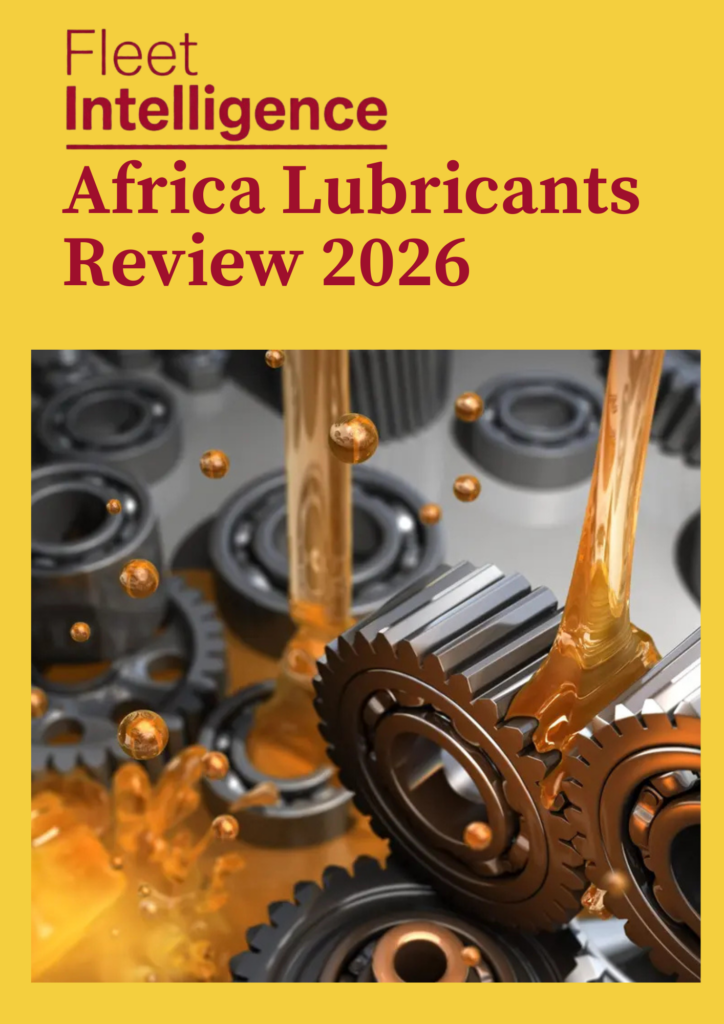
Africa’s lubricants industry is evolving into a critical enabler of the continent’s economic growth, closely tied to transport, power generation, mining, and industrial expansion. This report provides a pan-African view of the market, covering key regions including Nigeria, South Africa, Egypt, Morocco, and East Africa, while mapping the full value chain from base oil refining to blending and distribution.
Demand is being driven by rising vehicle ownership, fleet expansion, and heavy reliance on diesel-powered generation, which remains the largest consumption segment. Growth in construction, mining, and cross-border trade under the African Continental Free Trade Area is further accelerating lubricant usage across freight and industrial corridors.
At the same time, the market is undergoing a gradual quality shift. While Group I base oils still dominate, there is increasing movement toward higher-performance Group II and III oils, supported by advances in additive technology from companies such as Lubrizol, Infineum, Afton Chemical, and Chevron Oronite. The competitive landscape combines global majors and local players. Key challenges include counterfeit products, currency volatility, and fragmented distribution networks, all of which impact quality and pricing consistency across markets.
Looking ahead, the industry is expected to grow alongside Africa’s industrial base, while gradually adapting to trends such as electrification, sustainability, and digital fleet management. Lubricants are increasingly shifting from a basic consumable to a strategic lever for efficiency, cost control, and asset performance.