South Africa · Automotive Manufacturing
Volkswagen celebrates 75th anniversary in South Africa
From the first Beetle built in Uitenhage in 1951 to the Polo, Polo Vivo and the incoming Tengo, Volkswagen’s Kariega plant has become one of the longest-running anchors of South Africa’s automotive manufacturing industry.
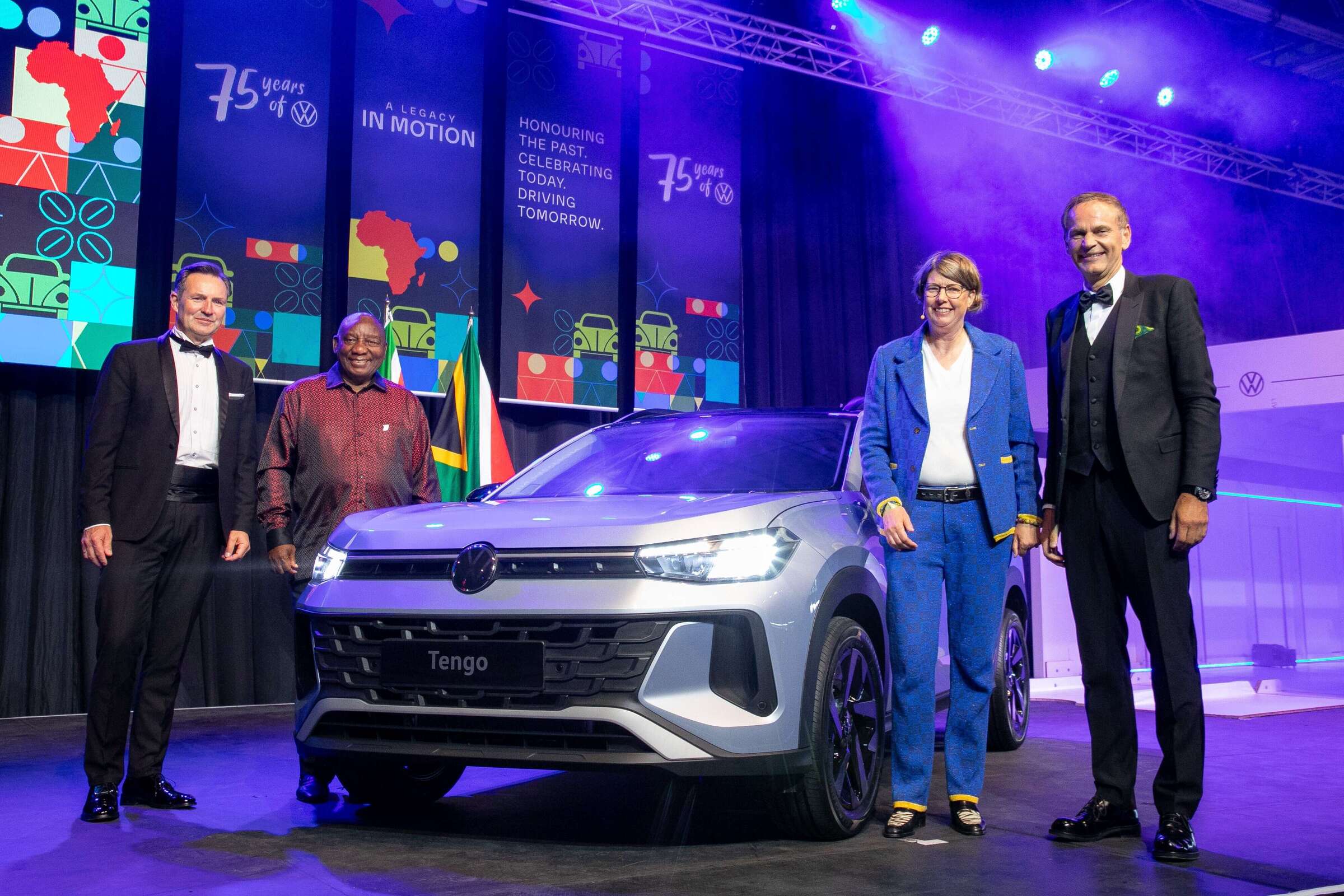
Volkswagen is marking 75 years of vehicle production in South Africa, a manufacturing history that began when the first locally built Beetle left the production line in Uitenhage — now Kariega — on 31 August 1951.
The Eastern Cape plant began life under South African Motor Assemblers and Distributors, or SAMAD, which assembled Volkswagen alongside other marques. Volkswagenwerk acquired a controlling stake in 1956, making the South African operation its first manufacturing plant outside Germany. The business was renamed Volkswagen of South Africa in 1966 and became wholly owned by Volkswagen AG in 1974.
From Beetle and Kombi to Polo and Polo Vivo
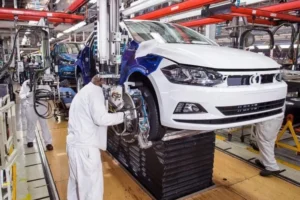
Across the following decades, Plant Kariega became one of the country’s most durable automotive production sites. Nearly 40 models have been manufactured there, including the Beetle, Kombi, Golf, Audi models, Citi Golf, Jetta, Polo and Polo Vivo.
Volkswagen says more than 4.8 million vehicles have been produced at the plant, with more than three million of those built for the South African market. The factory is now the sole global exporter of the Polo and continues to manufacture the Polo Vivo for domestic customers.
The next addition to the line-up is the Volkswagen Tengo, which will become a third locally manufactured model. Its introduction gives the anniversary a forward-looking industrial dimension, extending Kariega’s production mandate beyond the Polo and Polo Vivo.
Kariega as Volkswagen’s African anchor
The company adopted the Volkswagen Group Africa name in 2025 as its regional remit expanded. From Kariega, Volkswagen now coordinates its wider African operations, which include assembly activities in Kenya, Rwanda and Ghana.
That regional role makes the South African factory more than a domestic production facility. It functions as Volkswagen’s principal manufacturing and organisational base on the continent, while also supporting export markets beyond Africa through the Polo programme.
“Our roots run deep in this town and in the Eastern Cape.”
Martina Biene · Chairperson and Managing Director, Volkswagen Group Africa
Biene used the anniversary to emphasise the connection between the company’s long industrial presence in the Eastern Cape and its ambitions for future growth across Africa. She also credited generations of employees, customers, suppliers, dealers, government stakeholders and Volkswagen enthusiasts with shaping the company’s South African history.
People, skills and community investment
Volkswagen’s South African story has also been shaped by labour relations and skills development. During the 1980s, the company trained black artisans despite the wider restrictions of apartheid, while union leaders such as John Gomomo emerged from the workforce and later played a broader role in South African public life.
Since 1994, the company says it has invested roughly R800 million in community projects through the Volkswagen Community Trust and related partnerships. Its interventions have ranged from education and social programmes to emergency support during the Covid-19 pandemic, when Volkswagen contributed facilities and funding to local health responses.
Seventy-five years, and a new production chapter
The anniversary was marked with events in Kariega, including a gala on 31 August and an employee celebration on 1 September. Volkswagen also partnered with Mastertons Coffee and Tea Specialists on a commemorative People’s Blend coffee.
For Volkswagen brand CEO Thomas Schäfer, who previously led the South African business, Kariega’s significance rests on its long-term competitiveness and the strength of the teams that have sustained production there.
“South Africa is far more than a manufacturing base for Volkswagen.”
Thomas Schäfer · CEO, Volkswagen Brand
After 75 years, the significance of the Kariega plant lies not only in the vehicles already produced but in its continuing ability to win manufacturing mandates inside a global automotive group. The arrival of the Tengo, alongside the Polo and Polo Vivo, gives that history a new production chapter and reinforces South Africa’s role in Volkswagen’s African strategy.